CGM sensor comparison: how to choose the right model
Understand the differences between available models and compare wear time, compatibility, alerts and accuracy before choosing.
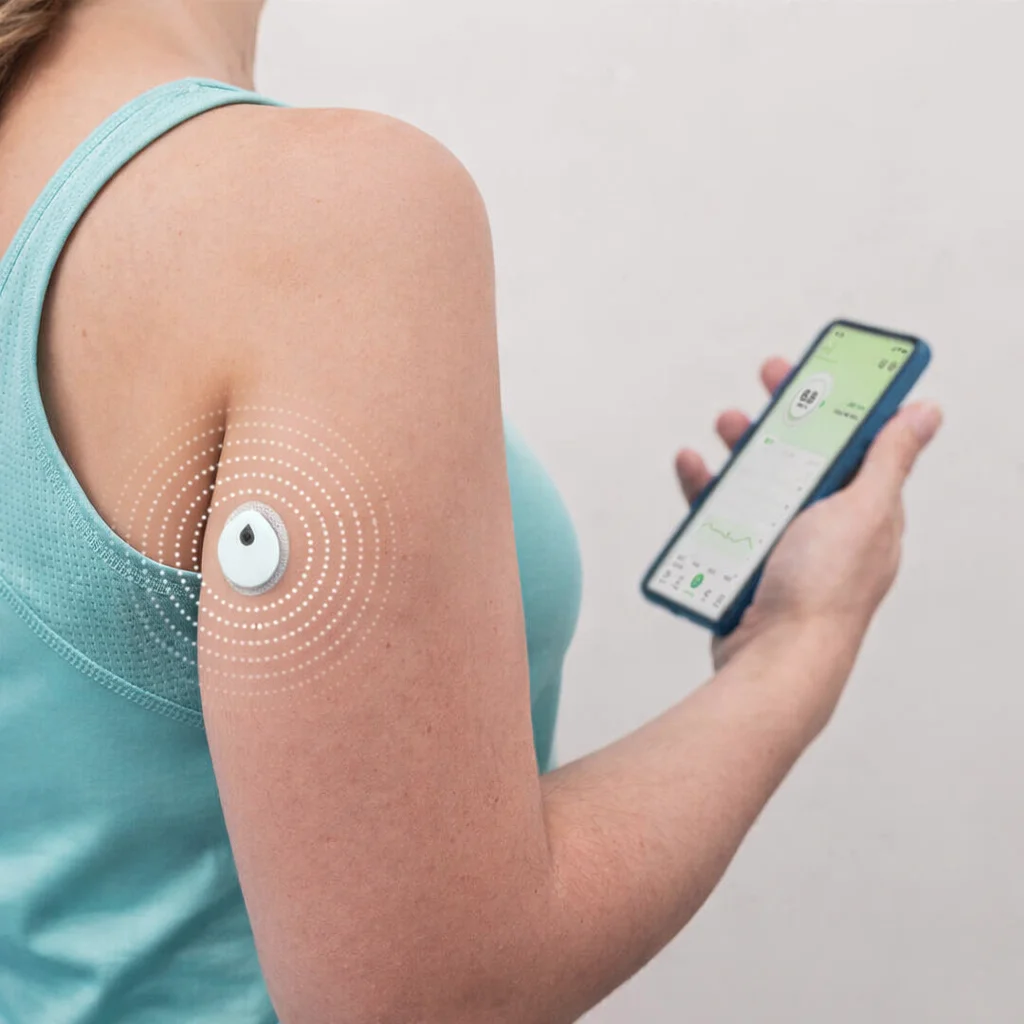
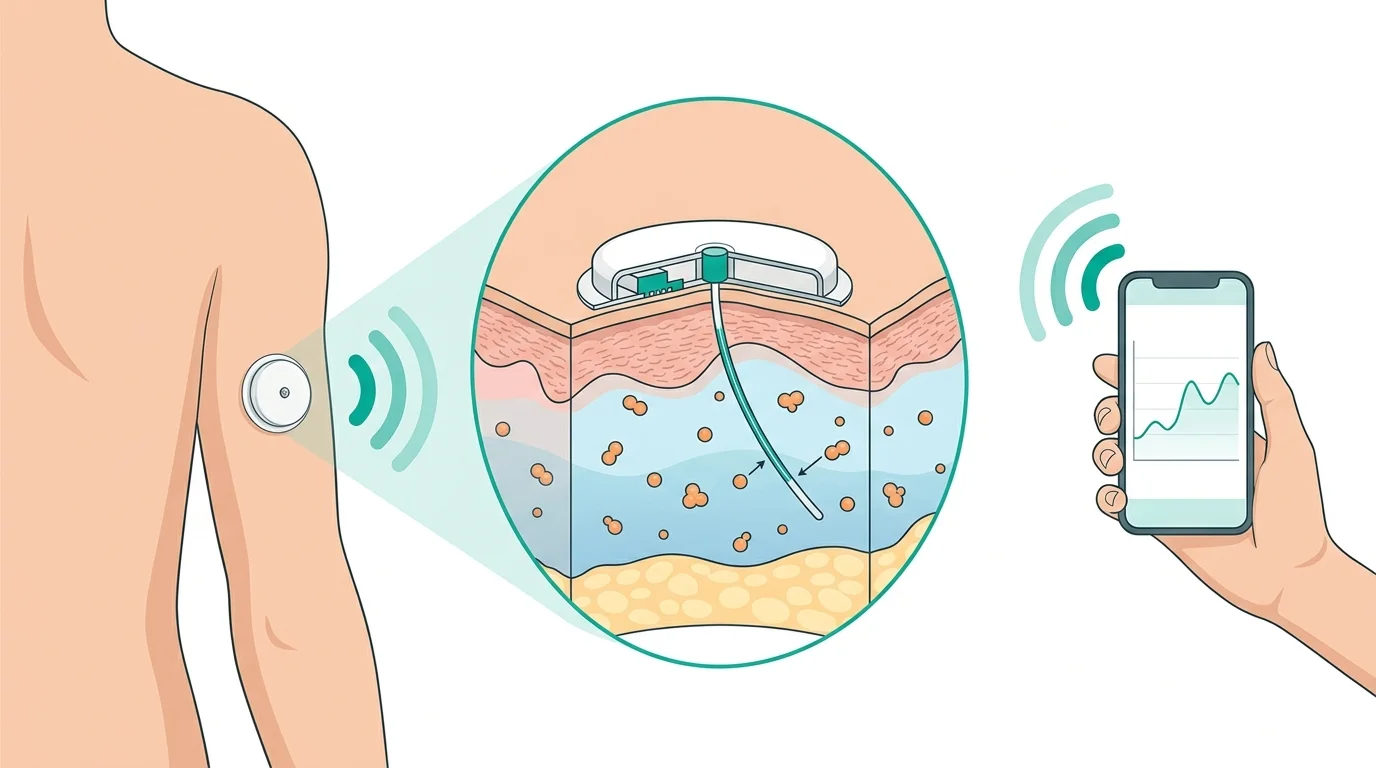
What is a CGM glucose sensor?
A CGM sensor measures glucose in interstitial fluid through a filament inserted under the skin. It can reduce fingerstick testing, but does not eliminate meter checks when the manual requires them or readings do not match symptoms.
Unlike traditional glucometers that provide a single measurement at a point in time, the CGM sensor shows you a complete picture of your blood glucose - with real-time graphs, trends, alerts for values that are too high or too low, and detailed reports you can share with your doctor.
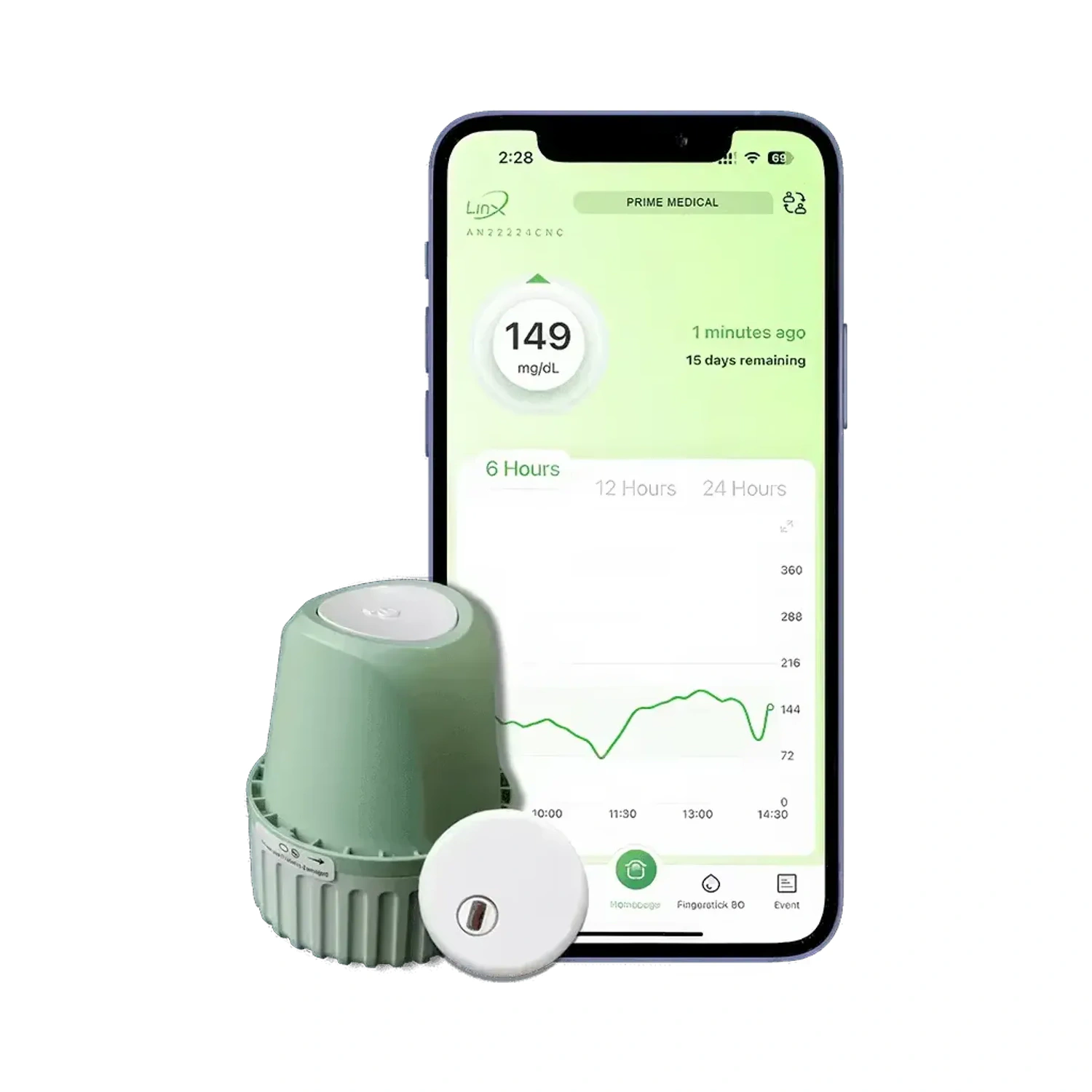
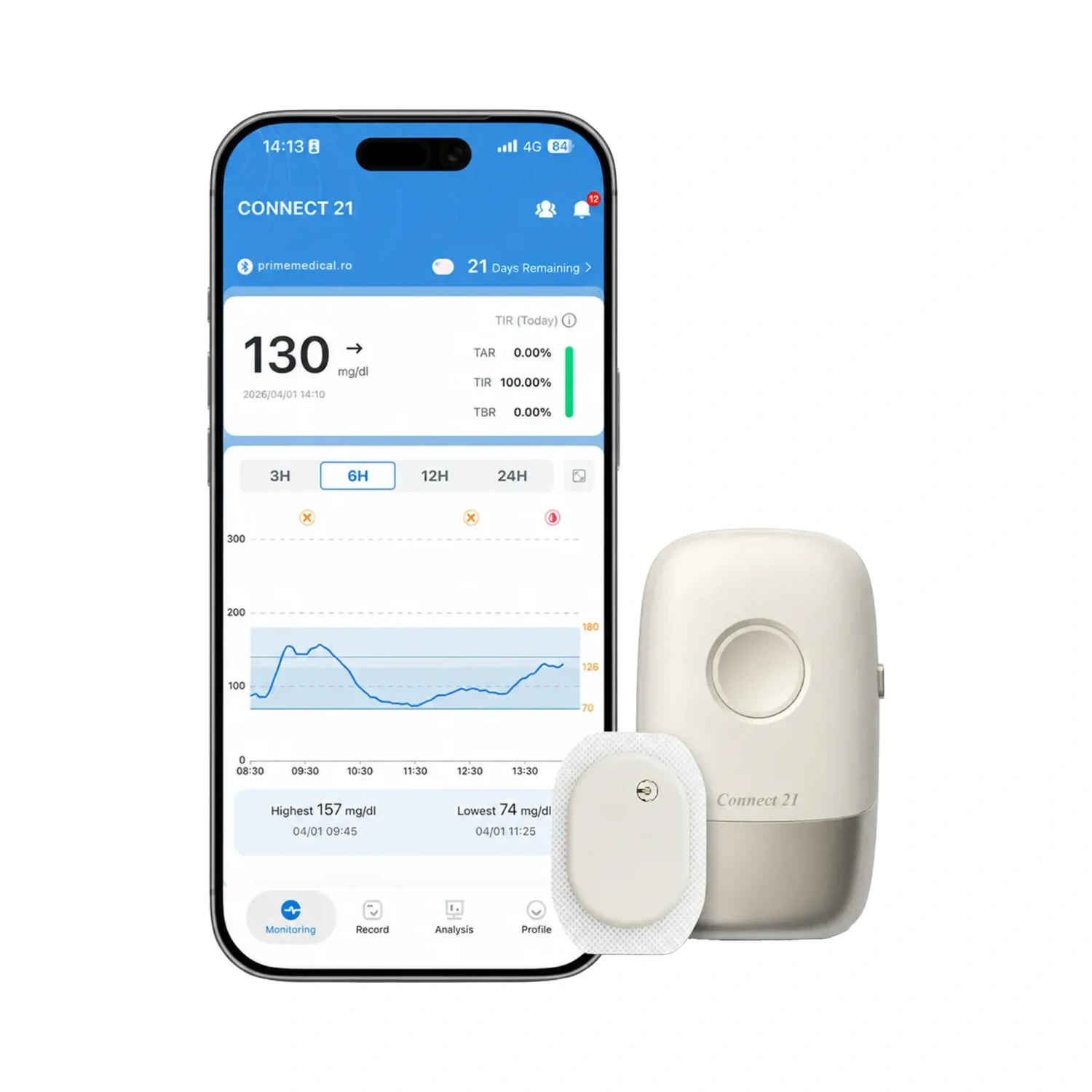
Wear time varies by model: our range includes sensors for 14, 15 or 21 days. Check the wear time, app and phone compatibility on the product page before choosing.
CGM sensor comparison: functions and features
Compare models in one place, then check current prices and stock in the shopping category.
| Product | ||||||
|---|---|---|---|---|---|---|
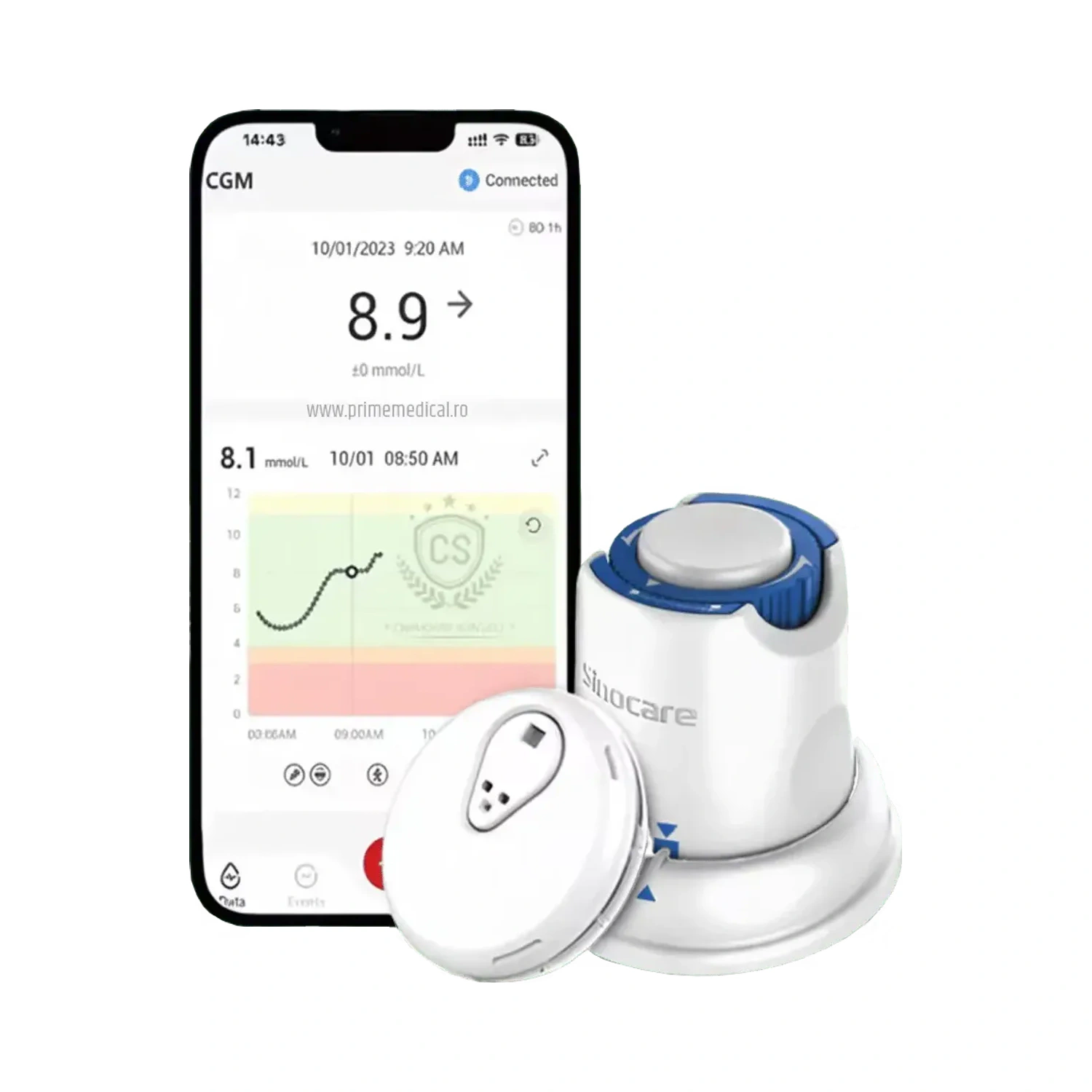
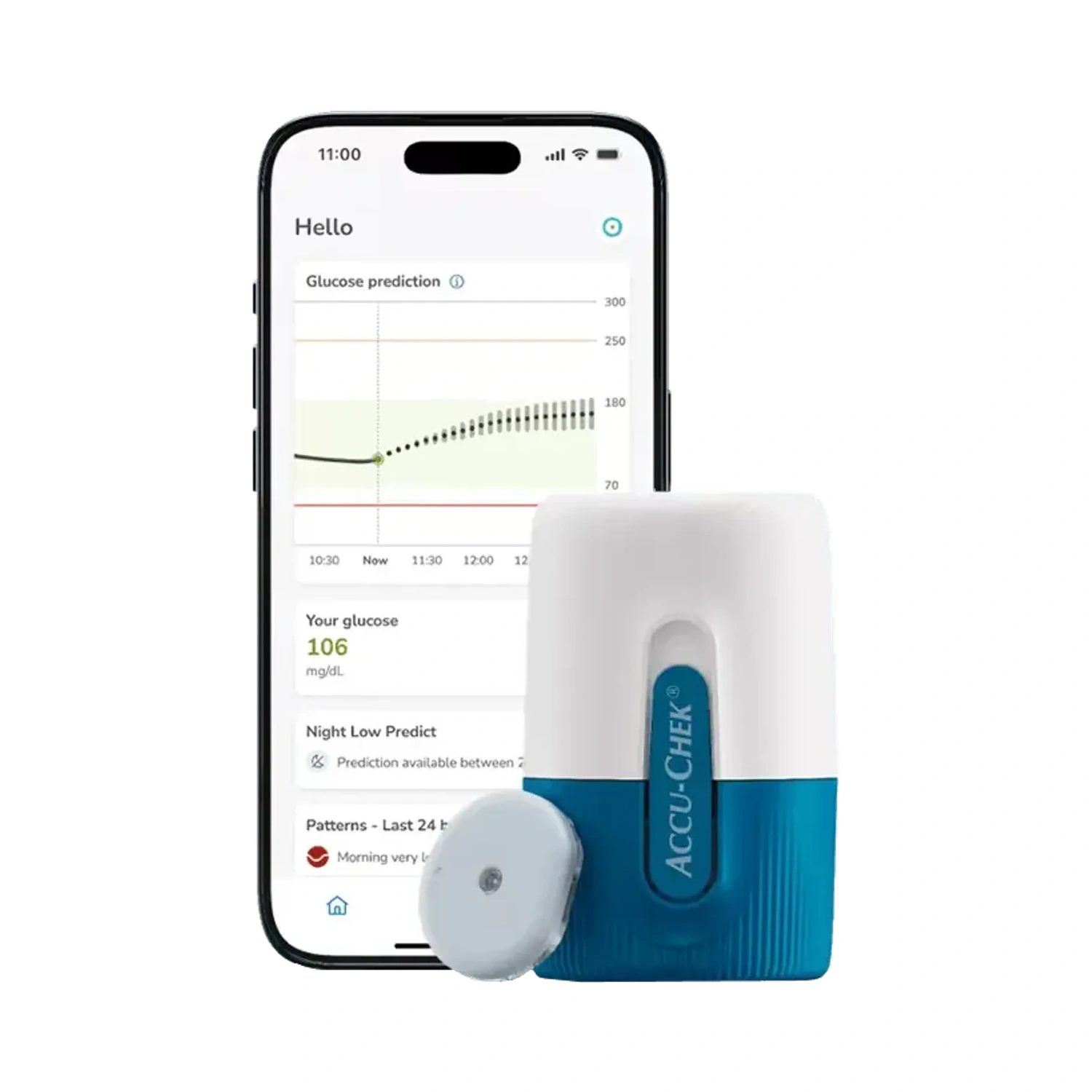
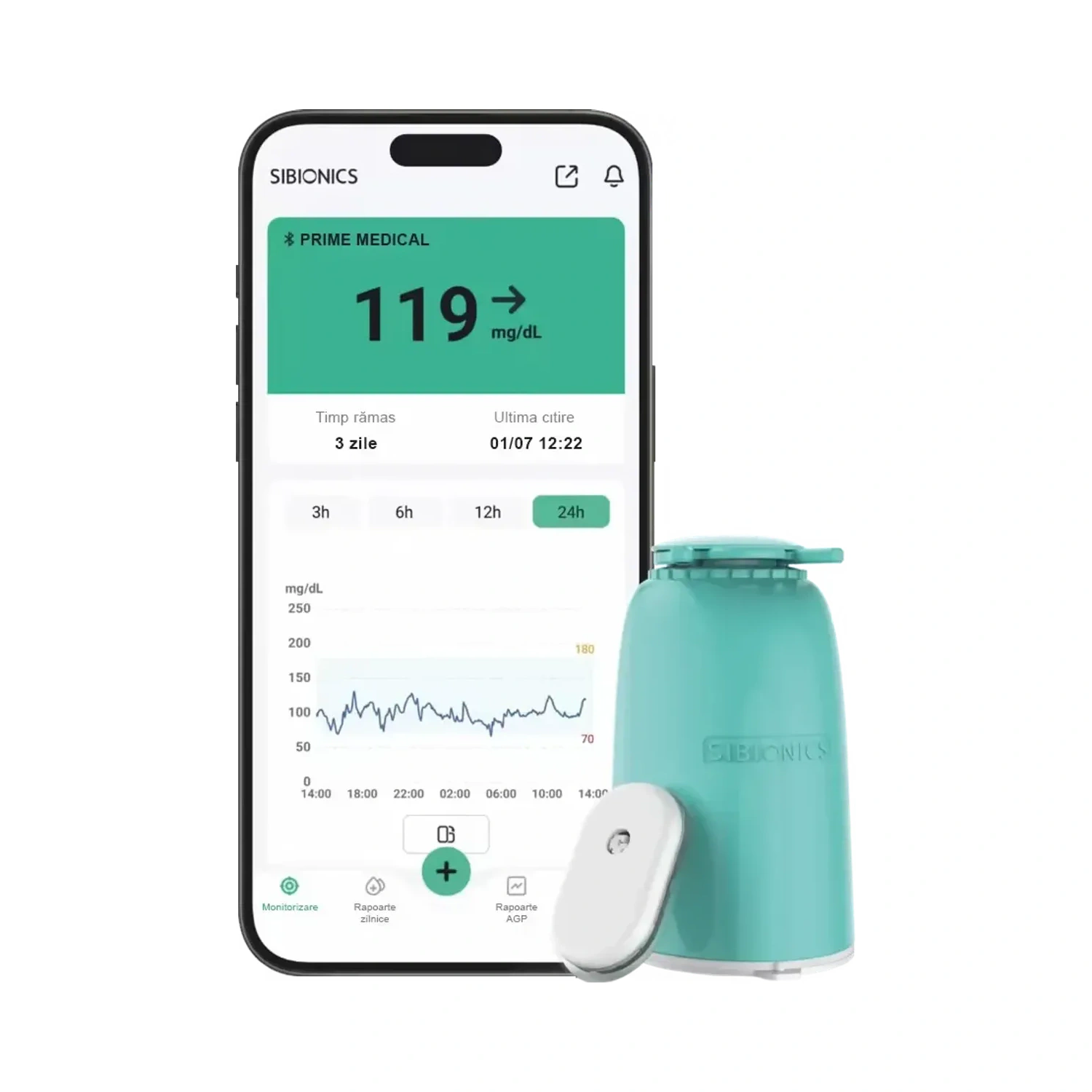
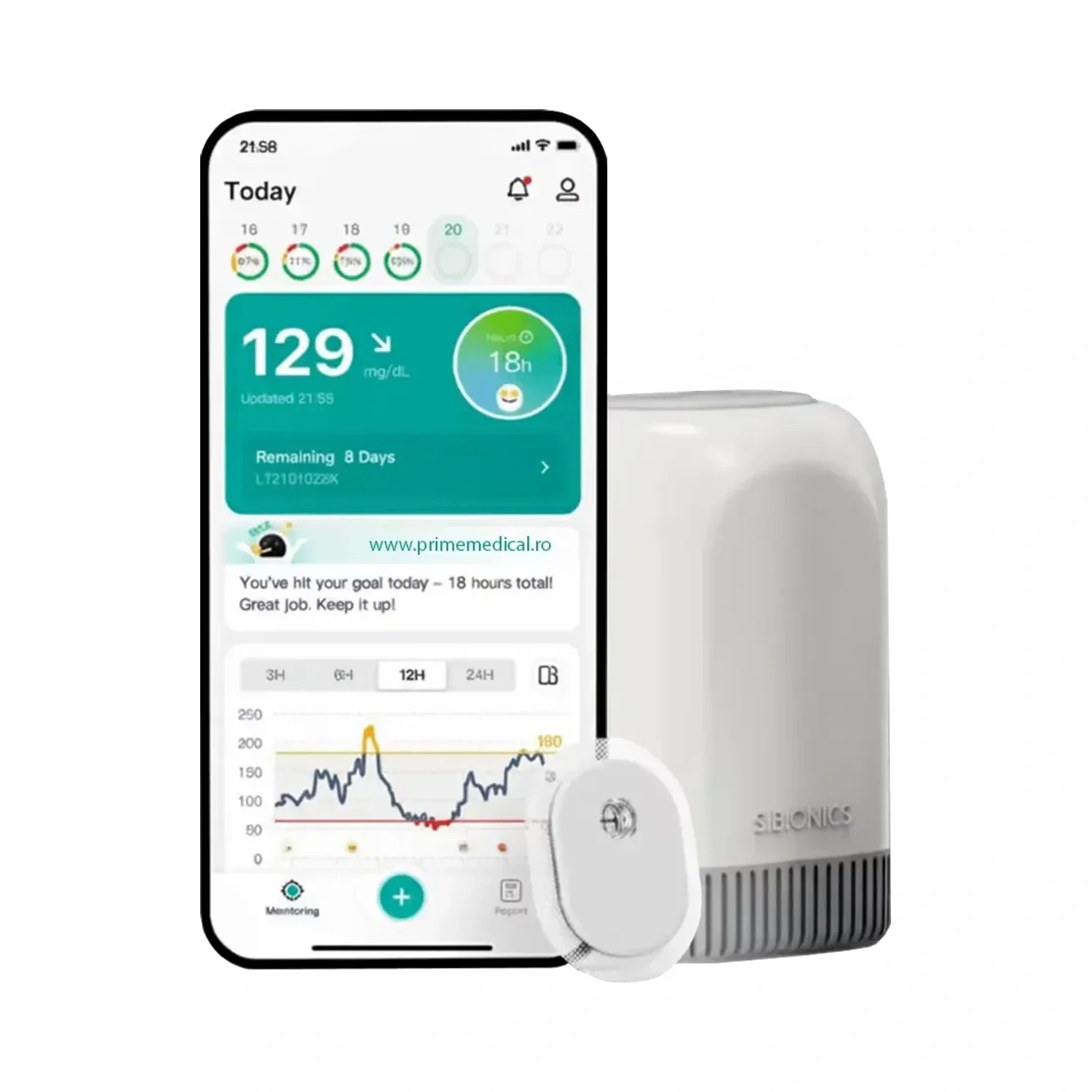
| Brand | MicroTech Medical | Teljane Medical | Sinocare | Roche | Sibionics | Sibionics |
| Rating | ★4.9(37) | — | — | ★5.0(1) | ★5.0(1) | — |
| Wear time | — | — | — | — | — | — |
| Warm-up time | — | — | 120 minutes | — | — | — |
| EU certification | — | — | — | — | — | — |
| Bluetooth connectivity | — | — | — | — | — | — |
| Water resistance | — | — | — | — | — | — |
| Patch | — | — | — | — | — | — |
| MARD | 8.66% | 8,2% | 8.71% | 9.2% | 8.83% | — |
| Dimensions | — | — | — | — | — | — |
| Weight | — | — | — | — | — | — |
| View details | View details | View details | View details | View details | View details |
How to Choose the Right CGM Sensor?
Usage duration
Compare wear time and ongoing cost, not just the price of one sensor. Each model's wear time is shown on its product page.
App compatibility
Check if the sensor is compatible with your phone. Most work with iOS and Android, but some models have specific requirements.
Accuracy, alerts and personal needs
Compare stated accuracy, alert types and data transmission. The right model depends on treatment, phone compatibility and medical advice.
Why Use a Continuous Monitoring Sensor?
Fewer fingerstick tests
Automatic readings reduce the effort of daily monitoring. Keep a meter for necessary checks and, for models that require it, calibration.
24/7 monitoring
You receive real-time blood glucose data, including during sleep. It detects trends and fluctuations that traditional tests miss.
Real-time alerts
Alerts can notify you when glucose crosses configured thresholds. They depend on connectivity, app permissions and phone settings.
Data for your doctor
Automatically generated reports give you a complete picture of blood glucose over days or weeks, facilitating collaboration with your endocrinologist.
How does a sensor subscription work?
A subscription schedules recurring deliveries based on the number of sensors and selected interval. Review the available options before deciding whether it suits you.
See how it works
Dr. Daniela Petrache
Medical Specialist
This guide is based on product documentation and is informational. Documentary checks do not replace medical assessment. Follow the manual for the supplied version and your care team's advice.
Features and indications differ between models. Choose the sensor together with a medical professional when the data is used for treatment decisions.
Sources: MicroTech Medical — LinX, Roche — Accu-Chek SmartGuide, Sinocare — iCan i3, SIBIONICS — GS1
Frequently Asked Questions
How long does a CGM sensor last?
Maximum wear time is 15 days for LinX and iCan i3, 21 days for Connect 21, and 14 days for GS1 and Accu-Chek SmartGuide. Follow the instructions for your model.
Does the CGM sensor require finger pricks?
The applicator inserts a filament under the skin; discomfort varies. CGM can reduce fingerstick tests, but meter checks remain necessary in the situations described in the manual. SmartGuide also requires calibration.
Which CGM sensor is the best?
No model suits everyone. Compare age indications, phone compatibility, wear duration, alerts and calibration requirements. Discuss your choice with your healthcare professional; product order is not a clinical ranking.
Can I use a CGM sensor for children?
Only when the supplied model and version are indicated for the child's age. Age limits and application sites vary; check the manual and the care team's advice rather than assuming every CGM is suitable for children.
How does continuous glucose monitoring work?
A small sensor is applied to the arm or abdomen. It measures glucose levels every 1-5 minutes and transmits data wirelessly to a phone app.
Is the CGM sensor waterproof?
Ratings and limits differ by model. Check immersion depth, duration and permitted activities in the sensor manual; an IP rating does not mean unlimited water resistance.
Do I need a prescription for a CGM sensor?
No, CGM sensors can be purchased without a prescription in Romania. They are personal-use medical devices.
What is the difference between a CGM sensor and a traditional glucometer?
A traditional glucometer measures blood sugar at a single point, requiring a blood drop. A CGM sensor monitors continuously, providing graphs, trends, and automatic alerts.
Have you found the right model?
See available products, current prices and stock in the dedicated shopping category.
View products, prices and stock