CGM and sports - the invisible ally of the athlete with diabetes
Physical exercise is one of the most powerful "medicines" for diabetes. It reduces blood sugar, improves insulin sensitivity, protects the heart and improves mood. But for a person with diabetes, sports comes with specific challenges: hypoglycemia during or after exercise, reactive hyperglycemia, difficulty balancing nutrition, insulin and exercise intensity.
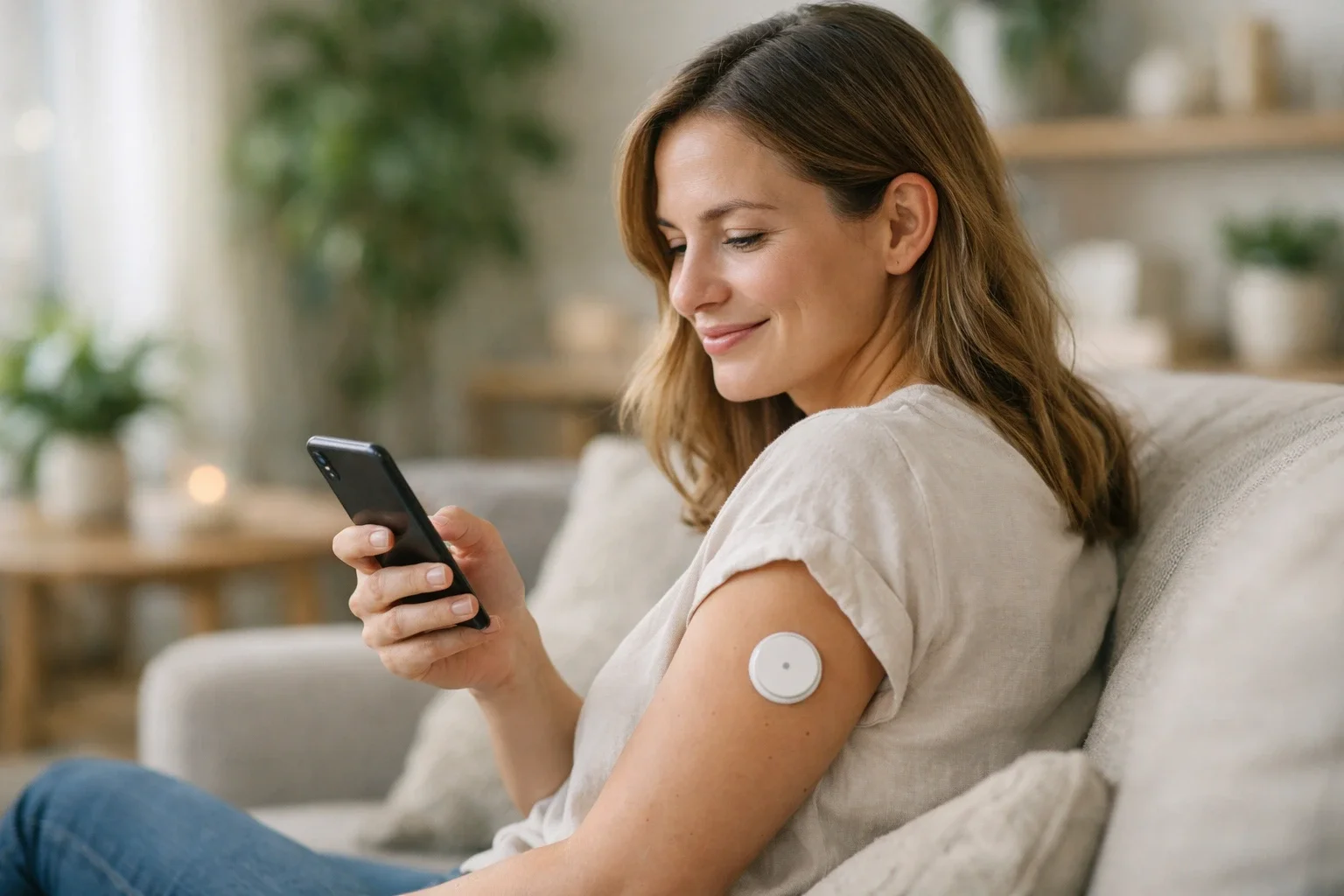
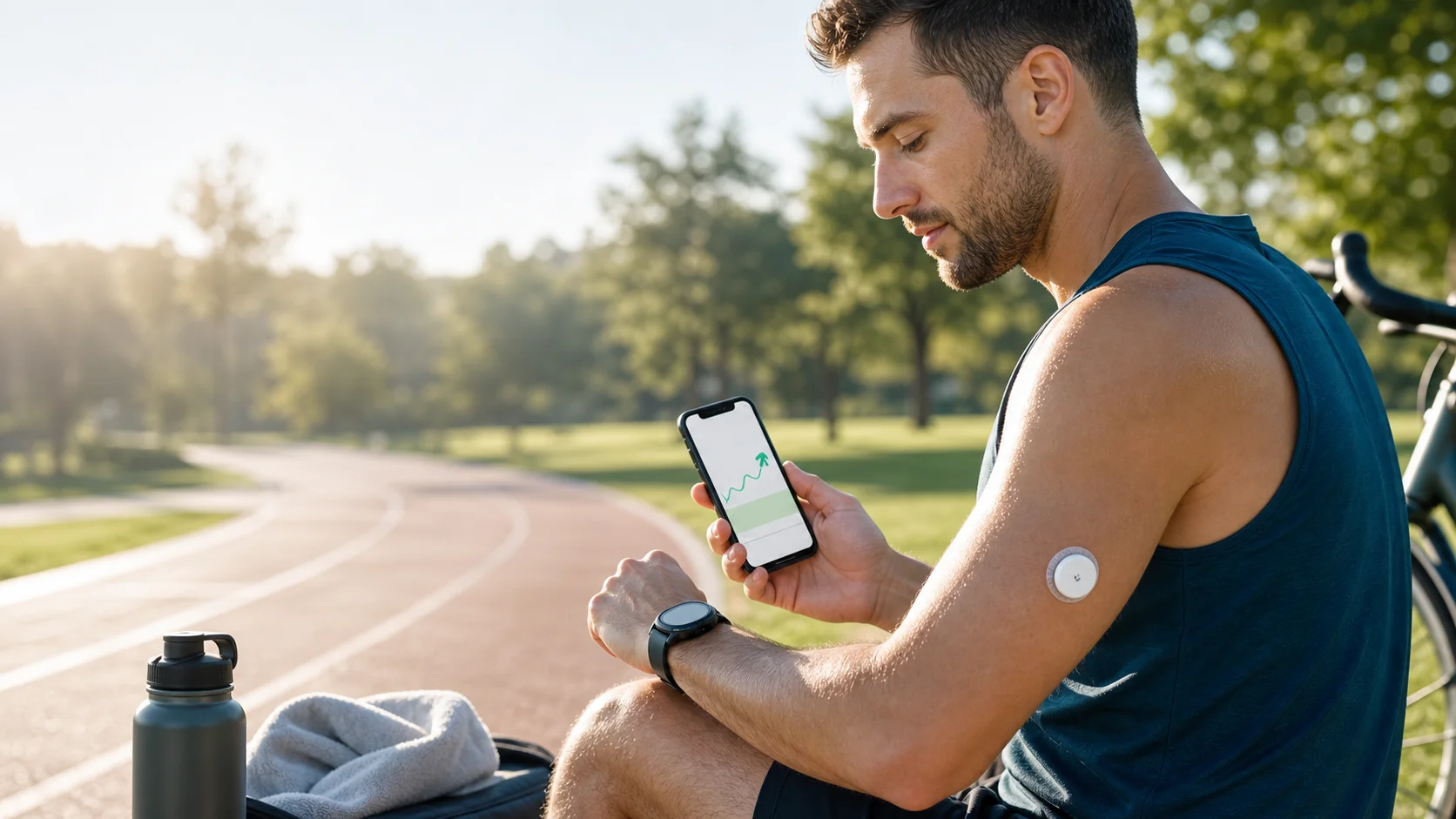
A CGM sensor for sports can help show readings and trends during activity. The information supports a care plan, but connection and accuracy have limits, especially during rapid glucose changes. CGM does not guarantee a workout without hypoglycaemia or replace every meter check.
How physical exercise affects blood sugar
Before discussing CGM, you need to understand how sports influence blood sugar - because it's more complex than it seems.
Aerobic exercise (endurance)
Running, cycling, swimming, walking - these moderate-intensity activities lower blood sugar. Active muscles absorb glucose from the blood for energy, even without additional insulin. The effect can last 24-48 hours after exercise (increased post-exercise insulin sensitivity).
Main risk: hypoglycemia - both during exercise and hours later (including at night). This is the most common reason why people with diabetes avoid sports or do it with fear.
Anaerobic exercise (high intensity)
Sprints, weight lifting, HIIT - these high-intensity activities can, paradoxically, INCREASE blood sugar temporarily. Stress hormones (adrenaline, cortisol) stimulate the liver to release glucose, and production exceeds muscle consumption.
The response may include a temporary rise, with or without a later fall. Its timing and size depend on activity, insulin, food and the person’s condition; do not assume every high reading resolves itself within 30–60 minutes.
Mixed exercise
Most sports (football, tennis, crossfit, hiking) combine aerobic and anaerobic elements. The effect on blood sugar is unpredictable without monitoring - sometimes it drops, sometimes it rises, sometimes it does both.
How CGM can help athletes with diabetes
Real-time visibility
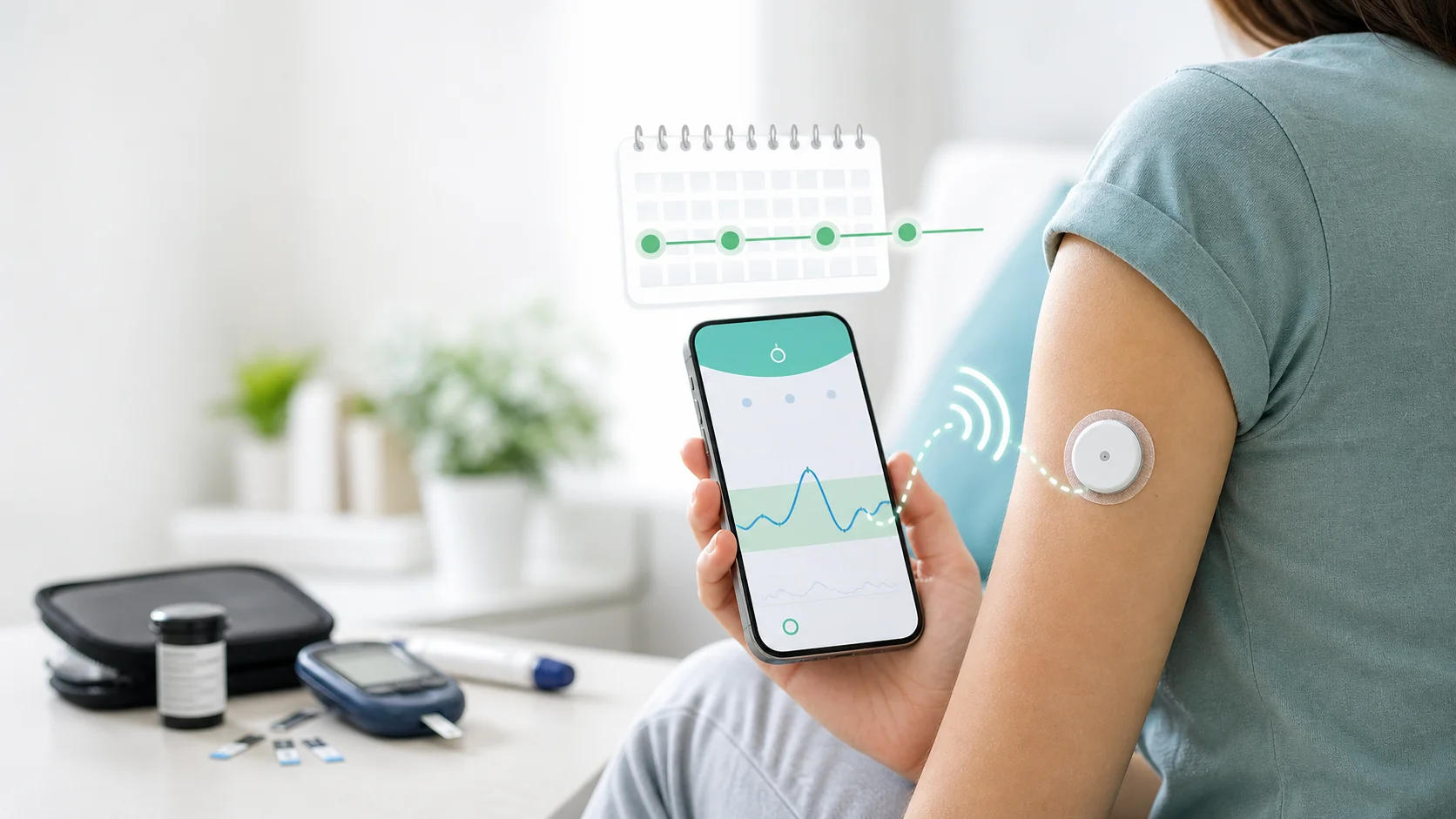
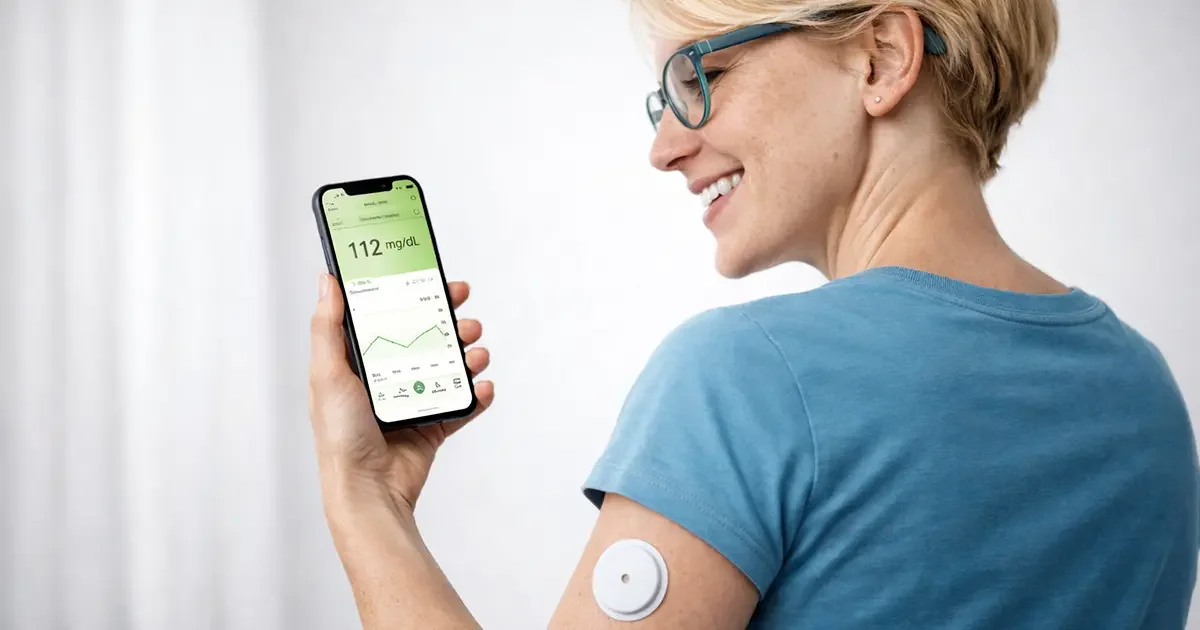
A CGM sensor displays trends on a compatible device, but you may still need to stop for a meter check. Interstitial and blood glucose can differ during rapid changes.
Read the number alongside the trend arrow, symptoms and context. The same value may need different responses depending on active insulin, food and exercise. Agree in advance when to stop, check and seek help.
Safety alarms
Shaking, sweating and dizziness during sport can have several explanations, including hypoglycaemia. CGM alerts provide additional information but are not infallible and may be unavailable if the device or connection fails.
Check settings before activity and do not dismiss symptoms because the phone did not sound. Alert responses and additional checks belong in the individual care plan.
Learning and optimization
Record activity type, duration and intensity, meals and the context of readings. Compare several sessions: one curve does not prove the exact effect of a sport.
Discuss patterns with your clinician. Food or insulin adjustments may be needed, but should not come from copying an example or a universal formula for glucose reduction.
Practical guide: Sports with CGM sensor
Before workout
Check the reading, trend and how you feel. Consider active insulin, the last meal and planned activity. Agree starting thresholds, carbohydrate intake and treatment adjustments with the healthcare team.
Prepare supplies: a charged phone or receiver, meter and strips, prescribed hypoglycaemia treatment and a way to ask for help. Check sensor fixation without pressing on it.
If you have symptoms, hypoglycaemia or suspected insulin deficiency with ketones, pause and follow your care plan. Do not use exercise to correct feeling unwell or elevated ketones.
During workout
Checks during activity depend on duration, intensity, insulin and individual risk. A glance at a watch is not always enough. Stop safely if symptoms or concerning readings occur and follow the checking and treatment steps in your care plan.
Always have fast glucose on hand - glucose tablets, energy gel or fruit juice. It doesn't matter how short the workout is - hypoglycemia can occur unexpectedly.
Inform your training partner - if you exercise with someone, tell them about the sensor and what to do if they notice signs of hypoglycemia in you.
After workout
Continue checks after activity. A low may be delayed, including until the following night. Agree monitoring duration and responses to repeated episodes with your clinician; a fixed 2–4-hour window does not cover every situation.
Plan for the night after exercise. Check the connection and alerts agreed in the care plan. Do not automatically change thresholds or insulin, or add a snack according to a generic protocol; the decision depends on the person and activity.
Analyze the data - after workout, look at the CGM graph. What happened? When did blood sugar start to drop? How long did the effect last? These observations help you plan better next time.
CGM for specific types of sports
Running and cycling
Endurance activities require planning food, insulin and checks, especially as duration increases. CGM can help reveal trends without eliminating hypoglycaemia risk.
For long routes, carry backup supplies and agree a plan with a training partner. Carbohydrate amounts and timing depend on activity and the personal plan, not one mandatory schedule for every race.
Team sports (football, basketball, tennis)
Changing intensity can make the glucose response harder to anticipate. Check phone, watch and app compatibility and how alerts are received; do not assume direct transmission from a sensor to any watch.
For Accu-Chek SmartGuide and other models, follow the manufacturer’s permitted setup. Take breaks needed for checks and protect the sensor as instructed without pressure or moving it to an unapproved site.
Swimming
Swimming conditions differ between models. Check depth, duration and other limits in the sensor instructions; an IP rating does not permit unlimited immersion. Water can interrupt the phone connection, so do not assume real-time readings and alerts remain available underwater. Agree checking and activity plans with your healthcare professional.
Gym / Weight lifting
High-intensity activity can temporarily raise glucose, but a high reading should not automatically be ignored. Interpret the value, trend, symptoms and context under your care plan.
Do not make aggressive insulin corrections based on an online example: a delayed low may follow. If readings persist or you feel unwell, stop and seek the advice or help specified in the plan.
Securing the CGM sensor during sports
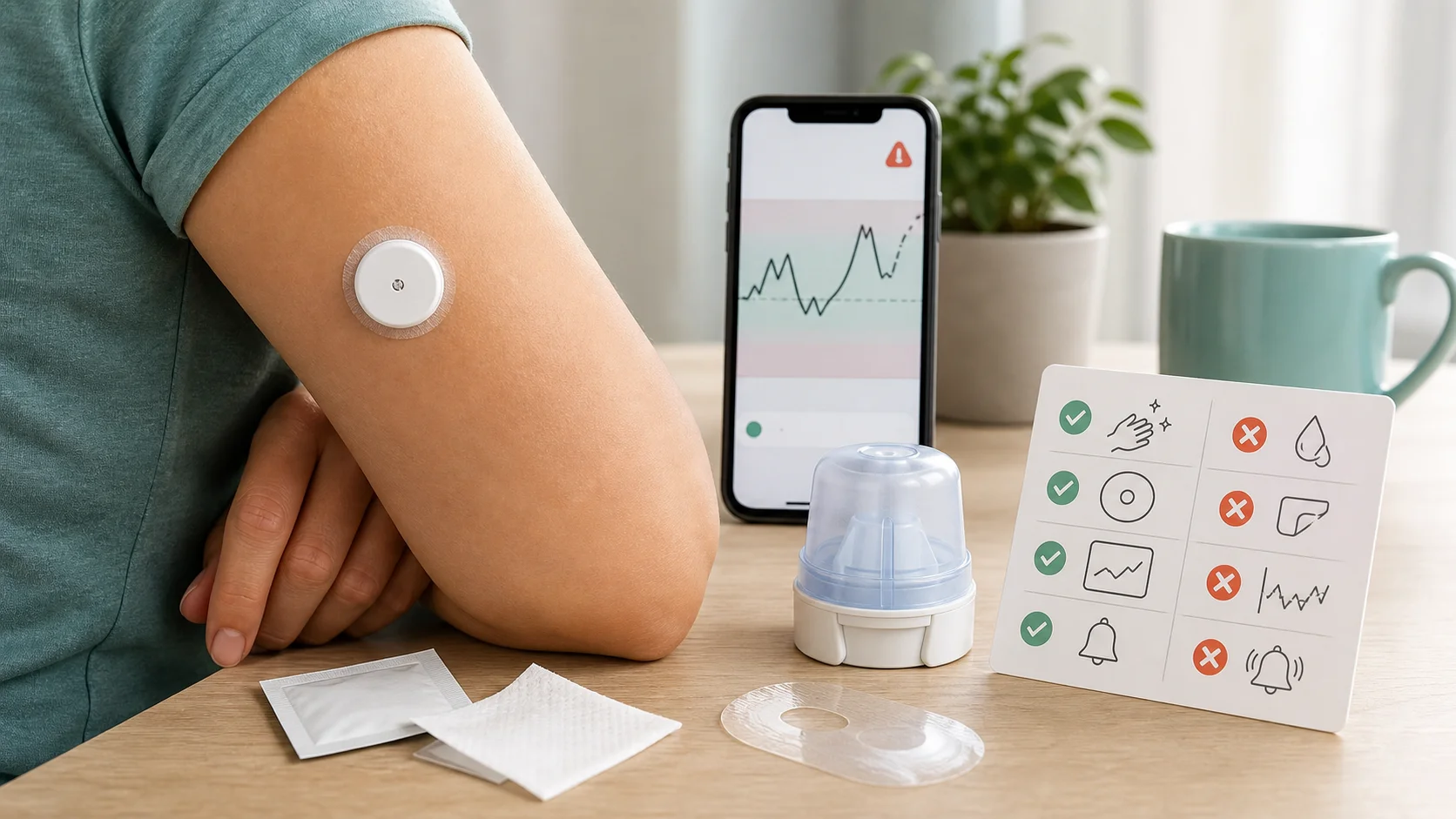
Sweat, friction and contact can affect adhesion. Prepare skin and allow cleaning products to dry as instructed. Use patches and accessories compatible with the sensor and your skin.
A sleeve should not press on the sensor, and a patch should not cover areas the manufacturer requires to remain clear. Extra adhesives can irritate skin; stop using them and seek advice if a reaction occurs.
A sport does not justify moving the sensor to the abdomen, buttock or another unapproved site. Choose from permitted sites and discuss an alternative device if none fits the activity.
CGM for athletes WITHOUT diabetes
CGM is also used in some research and lifestyle-monitoring settings. This does not establish that every sensor sold here is indicated for people without diabetes or that wearing it improves sports performance.
Check the product’s intended use and discuss the monitoring goal with a qualified professional. A graph alone does not determine optimal nutrition or replace a health assessment.
What to bring to the consultation
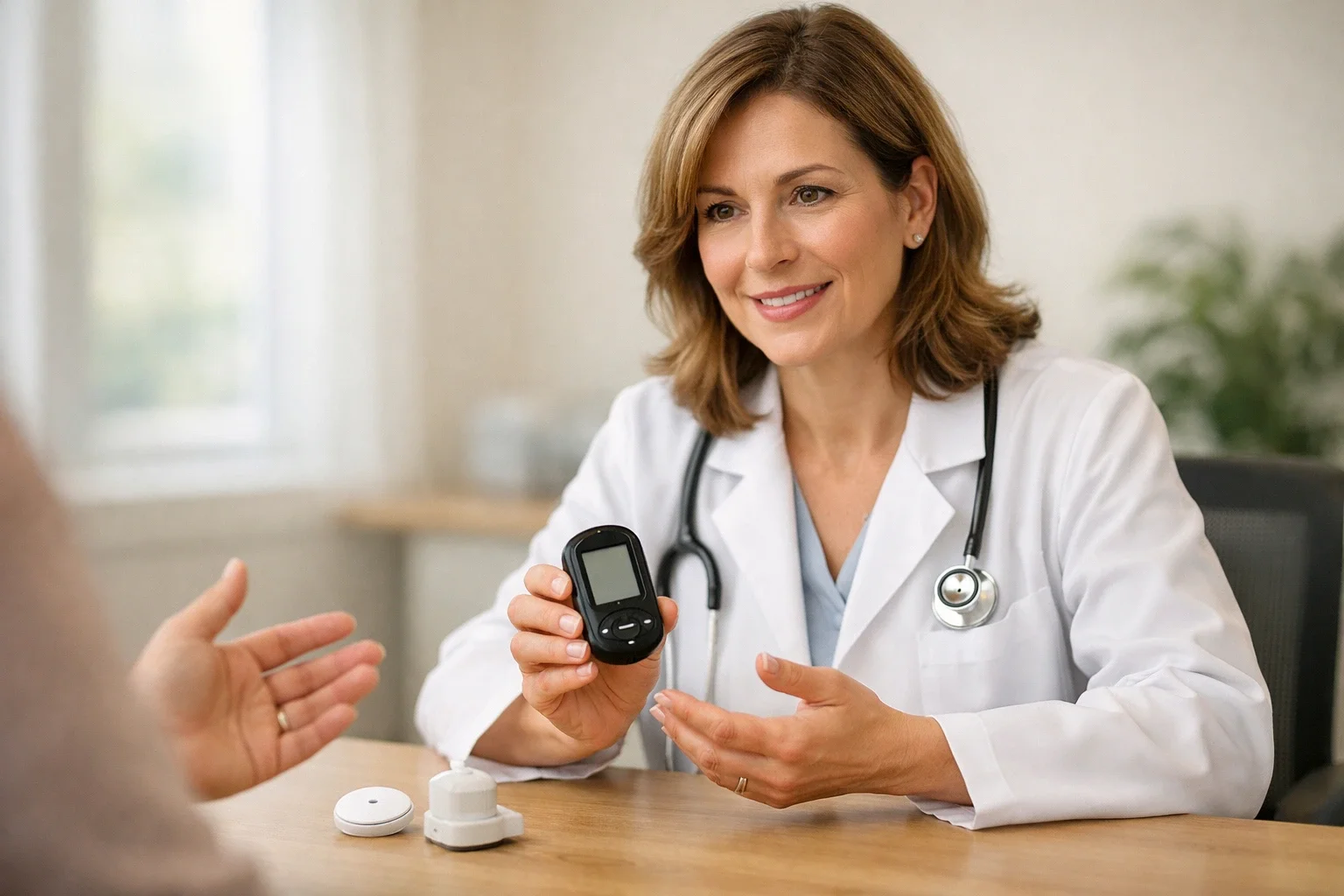
An activity log can make a clinic discussion more useful: when exercise started, what was eaten, any symptoms and what the sensor showed before and afterwards. The clinician can assess this alongside treatment and personal history.
Useful questions include whether lows recur, alerts were received and checks could be performed safely. For device operation, see the continuous-monitoring guide. Another person’s results do not guarantee the same experience.
Training plan with CGM - practical example
A useful plan defines actions before, during and after exercise. Build it with the healthcare team around treatment, activity type and previous experience. This checklist organizes preparation without prescribing doses or thresholds.
Before: check devices, supplies, readings and trends. Confirm that the starting conditions in your personal plan are met and that you have a way to request help.
During: keep the device accessible and perform agreed checks. Do not continue through symptoms simply because the graph looks reassuring. Stop somewhere safe when needed.
After: record what happened and continue checks for the agreed period. Allow for delayed risk, including overnight; it does not necessarily end when the workout does.
At review: show your clinician the report and log. If the plan does not fit real situations, ask for adjustments before the next demanding session. CGM supports planning; it does not guarantee freedom from incidents.