Continuous glucose monitoring without finger pricks - how is it possible?
If you have diabetes, you probably know the routine: several times a day, you need to prick your finger, put a drop of blood on a test strip, and wait a few seconds for the result. It's a necessary ritual, but painful and inconvenient. Continuous glucose monitoring without finger pricks offers an alternative that fundamentally changes this experience.
“Without finger pricks” refers to reducing repeated finger-stick tests, not a completely non-invasive device. The applicator inserts a filament beneath the skin; wear duration and meter-check requirements depend on the model.
How continuous monitoring without finger pricks works
It's natural to wonder: if blood isn't drawn, how is glucose measured? The answer is elegant from a scientific perspective.
Interstitial glucose - the key to the technology
CGM estimates glucose in interstitial fluid. It follows blood glucose changes with a variable lag, which can matter during rapid rises or falls.
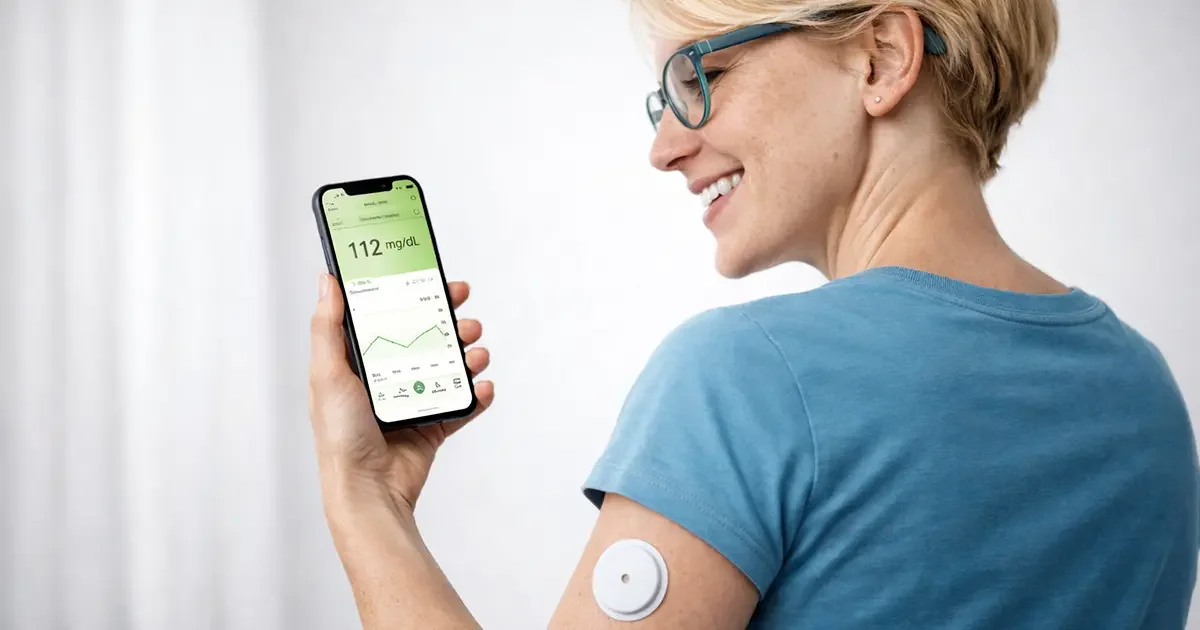
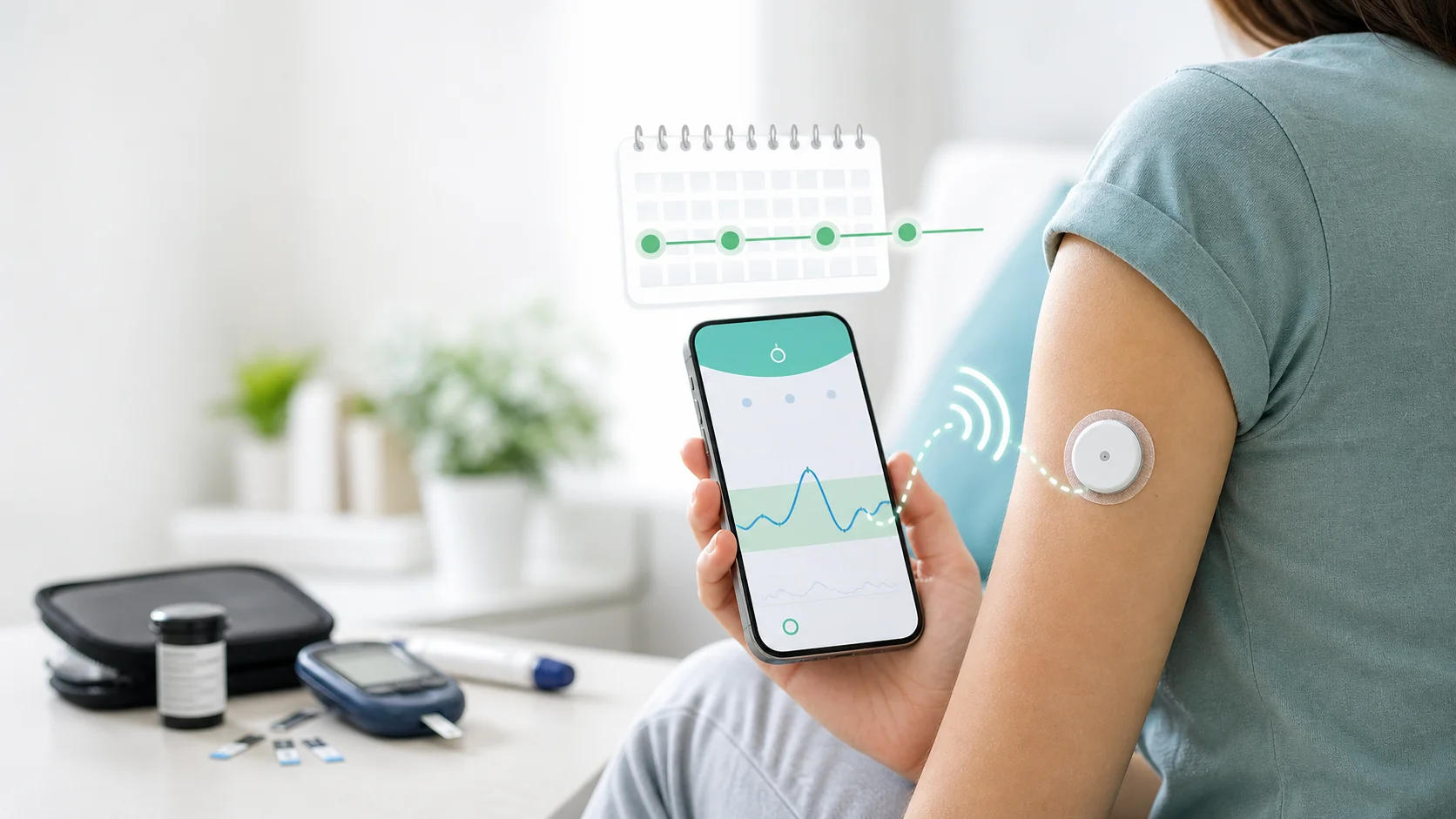
A thin filament reaches the tissue beneath the skin, and the sensor converts its detected signal into a glucose estimate. Filament dimensions and the exact technology vary between devices.
The process is completely automatic - the sensor "reads" blood glucose every 1-5 minutes, generating between 288 and 1440 measurements per day. Compare that to 4-8 classic glucometer tests. The difference in information is colossal.
Application - the only moment of "contact"
Insertion places the filament beneath the skin and may cause pressure, a prick or discomfort. Replacement follows the model’s wear period, such as 15 days for LinX and iCan i3 or 21 days for Connect 21.
Adhesive holds the sensor on the skin but may cause irritation. Showering, swimming and sport are possible only within the manufacturer’s water, temperature and activity limits.
What continuous monitoring adds to classic testing
The complete picture vs. isolated points
A classic glucometer gives you a value at a specific moment - like a photograph. But blood glucose doesn't stay in place. Between the 4-8 tests per day, things happen that you don't see: hyperglycemic spikes after meals, dangerous nighttime drops, fluctuations related to stress or physical exercise.
Continuous monitoring provides more observations between manual tests. Trends can support treatment review, but do not capture every change without error or guarantee prevention of complications.
Predictive alarms - prevention, not reaction
Alert functions differ: some warn when a threshold is reached, while certain systems also offer predictions. Do not assume every sensor predicts hypoglycaemia; check the model, app and settings.
Alerts can be especially useful overnight and for people who do not feel hypoglycaemia symptoms. They depend on system operation and do not replace a low-glucose action plan.
Trends and arrows - additional context
Arrows indicate the direction and estimated rate of change. Read the app manual for symbols and rate ranges, which are not identical across systems.
For example, 90 mg/dL with a stable trend and 90 mg/dL while falling have different contexts. The arrow alone does not determine whether to eat or change insulin: symptoms, active insulin, activity and the individual plan matter.
Continuous monitoring options available in Romania 2026
The CGM sensor market has diversified significantly in recent years. Here are the main options available in Romania:
CGM sensors with real-time reading
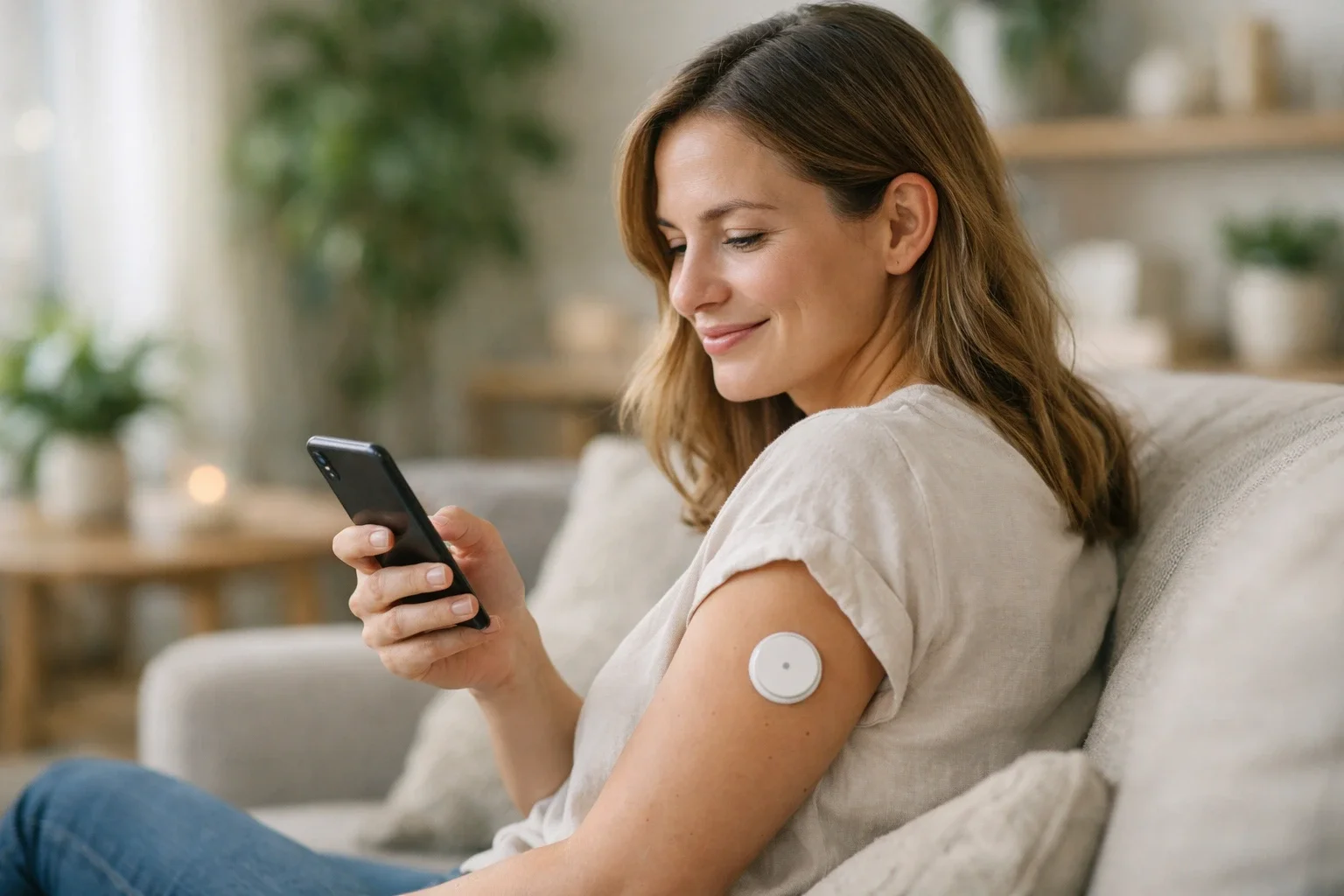
These sensors automatically transmit data to your phone without needing to scan. They display real-time values, alarms, and trends. They are ideal for people with type 1 diabetes or at increased risk of hypoglycemia.
The Sibionics GS1 sensor is an excellent example of an affordable CGM sensor with real-time monitoring and configurable alarms.
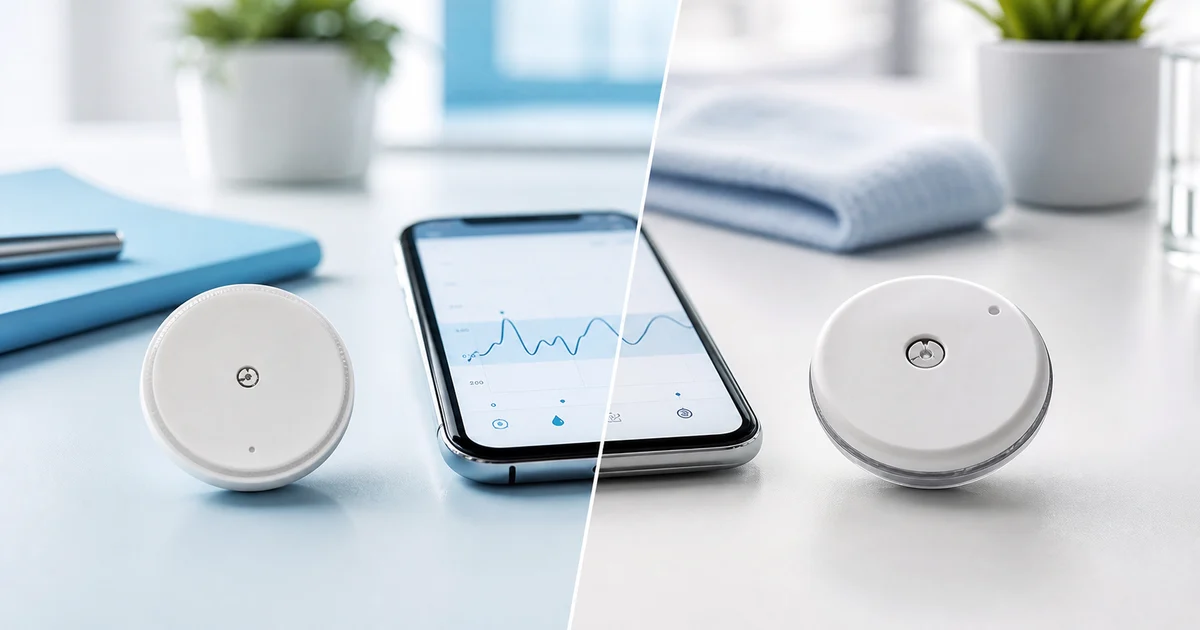
CGM sensors with scanning (Flash)
For scanned models, display and history retention depend on the generation and app. Check the exact model’s scanning frequency and alerts.
Non-invasive CGM sensors - the future
Filament-free methods are also being researched. Do not confuse a watch or ring’s marketing claim with a validated glucose-measuring device. FDA warns against watches and rings claiming their own non-invasive glucose measurement without authorisation; this US warning does not establish the status of every product in Romania.
Who benefits most from continuous monitoring
CGM usefulness depends on treatment, hypoglycaemia risk and ability to use the device. The following situations merit discussion with your care team:
People with unrecognized hypoglycemia - they no longer feel the classic symptoms of hypoglycemia (tremor, sweating, dizziness). CGM alarms can be life-saving.
Children with type 1 diabetes - choose a device indicated for the child’s age with the paediatric team. Further context in our article about what a glucose sensor is and how it works.
Diabetes in pregnancy - the care team sets targets and assesses CGM usefulness; evidence differs for type 1, type 2 and gestational diabetes. Check the model’s pregnancy indication too.
People with high glucose variability - those whose blood glucose is a "roller coaster" - up-down-up-down throughout the day.
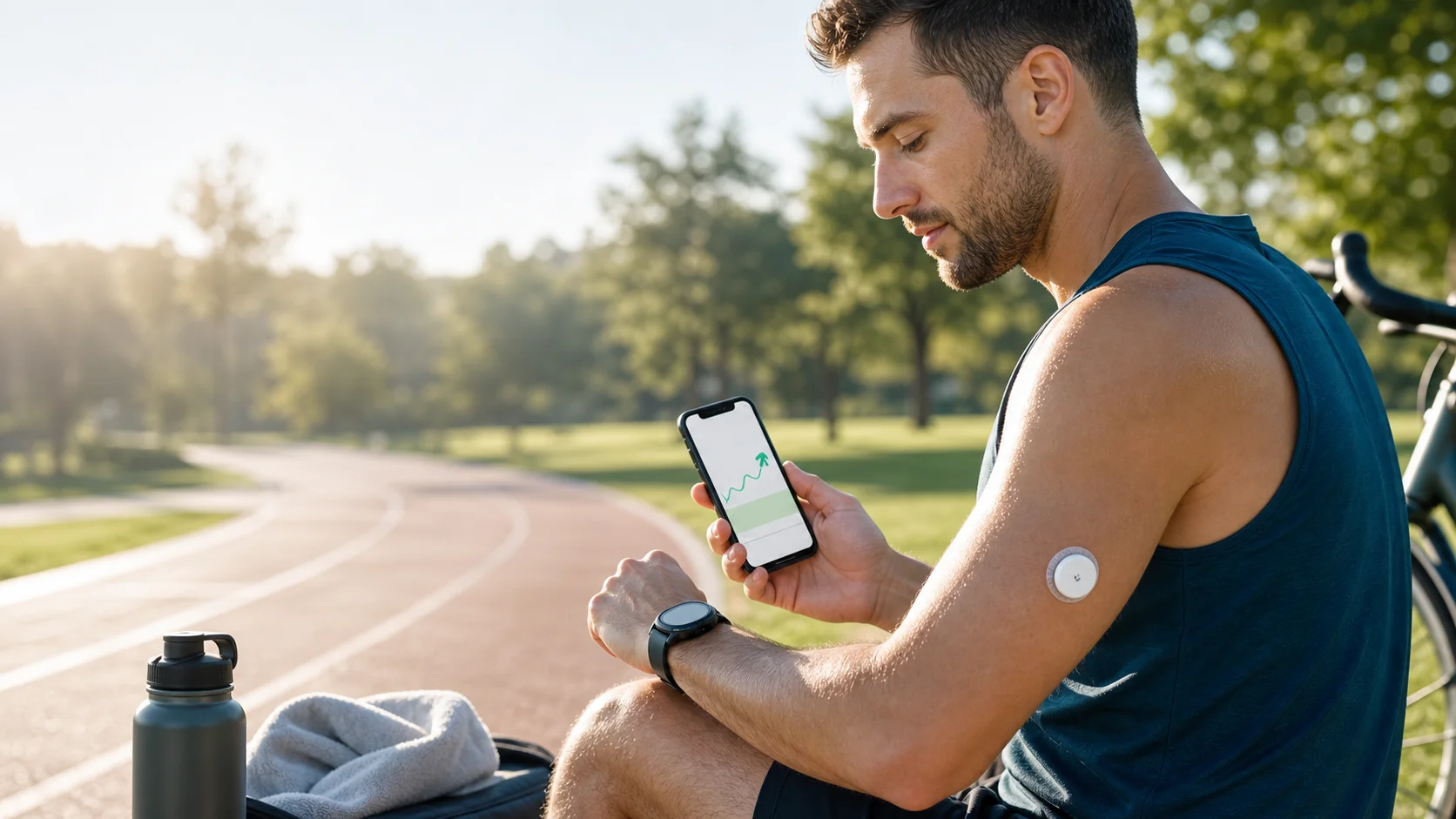
Physically active people - athletes or people who exercise regularly benefit from real-time monitoring to avoid exercise-induced hypo- or hyperglycemia.
How to transition from glucometer to CGM
Switching from classic testing to continuous monitoring is simple, but requires an adaptation period:
At the start - learn with your care team when to use a meter. There is no fixed “normal” 5–15 mg/dL difference applicable to every reading and device.
During familiarisation - check settings, alerts and confirmation or calibration requirements. Reduce finger-stick testing according to the manual and care plan, not a universal calendar.
Long term - keep a meter and supplies available for situations where CGM cannot be used safely.
Psychological adjustment - prepare yourself to see MORE information than before. With a glucometer, you saw 4-8 values per day. With CGM, you see a continuous graph - including spikes and drops you didn't know about before. It's normal to be surprised or even slightly worried initially. Discuss with your doctor how to interpret the graphs.
Continuous glucose monitoring and health insurance
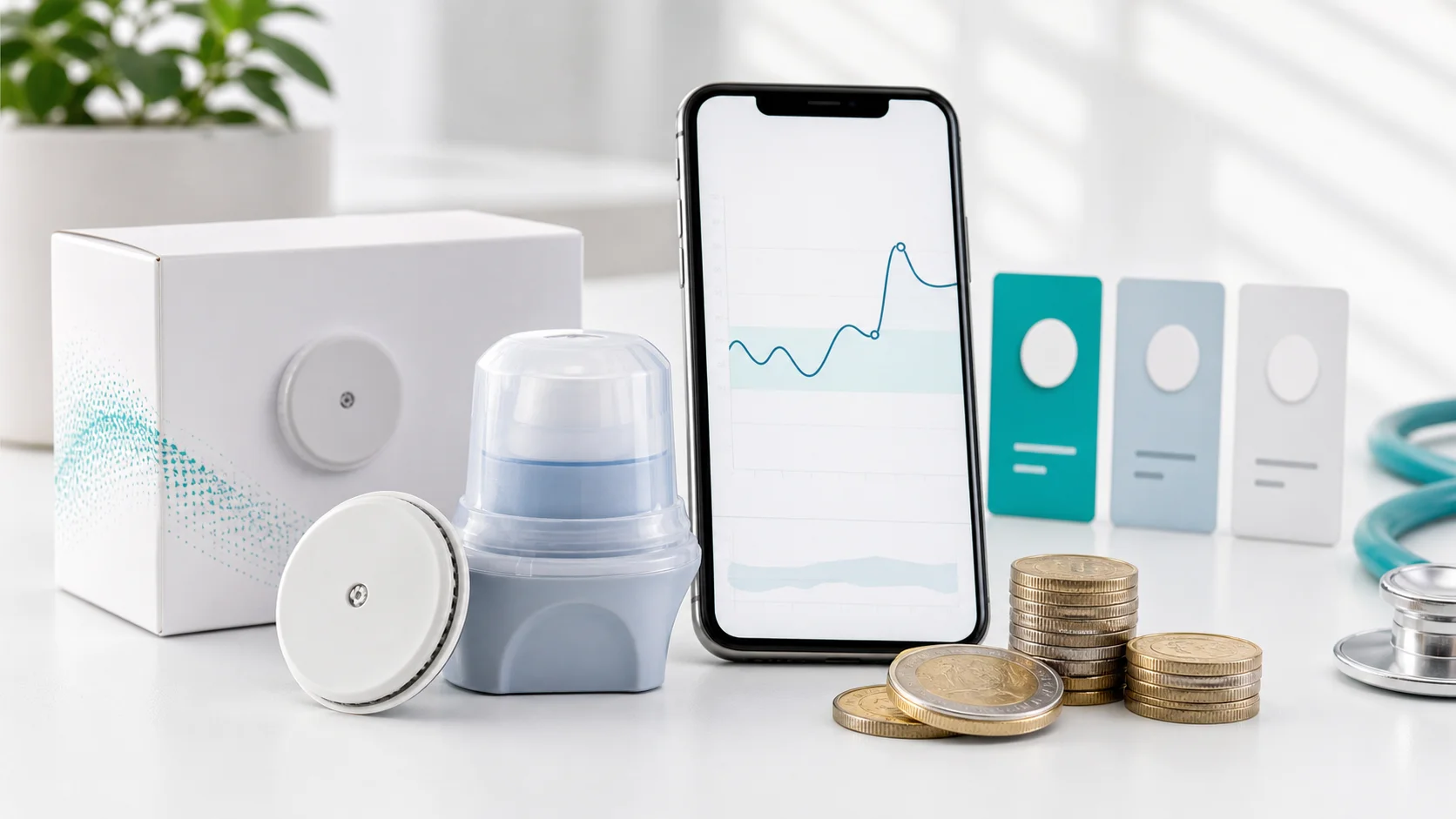
In Romania, access through the National Diabetes Programme depends on applicable criteria and medical pathways. An online purchase is not automatically reimbursed; check your current eligibility with your diabetes clinician and health insurance office.
For a direct purchase, compare cost with usefulness in your situation. Our article on investing in CGM offers questions to discuss, not a guarantee that everyone should buy a sensor.
Tomorrow's technology - what the future of continuous monitoring holds
The field of continuous glucose monitoring is evolving rapidly. Here's what we can expect in the coming years:
Non-invasive methods - research continues, but launch dates and clinical performance cannot be inferred from announcements. Check evidence and authorisation for the exact product before medical use.
Longer wear periods - some devices already offer extended periods. Duration alone does not determine total cost or suitability; indication, procedures and required supplies also matter.
Artificial intelligence - some features analyse patterns or estimate future changes. Use only functions covered by the device and care plan; AI-generated advice is not an automatic instruction to change a dose.
Measuring multiple biomarkers is a development direction. A standard CGM sensor does not implicitly measure ketones or the whole metabolism; check what each product actually measures.
First step - how to start continuous monitoring
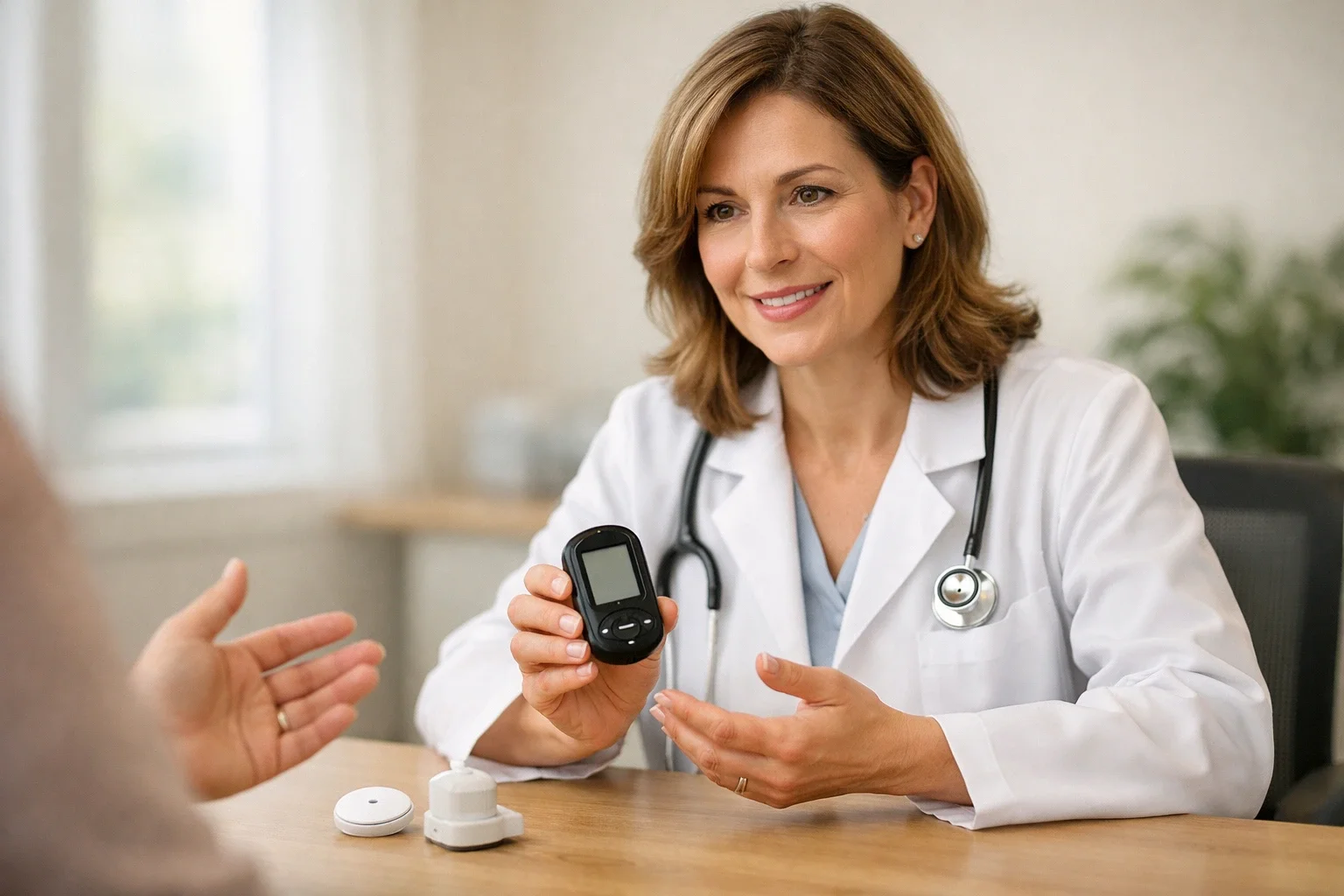
If you're interested in continuous glucose monitoring, the first step is simple: talk to your endocrinologist. Together, you'll determine whether CGM is right for your situation, what sensor model is recommended, and what realistic expectations are.
Before first insertion, check your phone, read the manual and prepare a meter. Agree how you will respond to alerts and when to review reports.
CGM can reduce repeated finger pricks and add useful context for diabetes care. Benefit depends on appropriate selection and use, not merely buying a device.