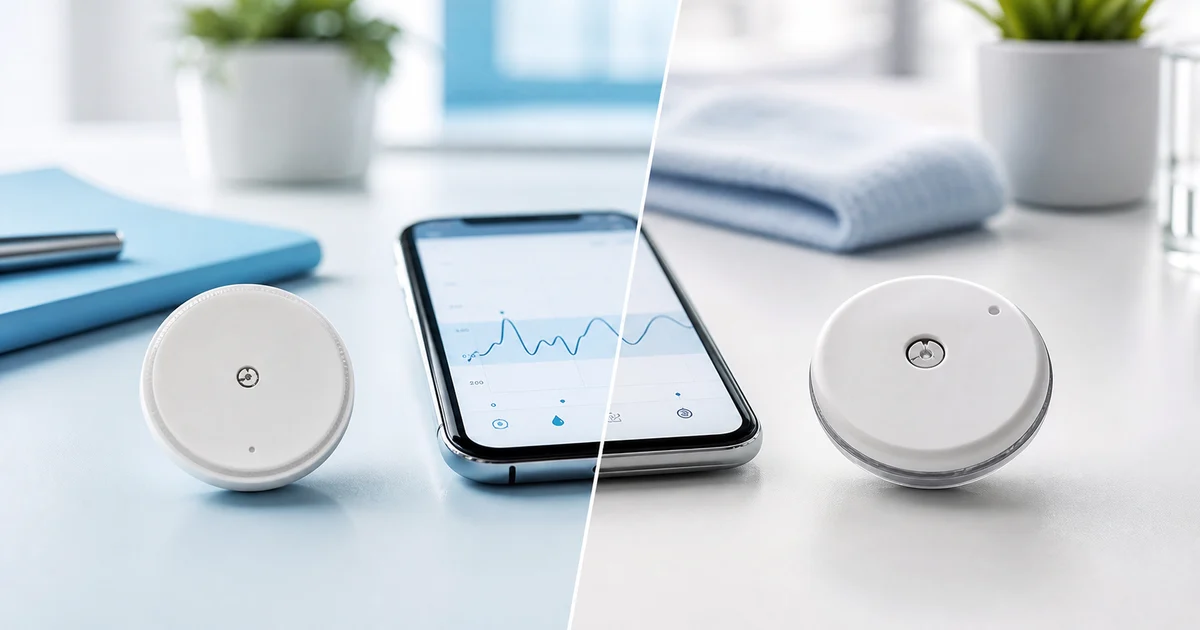
LinX CGM provides up to 15 days of wear and a reading every minute. Sibionics GS1 provides up to 14 days and a reading every 5 minutes. These are concrete differences; they do not establish which sensor suits every user.
This comparison is based on manufacturer documentation, not a head-to-head clinical trial or claimed editorial hands-on experience.
The essentials
| Feature | LinX CGM | Sibionics GS1 |
|---|---|---|
| Maximum wear | 15 days | 14 days |
| Reading interval | 1 minute | 5 minutes |
| Warm-up | Approximately 60 minutes | 60 minutes |
| App | LinX | SIBIONICS |
| Water rating | IP68 | IP28 |
| Readings after activation | Bluetooth, no repeated scanning | Bluetooth, no repeated scanning |
One extra day and more frequent readings
LinX gives a slightly longer interval between changes. Minute-by-minute readings provide more frequent updates than GS1’s 5-minute interval, but they do not remove the physiological difference between interstitial and blood glucose. Reading frequency is not the same as accuracy.
Size and comfort
MicroTech lists LinX at 22 mm in diameter, 4.22 mm thick and 2.16 g. These are useful size references, but we cannot promise it will be invisible or unnoticeable. Adhesive tolerance, placement and skin sensitivity matter with both products. The applicator inserts a filament under the skin; discomfort varies between people.
IP68 and IP28 are not a swimming ranking
GS1 is not automatically limited to splashes because it has an IP28 rating. Its manufacturer describes water use with depth and duration limits. Numerical LinX limits differ between the reviewed documents. Follow the manual edition applicable to the supplied sensor rather than inferring a rule from its IP number.
Check the app before choosing the sensor
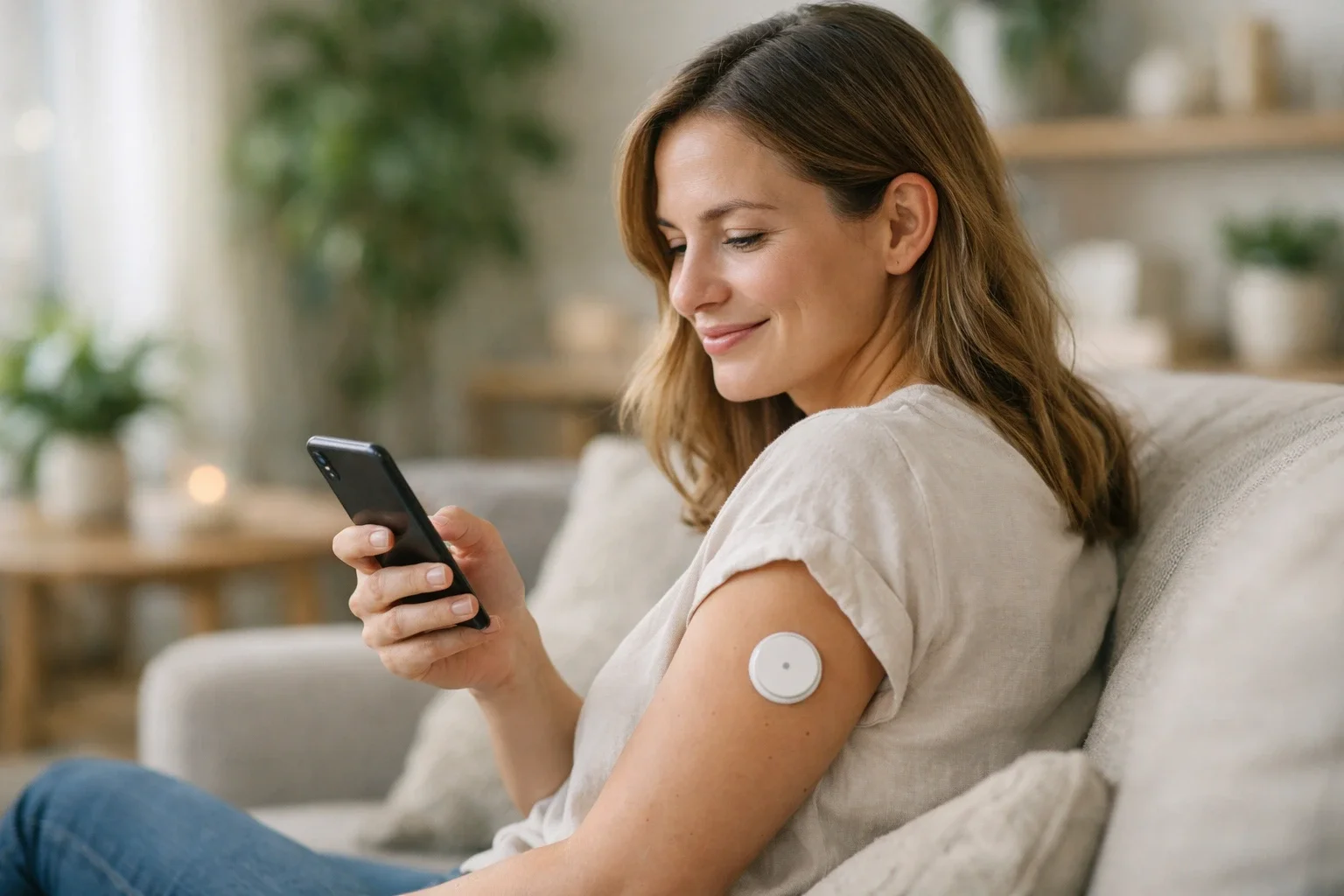
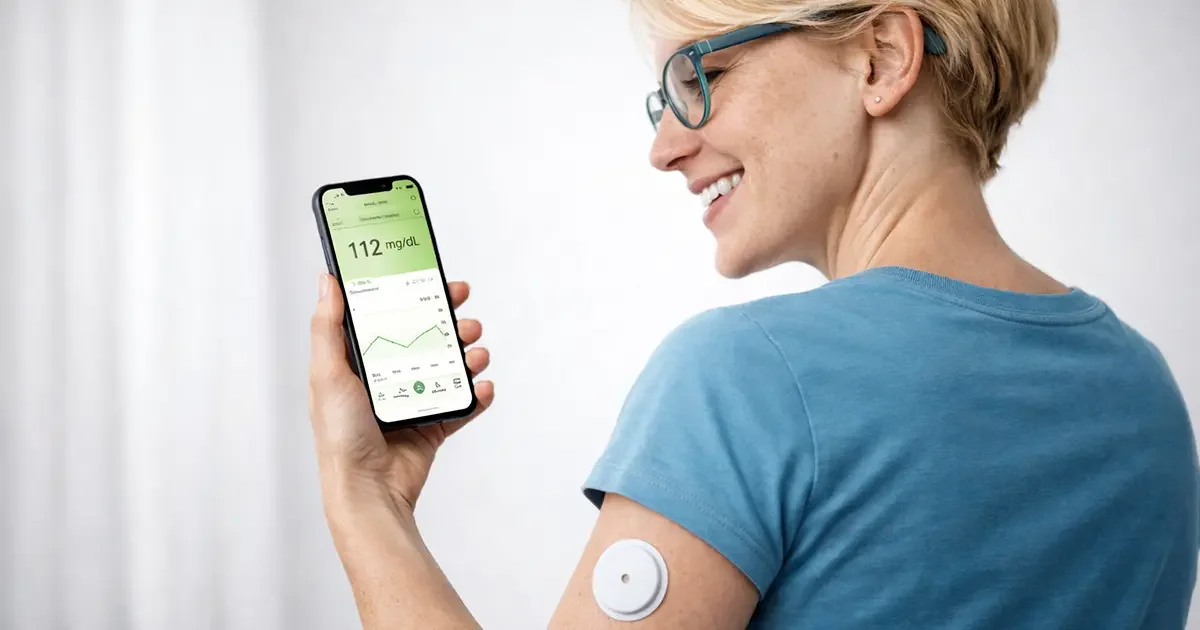
Confirm your phone model and operating system on the official compatibility lists. Both apps offer graphs, alerts and data sharing, but settings and setup differ. If a family member will follow your data, check the sharing steps too. These features do not imply continuous monitoring by a healthcare professional.
Why we do not declare an accuracy winner
Published MARD figures reflect the conditions of their respective studies. Comparing them without a common protocol does not establish an individual clinical advantage or justify an insulin-dosing recommendation. If readings do not match symptoms, check with a blood glucose meter as specified by the manual and your agreed care plan.
Compare costs over the same period
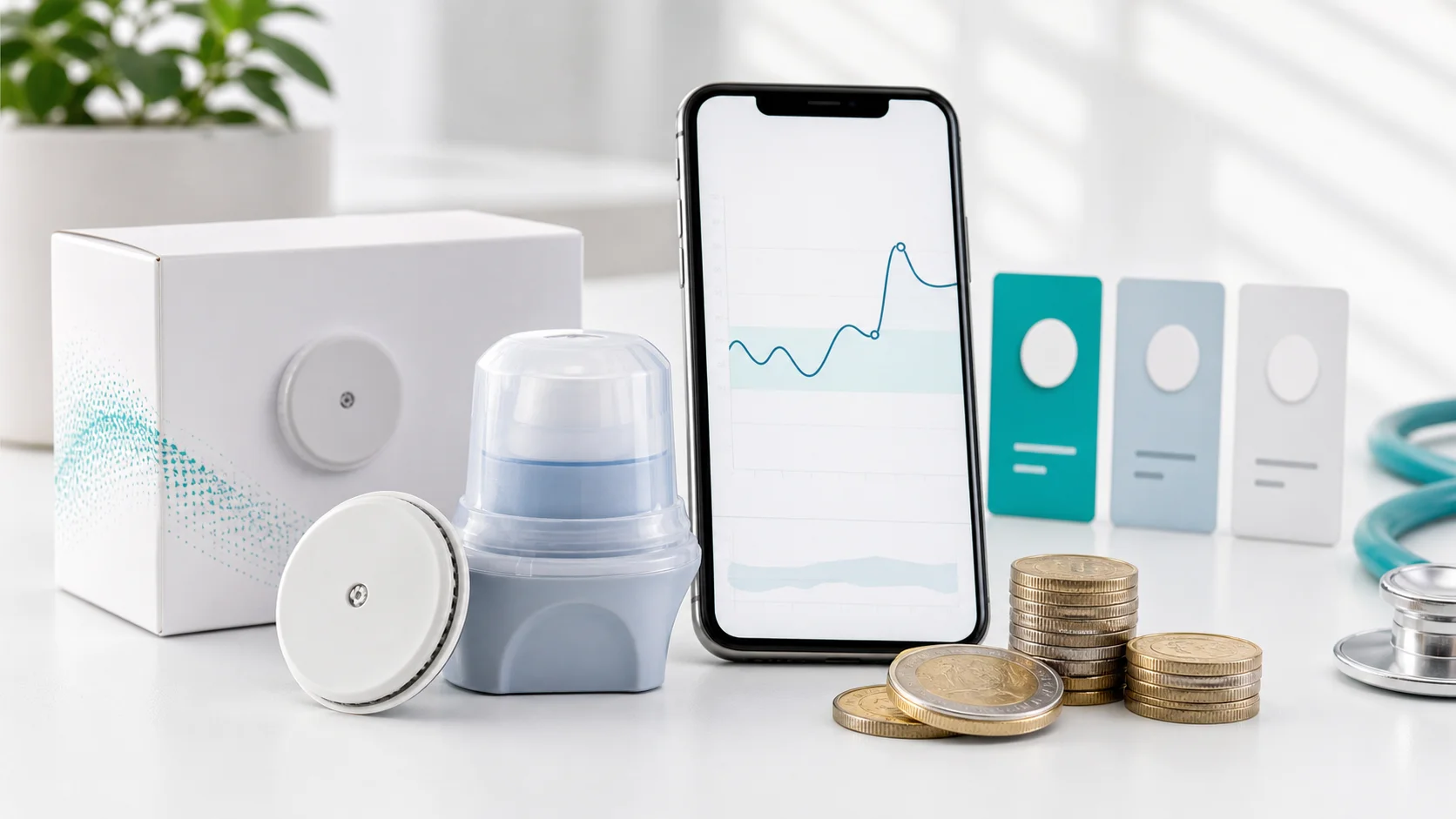
Divide the LinX price by 15 and the GS1 price by 14 to find average daily cost. Compare like-for-like purchases: individual orders with individual orders, or subscriptions with subscriptions. See the monthly and annual budgeting guide and check current product prices.
What this means for your choice
Consider LinX if a compact format and minute-by-minute updates matter to you. GS1 offers 14-day monitoring in the SIBIONICS app if that system matches your requirements. Before ordering, confirm indications, compatibility and warranty terms. For other wear durations or features, compare glucose sensors and current offers.