Ketogenic diet and why ketone monitoring changes the game
A ketogenic diet substantially reduces carbohydrate intake and changes the use of energy substrates. The liver produces ketone bodies from fats, but a ketone reading alone does not establish whether a diet is balanced, body fat is being lost or the intervention is safe.
Choose an eating plan according to goals, health, treatment and sustainability. In diabetes, particularly with insulin or SGLT2 inhibitors, severe carbohydrate restriction and fasting can require important precautions. Pregnancy, kidney disease and a history of eating disorders are further reasons for individual assessment before restrictive changes.
This guide explains measurement differences and what to check for SiBio KS1. It does not prescribe a diet, daily carbohydrate intake or ketone target.
What are ketones and why their levels matter
The main ketone bodies are beta-hydroxybutyrate (BHB), acetoacetate and acetone. Their proportions change with context; BHB does not have one fixed percentage in every situation.
- BHB: can be measured in blood by laboratory methods or compatible meters.
- Acetoacetate: is detected by commonly used urine ketone strips.
- Acetone: can be measured in breath; this is not the same measurement as blood BHB.
Sensor ranges do not establish or guarantee “optimal fat burning”. A higher concentration does not automatically mean a better result. Interstitial readings cannot automatically replace thresholds established for blood.
Diabetic ketoacidosis is an emergency. Assessment involves ketones, acid–base balance and clinical context; it can occur without very high glucose, including with SGLT2 inhibitors. Do not wait for readings above 5 or 10 mmol/L before seeking help when warning symptoms are present.
Classical methods of measuring ketones - their limitations
Until recently, those who wanted to monitor their ketones had three options, each with significant limitations:
1. Urine strips (acetoacetate test)
Urine strips mainly detect acetoacetate and provide different information from blood BHB. Urine concentration and sampling time can affect results; follow the leaflet and expiry date.
Some care plans use urine ketones when BHB testing is unavailable. They do not become automatically useless after a fixed number of diet weeks. For a suspected emergency, follow the method and actions specified by the clinician without delaying help.
2. Glucometers with ketone function (blood BHB test)
A meter compatible with ketone strips can measure BHB in a blood sample. Not every glucose meter has this function, and glucose strips are not interchangeable with ketone strips. Check the device and supplies.
Testing is a snapshot and requires sampling, but clinical guidance recommends blood BHB for assessing and monitoring ketoacidosis. Frequency and cost depend on the care plan and current prices;2–3 daily tests are not prescribed here for everyone following keto.
3. Breath analyzers (acetone test)
Breath analyzers assess acetone without a blood sample. Check the actual device’s method, calibration and intended use; do not equate its result with blood BHB or a KS1 reading.
Compare what each device measures, its indications, interpretation limits and actual costs. Accuracy depends on the device and its use. A breath analyzer must not be used to rule out ketoacidosis.
SiBio KS1 - continuous ketone monitoring
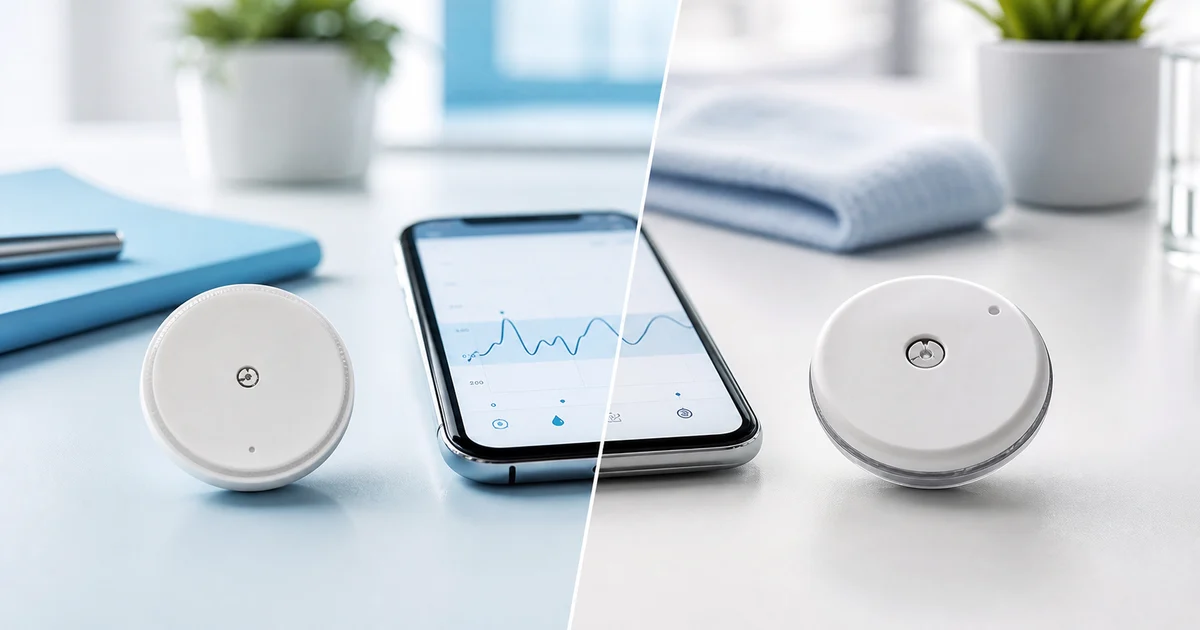
SiBio KS1 is a continuous ketone monitoring device, distinct from a CGM sensor for glucose. Do not rely on it to diagnose or protect against ketoacidosis. Check the intended use and instructions for the exact model supplied.
How SiBio KS1 works
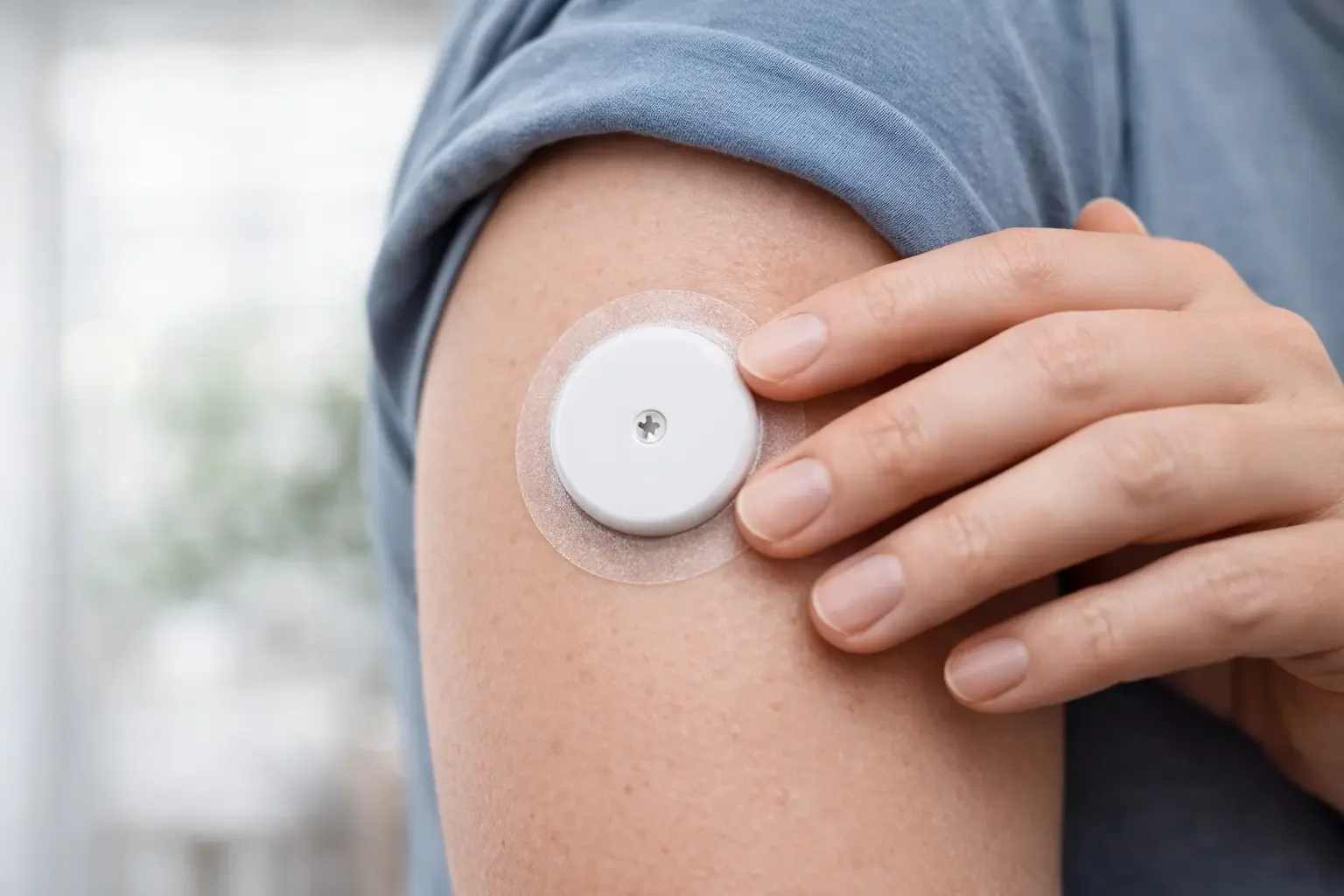
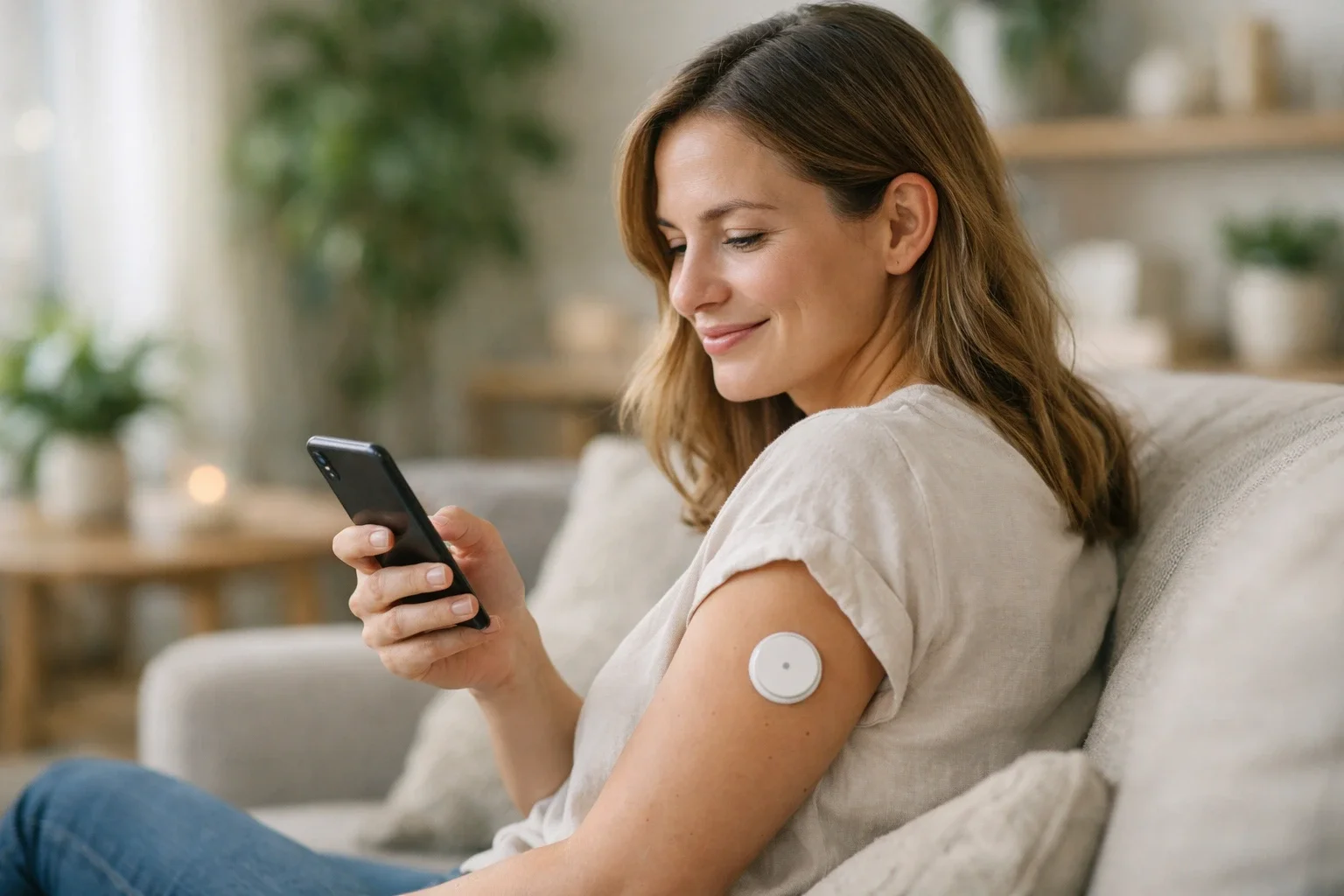
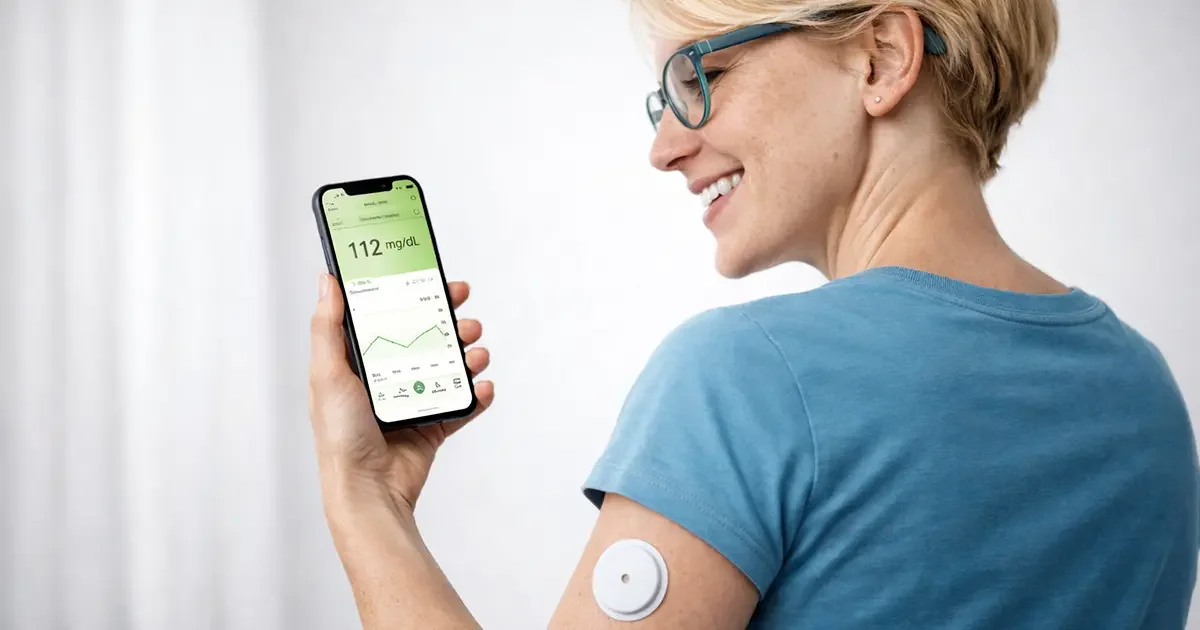
KS1 is worn on the skin and sends information to a compatible app. Application site, warm-up, wear time, phone list and available features must be checked in the instructions for the supplied version.
Before buying, request the manual and clarify how measurements are produced and displayed, which interruptions may occur and how data can be exported. A graph can show changes over time but does not prove each change’s cause or provide a diagnosis.
Do not transfer blood thresholds or alerts from another device’s guide into the app. For medical use, agree checking methods and responses with a clinician.
What continuous data can and cannot explain
Repeated monitoring may help formulate questions about changes during the day. Record meals, activity, symptoms and any data gaps before interpreting a pattern.
A change observed after a meal does not identify an exact personal carbohydrate threshold or justify greater restriction. Ketone level does not directly measure body-fat loss or dietary quality.
For people with diabetes, device alerts do not replace testing and an emergency plan. KS1 does not replace testing and medical assessment for suspected ketoacidosis; seek help without waiting for its confirmation.
SiBio KS1 and CGM: different indicators
A ketone sensor and a glucose sensor track different indicators. Using both does not provide a complete metabolic picture or independently establish a clinical indication, diet or treatment.
If discussing this approach with your clinician, check each device’s compatibility, instructions and limitations separately. Their readings are not the same measurement.
- LinX CGM: check instructions and phone compatibility.
- Sibionics GS1: compare practical features and indications.
- Sibionics GS3: verify exact documentation and availability rather than inferring specifications from GS1.
Who is SiBio KS1 recommended for?
Suitability depends on the product’s intended use and why you want ketone measurements. Before ordering, check which instructions and support are available for the version sold.
Do not rely on KS1 to make extended fasting, insulin changes or a restrictive diet safe in diabetes. These decisions need medical assessment and an appropriate testing plan. More device data do not automatically make an intervention safer.
Practical tips for using SiBio KS1
- Before use: read the exact manual, check the phone and ask for clarification if intended use is unclear.
- Log: record context, meals and activity without changing treatment to reach a number.
- Interpretation: discuss persistent changes or symptoms; one reading does not prove a meal’s effect.
- Alerts: configure only available functions as instructed. A generic keto range is not a universal medical target.
- Emergency: persistent vomiting, abdominal pain, breathing difficulty or confusion require immediate help; do not wait for sensor confirmation.
Final tips
Choose a measurement method by the question it needs to answer, not by promises of the largest number of readings. Blood, urine, breath and interstitial fluid are different samples and are not interpreted identically.
For documentation, stock and delivery options, see the KS1 page or contact the team. Discuss medical goals and responses to readings with a clinician.
Also read meter versus CGM, choosing CGM and the CGM guide.