Type 1 diabetes is an autoimmune disease affecting insulin-producing pancreatic beta cells. It is not caused by eating sugar or a lack of willpower, and it can occur at any age. In clinical disease, externally supplied insulin is needed daily. Assessment before onset and any options to delay progression require specialist care, not a home diet. In this guide, the Prime Medical team and Dr. Daniela Petrache explain symptoms, diagnosis, treatment and monitoring with LinX CGM.
What is type 1 diabetes mellitus?
Type 1 diabetes mellitus (formerly known as "insulin-dependent diabetes" or "juvenile diabetes") is a chronic autoimmune disease in which the immune system mistakenly attacks pancreatic beta cells - the only cells in the body capable of producing insulin. Without insulin, glucose from the blood can no longer enter cells to be converted into energy, and blood glucose levels rise dangerously high.
In type 1 diabetes mellitus, two main mechanisms occur:
Autoimmune beta-cell destruction: the immune process, involving T cells, reduces pancreatic insulin production. Autoantibodies such as anti-GAD65, anti-IA-2 and anti-ZnT8 are markers used in assessment, not the complete mechanism of cell destruction. Progression differs between people.
Insulin deficiency: the body’s production may decline gradually and can remain partly preserved at onset. Insulin is necessary in clinical type 1 diabetes; presymptomatic autoimmune stages require separate assessment.
Symptoms can develop rapidly, especially in children, but autoimmunity may precede them by a long time. Some adults progress more slowly and may initially be diagnosed with type 2 diabetes. Age alone does not exclude type 1 diabetes.
Remember: thirst, frequent urination and unexplained weight loss need prompt assessment, including in adults without family history. Recognising symptoms matters more for the immediate decision than assuming this disease affects only children.
Symptoms of type 1 diabetes - how it can begin
Symptoms may develop over days or weeks, but some people, particularly adults, progress more slowly. Do not wait for every sign to be present or severe before seeking assessment.
The 4 classic symptoms (known as "the 4Ps") are:
Polyuria - frequent and abundant urination, including at night (nocturnal enuresis in children who were already "dry")
Polydipsia - excessive, constant thirst, which does not respond to normal hydration
Polyphagia - marked hunger, even though the person eats enough or even more than usual
Weight loss: unexplained loss, sometimes rapid, even when appetite is maintained or increased.
Other frequent symptoms include:
Extreme fatigue and marked weakness sensation
Blurred vision
Irritability and mood changes (especially in children)
Frequent infections - candidiasis, urinary tract infections
Slow wound healing
Watch for ketoacidosis: it can be the first presentation of type 1 diabetes. Persistent vomiting, abdominal pain, rapid deep breathing, confusion or a worsening general condition require immediate help. Call 112 rather than waiting for a sensor result.
Causes and risk factors for type 1 diabetes mellitus
Type 1 diabetes mellitus is an autoimmune disease with complex etiology. It is not caused by sugar consumption, excess weight, or lack of physical activity - these factors are relevant for type 2 diabetes, not type 1. The exact cause remains incompletely understood, but research has identified three categories of factors involved:
Genetic factors
- HLA genes: some variants influence autoimmune susceptibility but do not independently determine disease onset.
- Family history: relatives of someone with type 1 diabetes may have greater risk, but many diagnoses occur without known family history.
- Other genes: risk is complex, not a simple inheritance from one parent. Discuss assessment and testing with specialists.
Autoimmune factors
Autoantibodies may appear before symptoms. Persistently positive multiple autoantibodies require staging and specialist monitoring rather than interpretation from an article alone.
Type 1 diabetes may coexist with other autoimmune conditions, including thyroid and coeliac disease. The care team arranges appropriate screening and investigates relevant symptoms.
Environmental factors (triggers)
Research examines viral infections, the microbiome and other environmental factors in relation to autoimmunity. A study association does not prove what caused one person’s disease.
Changing infant feeding, taking high-dose vitamin D or increasing exposure to infections should not be used as a home prevention strategy for type 1 diabetes. Parents should not be blamed for its onset.
How is type 1 diabetes mellitus diagnosed?
Laboratory thresholds for diabetes diagnosis are shown below. Without unequivocal hyperglycaemia, results require confirmation under diagnostic criteria. Random glucose of at least 200 mg/dL is diagnostic together with classic symptoms or a hyperglycaemic crisis. The table does not independently establish autoimmune diabetes and is not intended for CGM readings.
Diagnostic test | Normal | Prediabetes | Diabetes |
|---|---|---|---|
Fasting blood glucose | below 100 mg/dL | 100-125 mg/dL | ≥126 mg/dL |
OGTT (at 2 hours) | below 140 mg/dL | 140-199 mg/dL | ≥200 mg/dL |
HbA1c | below 5.7% | 5.7-6.4% | ≥6.5% |
Random blood glucose | - | - | ≥200 mg/dL + symptoms |
Tests specific to type 1 diabetes
To distinguish autoimmune diabetes from other forms, clinicians combine history, progression, tests and treatment. Neither age nor weight independently determines diabetes type.
- Autoantibodies: anti-GAD65, anti-IA-2, anti-ZnT8 and, in the appropriate setting, insulin autoantibodies can support autoimmune diagnosis. Results depend on the assay, timing and clinical context; one negative result does not exclude every case.
- C-peptide: reflects the body’s own insulin production and is interpreted alongside glucose, meal timing and disease duration. One value is not a universal verdict.
- Slower adult progression: autoimmune diabetes may progress more slowly and initially be confused with type 2. LADA is a term used in this setting. Insulin need depends on clinical condition and pancreatic function, not a mandatory sequence of tablets followed by insulin.
Treatment of type 1 diabetes - lifelong insulin therapy
Clinical type 1 diabetes requires replacement of insulin the body no longer produces sufficiently. Other medicines do not replace insulin needed for survival. The regimen is adapted to meals, activity, hypoglycaemia risk and life stages; do not stop insulin during illness without the diabetes team’s instructions.
1. Types of insulin
Basal insulin covers background needs between meals and overnight. Prandial insulin covers meals and may be used for corrections under the prescribed plan. Selection and timing depend on the exact product, not only the active ingredient’s name.
- Glargine: different formulations and strengths include Lantus and Toujeo; they do not automatically share one profile and must not be substituted without a prescription.
- Detemir, Levemir: action can last up to 24 hours, depending on dose.
- Degludec, Tresiba: action lasts beyond 42 hours in the therapeutic range; this is not an instruction to skip a dose.
- Aspart, NovoRapid: has rapid action and a stated duration of 3–5 hours. Fiasp is a different formulation with its own documentation.
- Lispro, Humalog: documentation describes 2–5 hours of activity, varying with dose, site, temperature and activity.
- Glulisine, Apidra: another prandial option with its own administration instructions.
Discuss duration and timing relative to meals for the actual prescribed product. General comparisons are not a basis for calculating doses or changing insulin.
2. Insulin regimens
- Basal-bolus injections: combine background insulin and meal or correction doses under an individual plan. Injection count depends on the prescribed products and personal needs.
- Insulin pump: delivers insulin through an infusion set, providing basal delivery and boluses. Training, set checks and a backup plan for interrupted delivery are necessary.
- Automated insulin delivery: uses a compatible, approved combination of pump, CGM and algorithm. Not every sensor works with every pump; actions such as meal announcement may still be required.
3. Carb counting
Carbohydrate counting helps match meals to prandial insulin. The insulin-to-carbohydrate ratio and correction factor are individual and can change with time of day, activity or illness. Do not borrow another person’s ratio or calculate doses from a general example.
Education includes reading labels, estimating portions, accounting for active insulin and interpreting CGM trends. Review patterns with the care team rather than judging a single meal.
Complications of type 1 diabetes - why monitoring matters
Prolonged hyperglycaemia can damage blood vessels and nerves. The aim is the safest achievable control, not a low HbA1c at the expense of hypoglycaemia risk. Targets, screening and treatment are personalised; complications do not follow an inevitable timetable.
Microvascular complications
- Retinopathy: can affect vision, sometimes without early symptoms. Eye examinations follow a schedule based on age and diabetes duration.
- Kidney disease: can affect filtration and urinary albumin loss; regular tests help detect it.
- Neuropathy: may cause numbness, tingling, pain or autonomic problems such as digestive changes. Foot examinations and reporting symptoms are part of care.
Macrovascular complications
- Cardiovascular disease: risk is influenced by glucose, blood pressure, lipids, smoking, kidney function and diabetes duration.
- Stroke: prevention requires managing risk factors beyond glucose alone.
- Peripheral arterial disease: affects limb circulation and needs assessment when pain, wounds or skin changes appear.
Acute complications
- Diabetic ketoacidosis: insufficient insulin can lead to ketone accumulation and acidosis. This is an emergency and can occur without very high glucose, particularly in certain treatment or illness settings.
- Hypoglycaemia: a reading below 70 mg/dL calls for attention and the personal response plan. Below 54 mg/dL is level 2; level 3 means impairment requiring another person’s help, regardless of the measured number.
Monitoring and education can support prevention and recognition, but a sensor does not guarantee avoiding episodes. A sick-day plan, ketone testing when indicated and access to hypoglycaemia treatment are essential.
Glucose monitoring in type 1 diabetes - LinX CGM in everyday care
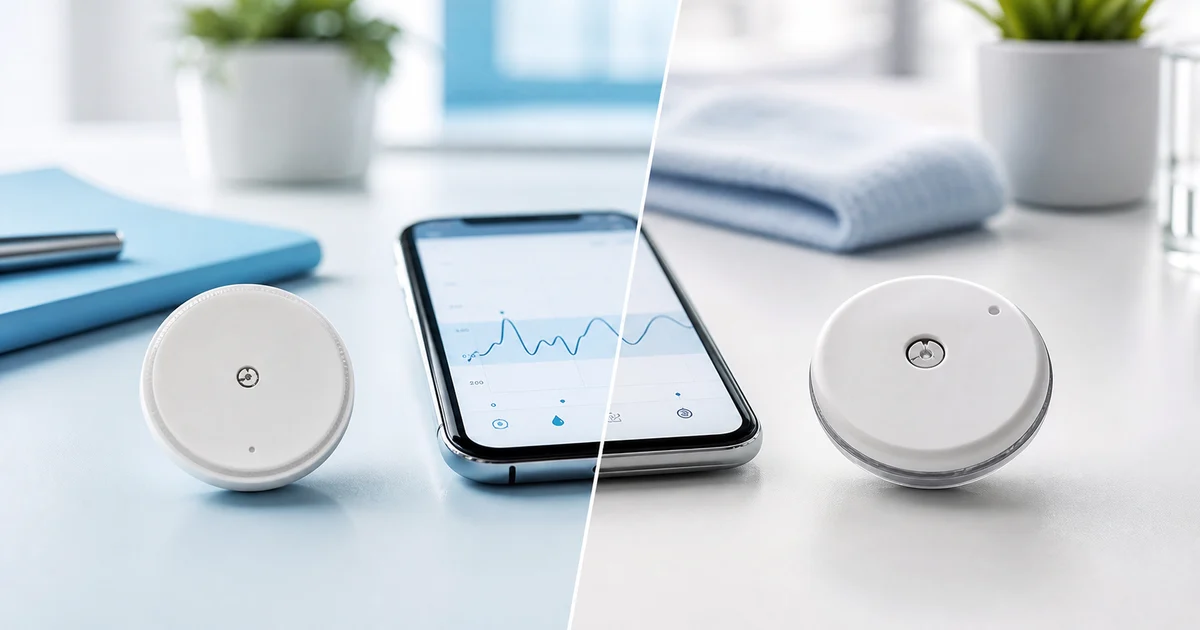
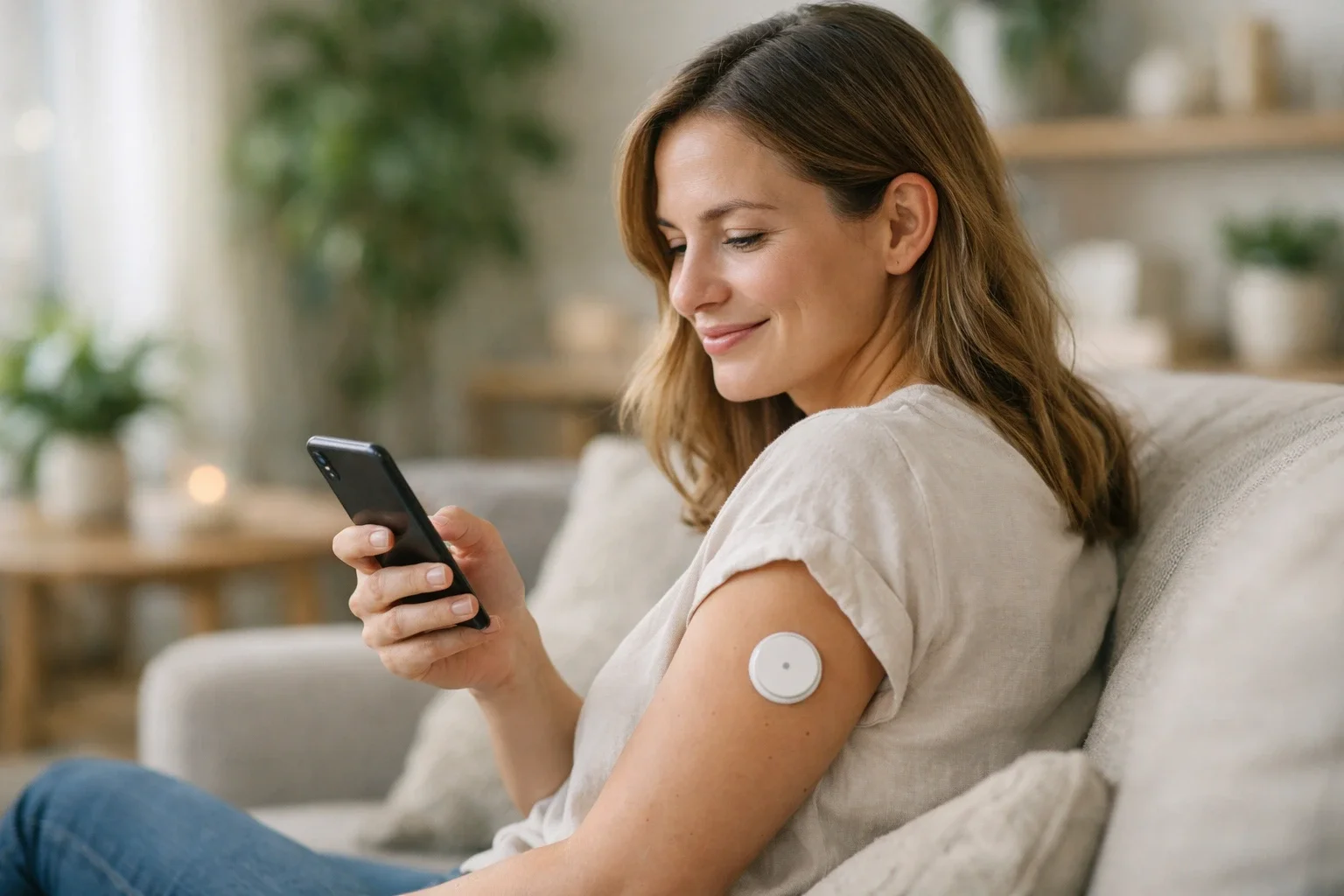
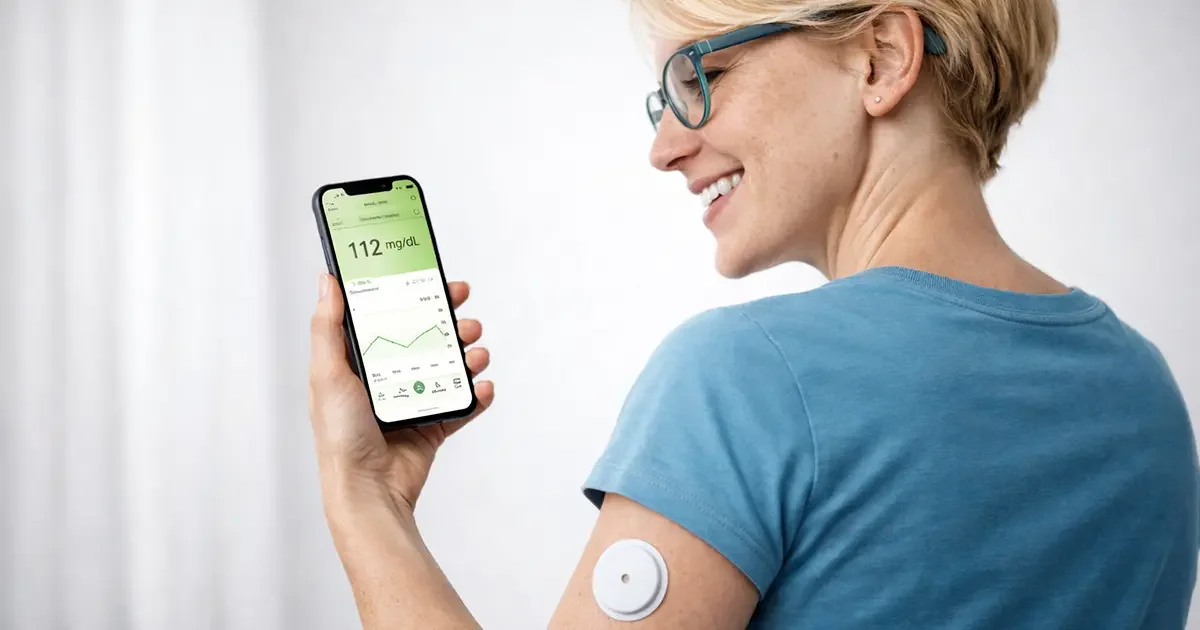
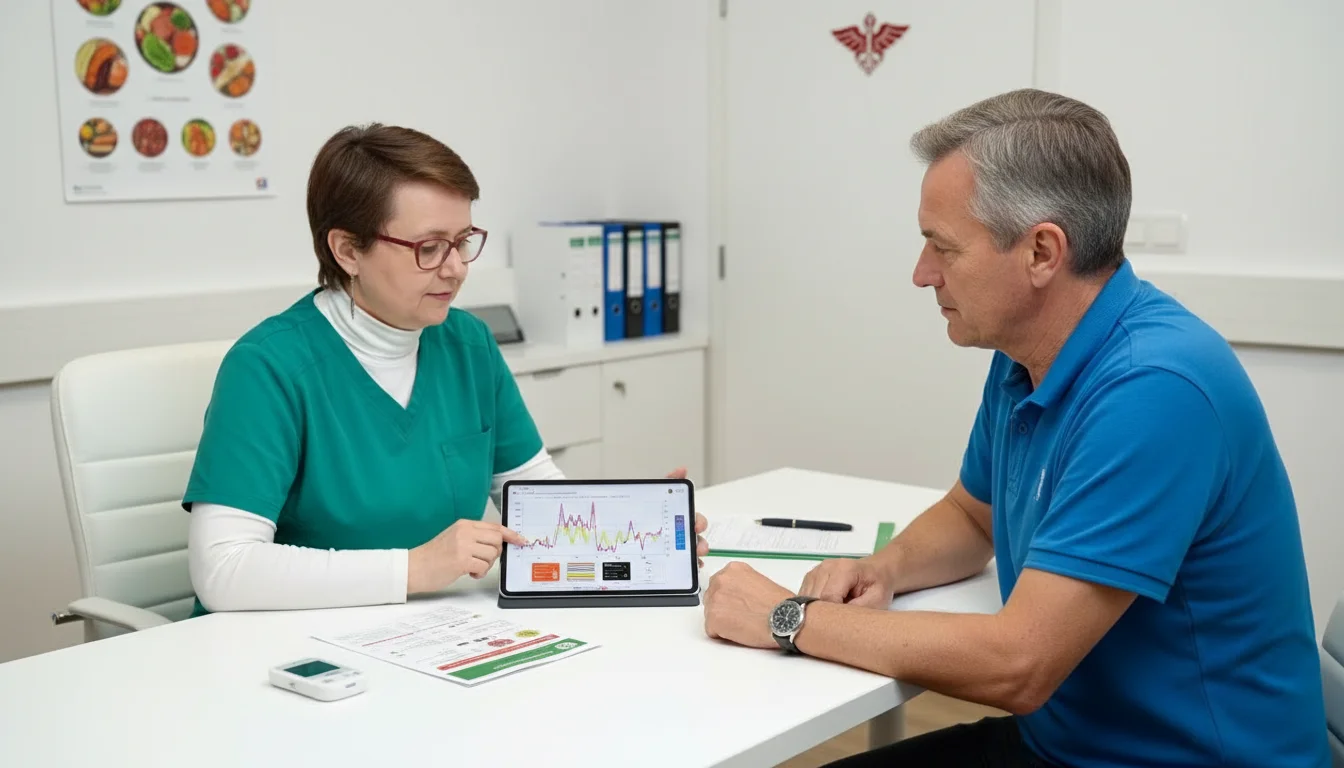
CGM tracks interstitial glucose and adds information about daytime and overnight patterns to point-in-time checks. Selection depends on treatment, hypoglycaemia risk, personal goals and the ability to use the system safely. Training and reviewing data with the healthcare team are part of using it.
LinX CGM is one model in the Prime Medical range. Before buying, check the supplied version, its indications and compatible phone list.
- Automatic readings: an app reading every minute after warm-up, under the conditions in the instructions.
- Wear time: up to 15 days per sensor; interruptions or detachment can limit use.
- Alerts: check app features, phone permissions and thresholds agreed in the care plan. Do not assume every alarm predicts or prevents an episode.
- Water and activity: follow the manual’s depth and time limits. IP68 does not mean unrestricted underwater use.
- Compatibility: check phone model and operating system; do not assume connection to a watch or insulin pump.
- Children and sharing: check age indications and sharing functions for the supplied version. Agree who follows the data and who responds.
Keep a blood glucose meter available for symptoms that disagree with the sensor, missing readings and other situations specified in the instructions. Reports support discussion of patterns; they do not independently establish doses or targets suitable for everyone.
Living with type 1 diabetes - a practical guide
Daily management involves choices and sometimes considerable effort. Diabetes education, family support and access to the care team help fit care into school, work, travel and favourite activities. You do not need to solve every problem alone.
Food and nutrition
- A flexible, balanced plan: fit meals to preferences, nutritional needs and treatment rather than assuming an insulin dose compensates for any food choice.
- Carbohydrates: learn portion estimation and its relationship with prandial insulin through diabetes education.
- Diet quality: vegetables, fibre sources and variety matter beyond the sensor number.
- Alcohol: can increase delayed hypoglycaemia risk and make it harder to recognise. Discuss risks in the context of age, treatment and circumstances.
Physical activity
- Benefits: movement supports cardiovascular health and well-being. Choose enjoyable activities suited to fitness and health.
- Variable response: aerobic activity tends to lower glucose and intense activity may temporarily raise it; insulin, meals and duration also matter.
- Individual plan: agree what to check before, during and after activity and when to stop. Do not apply one insulin reduction or carbohydrate amount to every workout.
- Monitoring: CGM can show trends but may lag behind blood glucose. Carry a meter, hypoglycaemia treatment and necessary contact information.
Travel
- Luggage: keep insulin and essential supplies accessible and protected under the product’s storage conditions.
- Backup: plan extra supplies, a glucose meter and an alternative insulin delivery method if using a pump.
- Time zones: discuss insulin timing before departure rather than applying a general adjustment rule yourself.
- Documents: a medical card and treatment information can help in an emergency.
- Phone and sensor: check charging, app, connectivity and what to do if readings stop.
Psychological support
- Diabetes distress: worry and fatigue about daily tasks deserve discussion without shame or blame.
- Burnout: when care feels overwhelming, seek help to simplify tasks and access psychological support.
- Children and adolescents: share responsibilities according to maturity and needs, with support from adults and the healthcare team.
When should you see a doctor?
Call 112 for loss of consciousness, seizures, substantial confusion, breathing difficulty or suspected ketoacidosis with persistent vomiting and worsening general condition. Ketoacidosis can occur without very high glucose; do not wait for a sensor threshold.
Severe hypoglycaemia may require another person’s help. If swallowing is unsafe, do not give food or drink by mouth. A trained caregiver can give prescribed glucagon according to its instructions while emergency help is being sought.
Contact the diabetes team for repeated readings outside the personal plan, recurrent hypoglycaemia, treatment difficulties or a device change. New thirst, frequent urination or unexplained weight loss warrant prompt assessment rather than waiting for a routine appointment.
Regular visits review HbA1c and CGM, complication screening and everyday difficulties. Children’s targets are not automatically less stringent than adults’ targets; the team sets them individually. Discuss pregnancy planning before conception.

![Type 2 Diabetes: Symptoms, Causes and Complete Treatment [2026]](https://cdn.primemedical.ro/content/dr-petrache-consultatie-diabet-tip-2.webp "Type 2 Diabetes: Symptoms, Causes and Complete Treatment [2026]")
![CGM Blood Glucose Sensors: Complete Guide - Comparison and Selection [2026]](https://cdn.primemedical.ro/content/dr-petrache-prezinta-senzorii-de-glicemie.webp "CGM Blood Glucose Sensors: Complete Guide - Comparison and Selection [2026]")