Type 2 diabetes is the most common form of diabetes. Its course depends on biological factors, treatment and everyday circumstances; it is not a verdict on someone’s willpower. Some people can achieve remission, but this does not mean a permanent cure and requires medical follow-up. In this guide, the Prime Medical team and Dr. Daniela Petrache explain symptoms, diagnosis, treatment options and monitoring with LinX CGM.

Type 2 Diabetes, what exactly is it?
Type 2 diabetes (formerly known as "non-insulin-dependent diabetes" or "adult diabetes") is a chronic metabolic disease in which the body no longer uses insulin efficiently - the hormone produced by the pancreas that allows glucose from the blood to enter cells and be converted into energy.
In type 2 diabetes, two main problems occur:
Insulin resistance - cells in the muscles, liver, and adipose tissue no longer respond normally to insulin. The pancreas produces insulin, but the cells "ignore" it, and glucose remains in the blood
Progressive insulin deficiency: beta-cell function can decline over time, leaving insulin production unable to meet the body’s needs. The rate of progression differs between people.
Type 2 diabetes can develop gradually and remain symptom-free for a long time. Genetic susceptibility, age, environment and factors such as physical activity and excess weight contribute to risk. It can also occur in younger people or people without obesity.
What do Romanian data show? PREDATORR, published in 2016, estimated diabetes prevalence at 11.6% and prediabetes at 16.5% in the studied adult population aged 20–79. These are historical data about diabetes overall, not a current count of type 2 cases. Individual assessment needs testing and a consultation, not application of a population percentage.
Type 2 Diabetes Symptoms - how do you recognize the signs?
One of the most dangerous aspects of type 2 diabetes is that it can develop without obvious symptoms for years. Many people discover the disease by chance, during routine tests, or only when complications appear.
When blood glucose rises significantly, the following symptoms may appear:
Excessive thirst (polydipsia) and persistent dry mouth
Frequent urination (polyuria), including at night
Increased hunger (polyphagia), even after meals
Chronic fatigue and feeling of weakness
Blurred vision
Unexplained weight loss (although more rare than in type 1)
Slow healing of wounds and cuts
Frequent infections - urinary, skin, gingival
Numbness or tingling in hands and feet (sign of incipient neuropathy)
Areas of darkened skin (acanthosis nigricans), especially on the neck, armpits, or skin folds
Important: If you recognize yourself in several of these symptoms, consult your doctor as soon as possible and request fasting blood glucose and HbA1c tests. Early detection can prevent serious complications. Learn more about diabetes management on danielapetrache.ro.

Causes and risk factors for type 2 diabetes
Type 2 diabetes occurs through a combination of genetic predisposition and environmental factors related to lifestyle. There is no single cause, but an accumulation of factors that, over time, lead to insulin resistance and increased blood glucose.
Non-modifiable risk factors
- Family history: diabetes in close relatives raises risk but does not make the disease inevitable.
- Age: risk increases with age, but type 2 diabetes also occurs in young people.
- Family and population background: prevalence differs between groups in interaction with environment and access to care.
- Previous gestational diabetes: ongoing follow-up and testing matter because later type 2 diabetes risk is higher.
- Polycystic ovary syndrome: may be associated with insulin resistance and warrants risk assessment.
Modifiable risk factors
Excess weight and obesity - especially abdominal (visceral) fat. Obesity is the most important modifiable risk factor
Sedentary lifestyle - lack of physical activity reduces insulin sensitivity
Unhealthy diet - excess sugar, ultra-processed foods, refined carbohydrates, lack of fiber
Chronic stress - releases cortisol, which increases blood glucose
Insufficient or poor quality sleep - affects glucose metabolism
Smoking - increases insulin resistance and cardiovascular risk
How is type 2 diabetes diagnosed?
Diagnosis uses laboratory tests. The table’s thresholds concern plasma glucose and HbA1c, not CGM readings. Without unequivocal hyperglycaemia, the result requires confirmation under diagnostic criteria. Random glucose of at least 200 mg/dL is diagnostic when accompanied by classic symptoms or a hyperglycaemic crisis.
Diagnostic test | Normal | Prediabetes | Diabetes |
|---|---|---|---|
Fasting blood glucose | below 100 mg/dL | 100-125 mg/dL | ≥126 mg/dL |
OGTT (at 2 hours) | below 140 mg/dL | 140-199 mg/dL | ≥200 mg/dL |
HbA1c | below 5.7% | 5.7-6.4% | ≥6.5% |
Random blood glucose | - | - | ≥200 mg/dL + symptoms |
Your doctor may also request additional tests: lipid profile, kidney function (creatinine, eGFR, urine albumin/creatinine ratio), liver function, eye examination - all to assess whether complications already exist.
Treatment of type 2 diabetes - comprehensive approach
Type 2 diabetes treatment is individualized and combines multiple strategies, from lifestyle modification to medication and, in some cases, insulin therapy.
1. Lifestyle modification - the foundation of treatment
Regardless of the stage of the disease, lifestyle changes are the foundation of therapy:
Balanced diet - prioritize vegetables, lean proteins, healthy fats, whole grains, and fiber. Limit added sugar, sugary drinks, and ultra-processed foods. Discover recipes adapted for diabetes on retetediabetici.ro
Regular physical activity - minimum 150 minutes per week of moderate-intensity aerobic activity (brisk walking, cycling, swimming) + resistance exercises 2-3 times per week
Weight: when weight loss is appropriate, a sustained reduction can improve glucose and other risk factors. Personalise the goal and method; benefit is not identical for everyone.
Stress management - relaxation techniques, quality sleep 7-8 hours/night
Quitting smoking - reduces cardiovascular risk and improves glycemic control
Learn more about how a personalized nutritional plan can help you control your blood glucose.
2. Medication treatment
Medication may be needed from diagnosis alongside support for food choices and activity. Selection considers glucose, heart and kidney health, weight, hypoglycaemia risk, cost and preferences; it need not wait until lifestyle changes have “failed”.
- Metformin: a commonly used option that reduces liver glucose production when suitable and tolerated.
- SGLT2 inhibitors: increase urinary glucose excretion; selected medicines have heart or kidney benefits for specific indications.
- GLP-1 receptor agonists: affect glucose-dependent insulin secretion and appetite; selected products have demonstrated cardiovascular benefits.
- Dual GIP/GLP-1 agonist: tirzepatide is an option for glucose management that also affects weight; suitability and tolerability are assessed individually.
- DPP-4 inhibitors: affect the hormonal response to glucose.
- Sulfonylureas: stimulate insulin secretion and can cause hypoglycaemia; recognising and treating it requires education.
These classes are not interchangeable and have different contraindications. Choose or change treatment with a clinician, including when the aim is heart or kidney protection.
3. Insulin therapy
Insulin may be necessary in type 2 diabetes when oral medications no longer provide adequate glycemic control, or from diagnosis in severe cases (very high HbA1c, marked symptoms, ketoacidosis). Insulin therapy is not a failure - it is a natural step in the disease progression in some patients.

Complications of type 2 diabetes - why monitoring matters
Persistent hyperglycaemia can damage blood vessels and nerves. Risk also depends on blood pressure, lipids, smoking, disease duration and other factors; complications do not follow the same timetable for everyone. Regular screening can identify problems before symptoms develop.
Microvascular complications
- Retinopathy: retinal damage can impair sight; eye examinations matter even without symptoms.
- Diabetic kidney disease: may progress silently; assessment includes kidney function and urinary albumin.
- Neuropathy: can cause pain, tingling or loss of sensation, particularly in the feet. Examinations and daily care help identify injuries.
Macrovascular complications
- Cardiovascular disease: diabetes is associated with greater heart and blood vessel risk.
- Stroke: managing risk factors is part of care.
- Peripheral arterial disease: reduced circulation, neuropathy and infection can contribute together to foot injury.
Prevention combines personalised glucose targets, blood pressure and lipid management, avoiding smoking, suitable treatment and screening. A sensor can support glucose monitoring but does not replace these measures or guarantee freedom from complications.
Blood glucose monitoring in type 2 diabetes - from glucometer to LinX CGM
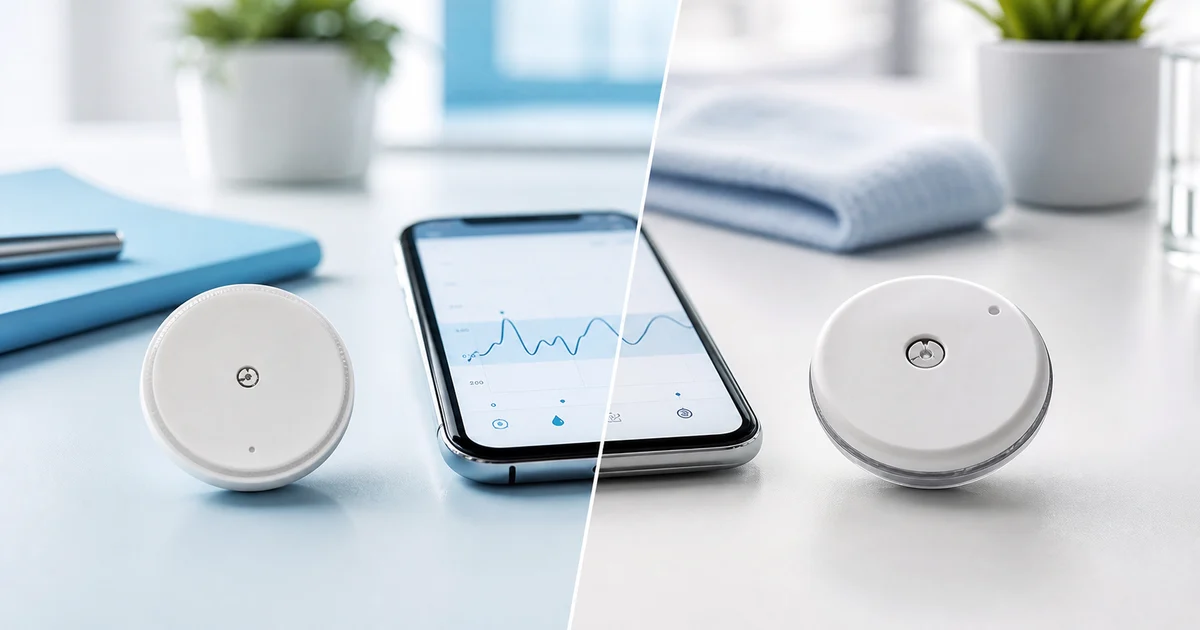
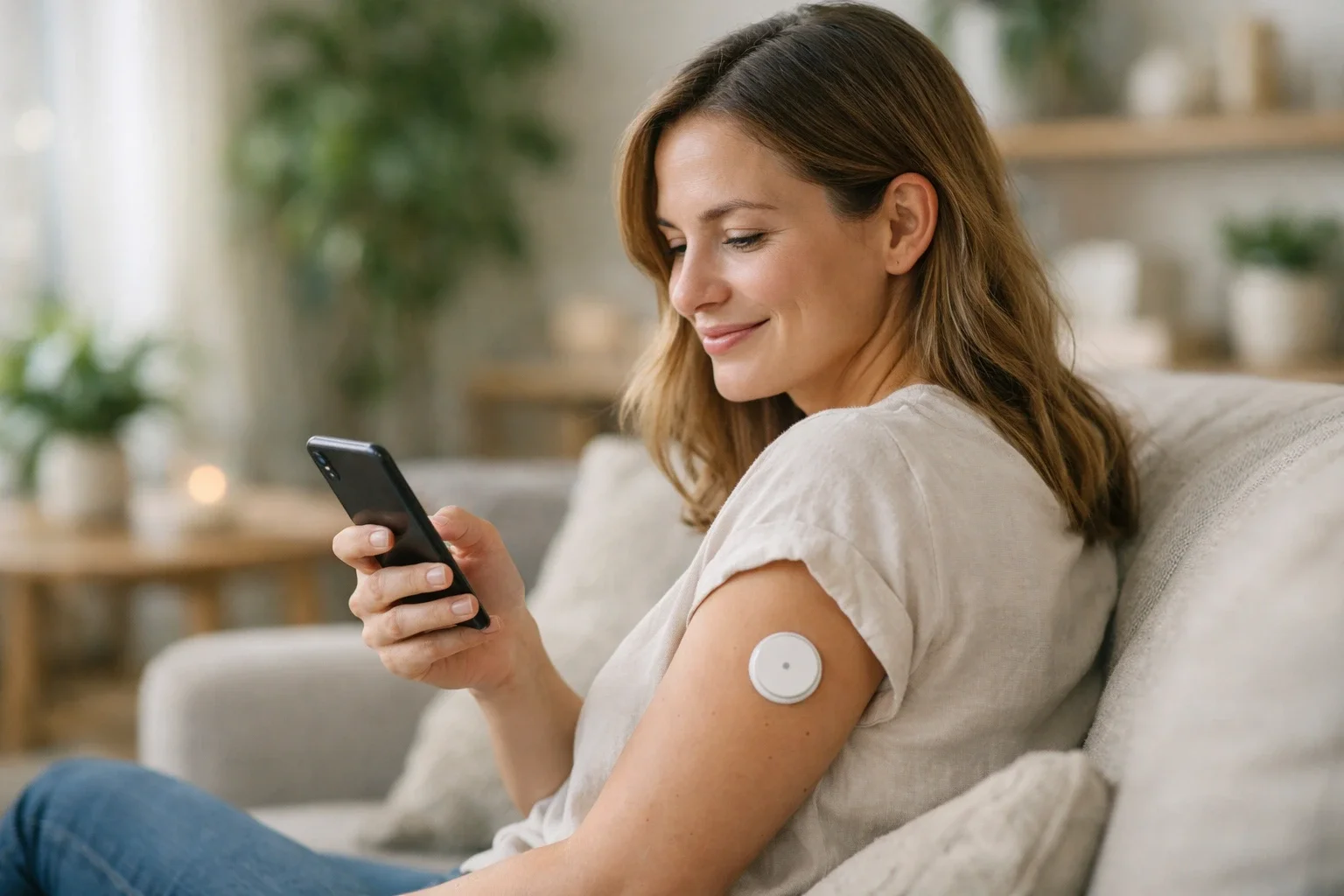
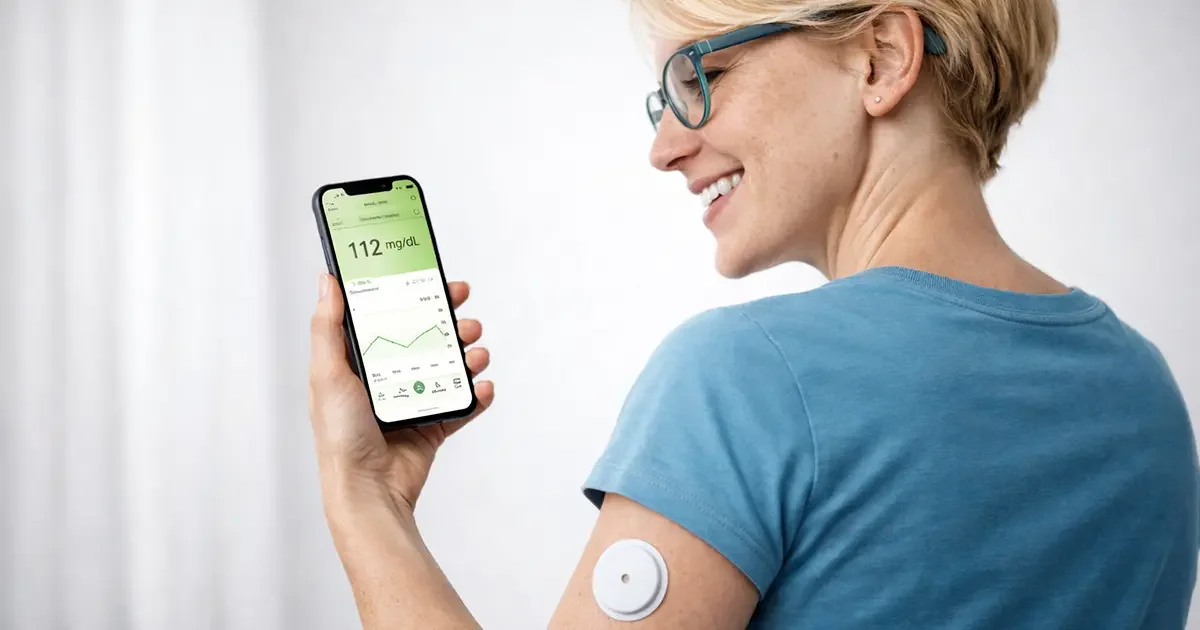
CGM tracks interstitial glucose and adds information about daytime and overnight patterns to point-in-time checks. Selection depends on treatment, hypoglycaemia risk, personal goals and the ability to use the system safely. Training and reviewing data with the healthcare team are part of using it.
LinX CGM is one model in the Prime Medical range. Before buying, check the supplied version, its indications and compatible phone list.
- Automatic readings: an app reading every minute after warm-up, under the conditions in the instructions.
- Wear time: up to 15 days per sensor; interruptions or detachment can limit use.
- Alerts: check app features, phone permissions and thresholds agreed in the care plan. Do not assume every alarm predicts or prevents an episode.
- Water and activity: follow the manual’s depth and time limits. IP68 does not mean unrestricted underwater use.
- Compatibility: check phone model and operating system; do not assume connection to a watch or insulin pump.
- Children and sharing: check age indications and sharing functions for the supplied version. Agree who follows the data and who responds.
Keep a blood glucose meter available for symptoms that disagree with the sensor, missing readings and other situations specified in the instructions. Reports support discussion of patterns; they do not independently establish doses or targets suitable for everyone.
Prevention of type 2 diabetes - what you can do today
Type 2 diabetes can be prevented or delayed in some people at risk. In the Diabetes Prevention Program, an intensive lifestyle intervention reduced relative risk by 58% compared with placebo after about 3 years in selected high-risk adults. This is not an individual guarantee. A practical plan can include the following measures:
Check your blood glucose - a simple blood test (fasting glucose or HbA1c) tells you if you're in the risk zone
Weight: agree on a sustainable goal when weight loss is appropriate and seek support to maintain it.
Move daily - 30 minutes of brisk walking per day makes a huge difference
Eat balanced - more vegetables, fiber, protein and less sugar and processed foods. Get inspired from retetediabetici.ro
Sleep enough - 7-8 hours per night, at regular times
Manage stress - chronic stress raises blood glucose through cortisol
Don't smoke - smoking increases insulin resistance

When should you see a doctor?
Call 112 for loss of consciousness, seizures, substantial confusion, breathing difficulty or suspected ketoacidosis with persistent vomiting and worsening general condition. Ketoacidosis can occur without very high glucose; do not wait for a sensor threshold.
Severe hypoglycaemia may require another person’s help. If swallowing is unsafe, do not give food or drink by mouth. A trained caregiver can give prescribed glucagon according to its instructions while emergency help is being sought.
Contact the diabetes team for repeated readings outside the personal plan, recurrent hypoglycaemia, treatment difficulties or a device change. New thirst, frequent urination or unexplained weight loss warrant prompt assessment rather than waiting for a routine appointment.
A scheduled visit also helps assess prediabetes, review laboratory results and discuss CGM. Achieved remission still needs follow-up: international consensus usually defines it as HbA1c below 6.5% maintained for at least 3 months without glucose-lowering medication. Do not stop treatment to test this condition yourself.

![Type 1 Diabetes: Symptoms, Causes and Complete Treatment [2026]](https://cdn.primemedical.ro/content/dr-petrache-consultatie-diabet-tip-1.webp "Type 1 Diabetes: Symptoms, Causes and Complete Treatment [2026]")