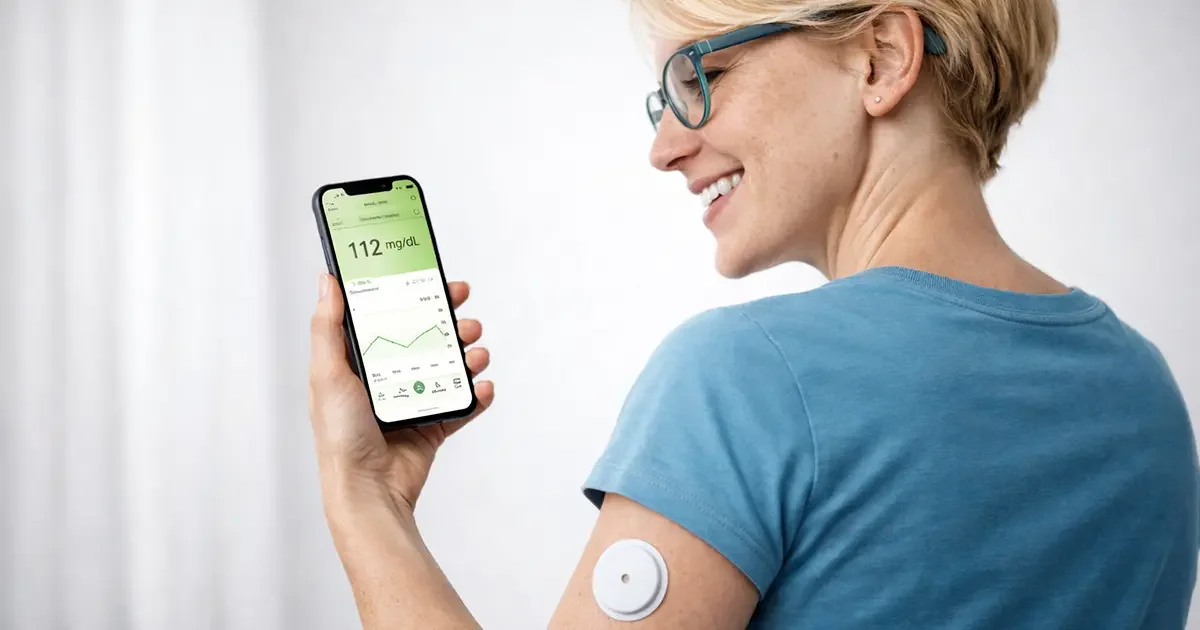
Why Choosing the Right CGM Sensor Matters
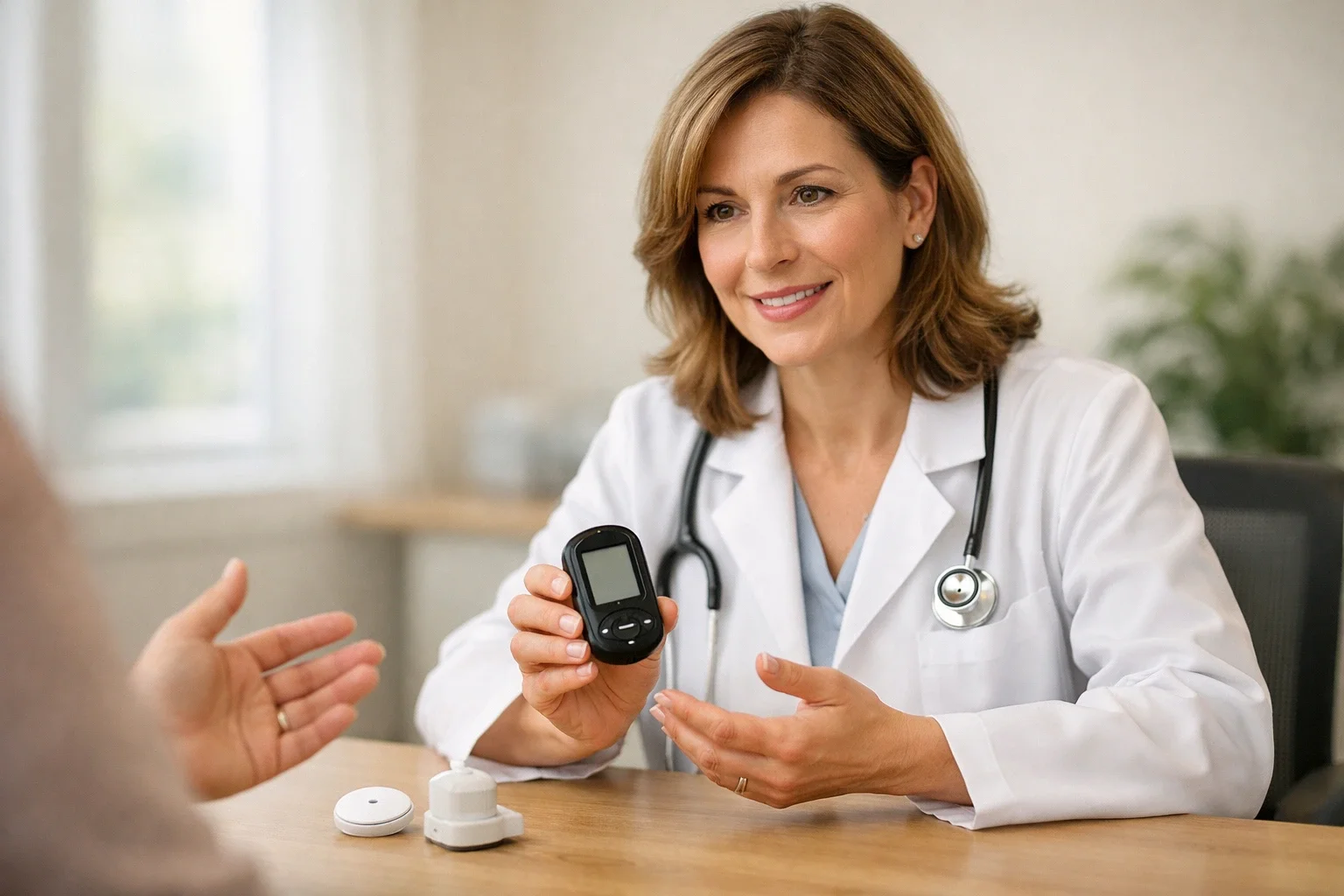
In my practice with diabetic patients, one of the most frequent questions I receive is: «What is the best CGM sensor I can buy in Romania?» The answer is never simple, because it depends on each patient's priorities - accuracy, size, water resistance, smart features, or budget.
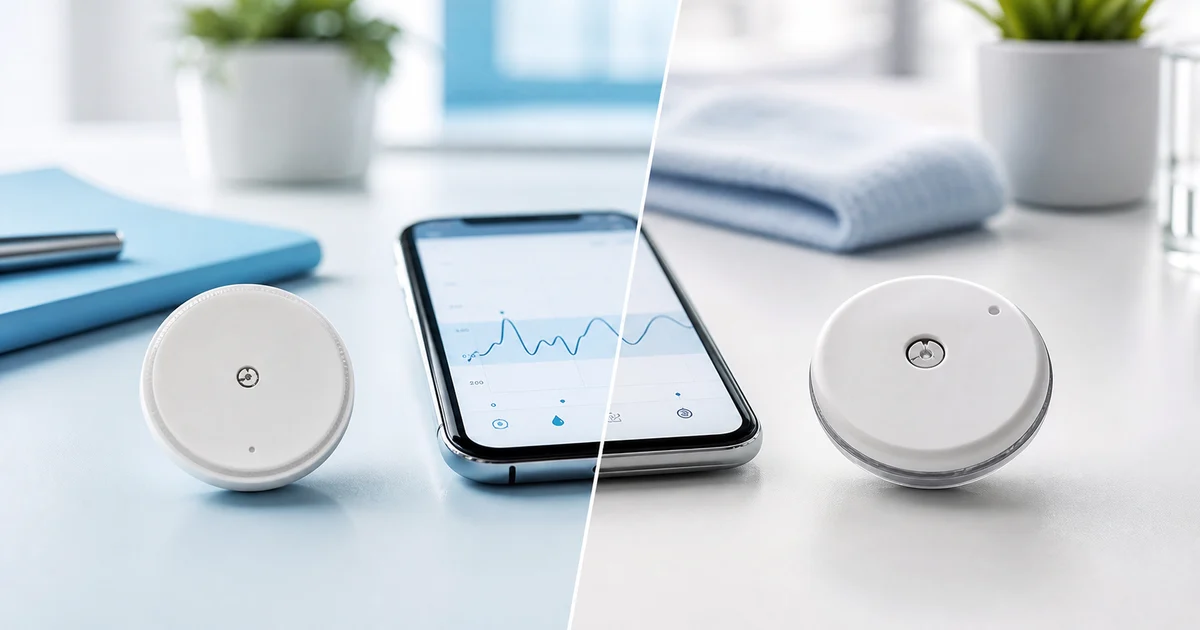
In 2026, the Romanian market for CGM sensors has diversified considerably. There is no longer a single dominant option, but five competitive sensors, each with distinct strengths. In this guide I analyze each model in detail, with technical data, advantages and disadvantages, to help you make the best decision.
If you are not familiar with CGM technology, I recommend you first read the article What is a blood glucose sensor and how does it work.
Comparison Table - Top 5 CGM Sensors Romania 2026
Sensor | Manufacturer | Duration | MARD | Water Resistance | Size | Predictive AI | Approximate Price |
|---|---|---|---|---|---|---|---|
MicroTech Medical | 15 days | 8.66% | IP68 | 22 mm / 2.16 g | No | ~225 RON | |
Sibionics | 14 days | 8.83% | IP28 | Standard | No | ~240 RON | |
Sibionics | 14 days | 8.83% | IP38 | 2.9 mm thickness | No | ~280 RON | |
Roche | 14 days | 9.2% | IP28 | Standard | Yes | ~300 RON | |
Sinocare | 14 days | 8.71% | IP28 | Standard | No | ~230 RON |
Note: Prices are approximate and may vary. Check each product page for updated pricing. For a detailed cost analysis, read How much does a CGM sensor cost in Romania 2026.
1. LinX CGM - The Smallest CGM Sensor in the World
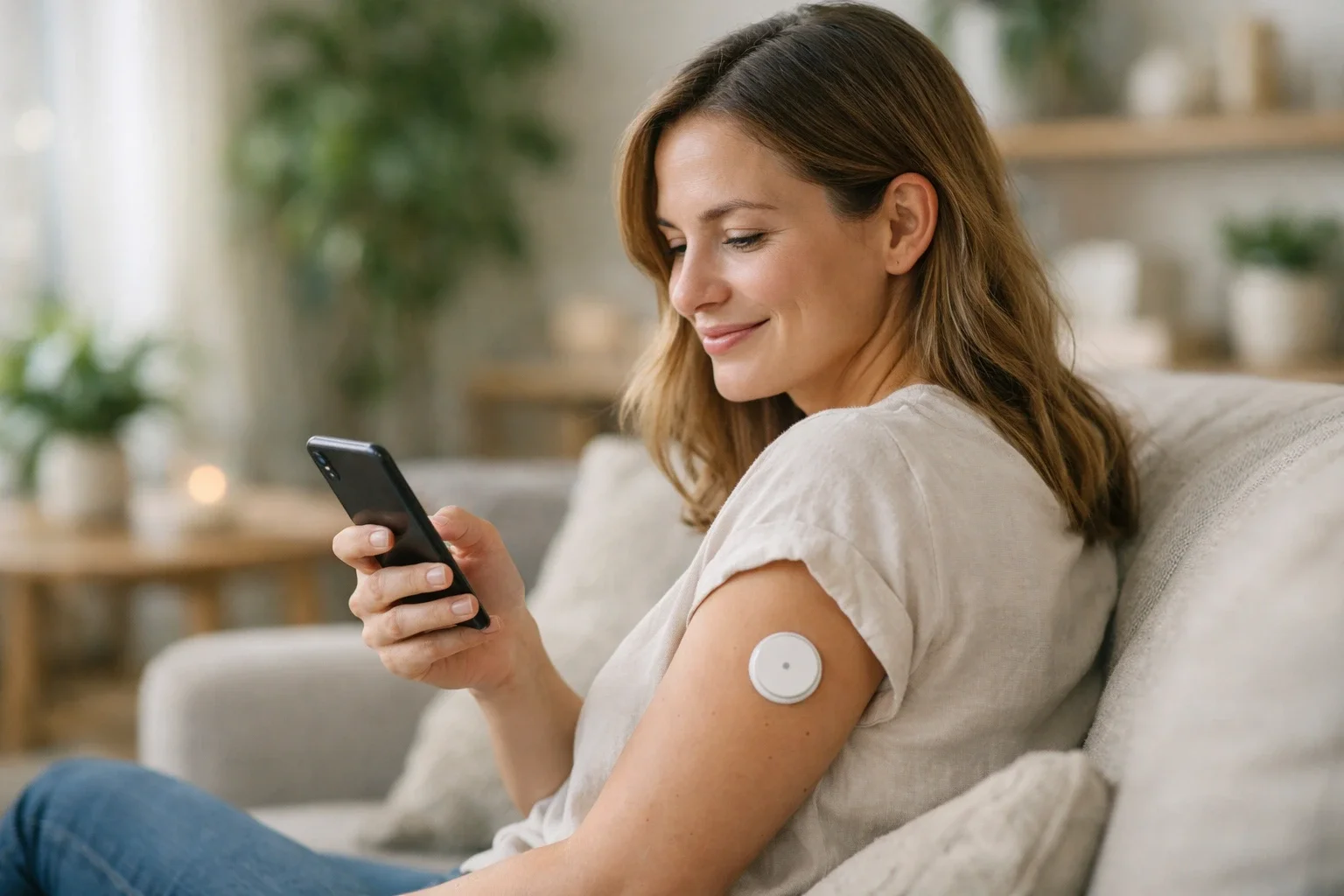
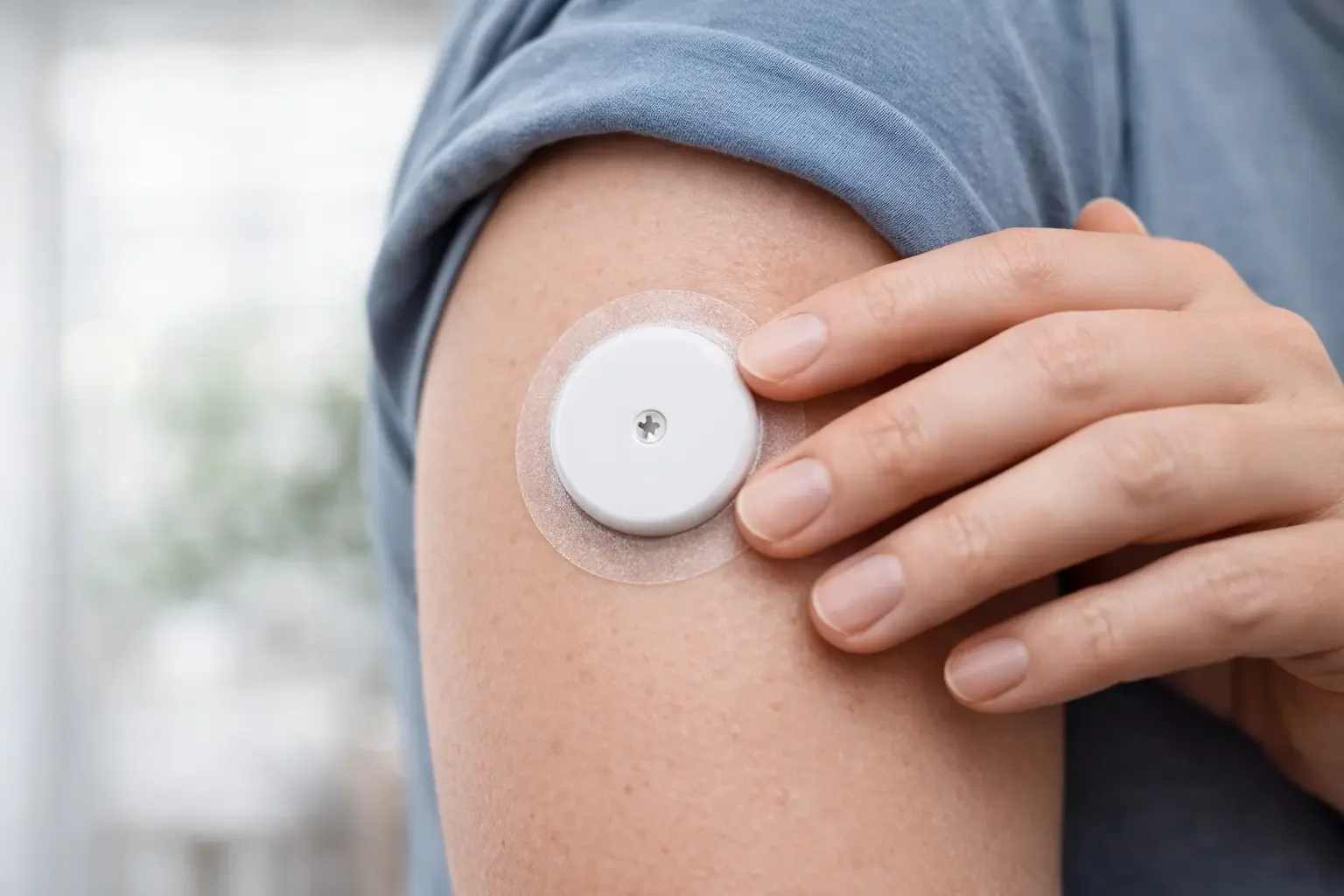
LinX CGM from MicroTech Medical is a remarkable achievement in miniaturization. With a diameter of just 22 mm, a thickness of 4.2 mm, and a weight of only 2.16 grams, it is the most compact CGM sensor available worldwide. Applied to the skin, it is practically invisible under any type of clothing.
What makes it even more attractive is the IP68 rating for water resistance - it can be submerged up to 1.5 meters deep for 30 minutes. This means you can swim in the pool, take prolonged showers, or practice water sports without any worry.
In terms of accuracy, LinX CGM offers a MARD of 8.66%, which falls into the good accuracy category. It requires no calibration with a glucometer and offers real-time monitoring via Bluetooth.
LinX CGM Advantages
The smallest and lightest CGM sensor in the world (22 mm, 2.16 g)
Superior water resistance IP68 - ideal for swimming
Affordable price - best size-to-price ratio
15 days of continuous monitoring without calibration
Simple application with included applicator
LinX CGM Disadvantages
Newer application compared to established ecosystems
No AI prediction features
Smaller user community than Sibionics
Recommended for: Active people, athletes, swimmers, those who want maximum discretion and superior water resistance. Also ideal as a first CGM sensor due to its affordable price.
2. Sibionics GS1 - Reference Clinical Accuracy
Sibionics GS1 is the sensor I recommend most often to patients who prioritize measurement accuracy. With a MARD of 8.83%, it offers one of the best accuracies in the entire CGM industry - not just from this list, but globally.
Sibionics is the third largest CGM sensor manufacturer in the world, with over 3,000,000 active users and partnerships with over 4,000+ medical institutions. GS1 was launched in 2021 and has accumulated an impressive volume of clinical data and market feedback, making it a mature and proven sensor.
The EU MDR CE certification (the strictest European certification for medical devices) confirms that GS1 meets all safety and performance standards.
Sibionics GS1 Advantages
Excellent accuracy (MARD 8.83%), EU MDR CE certification
EU MDR CE certification - maximum European standard
Over 600,000 users - large community, mature application
14 days without calibration or finger pricks
Reasonable price for the level of accuracy offered
Sibionics GS1 Disadvantages
Water resistance IP28 (splashing, not immersion)
Standard size - not as discreet as LinX or GS3
No AI prediction features
Recommended for: Patients who prioritize clinical accuracy, those who want an extensively validated sensor, and those who prefer a mature ecosystem. Excellent for type 1 diabetic patients where every point of accuracy matters.
3. Sibionics GS3 - The Thinnest CGM Sensor in the World
Sibionics GS3 represents the newest generation from Sibionics and brings a major innovation: a thickness of just 2.9 mm, making it the thinnest CGM sensor available on the market. For context, this thickness is comparable to two 50-cent coins stacked on top of each other.
Beyond the ultra-slim profile, GS3 also improves connectivity, with a Bluetooth range of 10 meters (double that of GS1). This means you can leave your phone on the nightstand and move freely around your bedroom without losing connection.
Water resistance is also improved to IP38, offering greater safety margin than GS1 in water contact, although it does not reach the IP68 level of LinX CGM.
For a detailed comparison between the two Sibionics models, read Sibionics GS1 vs GS3 - What are the differences?
Sibionics GS3 Advantages
The thinnest CGM sensor in the world (2.9 mm)
Extended Bluetooth range (10 m) - more freedom of movement
Excellent accuracy (8.83% MARD)
Improved water resistance IP38
EU MDR CE certification
Sibionics GS3 Disadvantages
The highest price among Sibionics models
Available on the market for less time than GS1
Not recommended for swimming (for this, choose LinX CGM)
Recommended for: Those who want maximum wearing comfort, people who don't want to feel the sensor on their skin at all, and those who appreciate extended Bluetooth connectivity.
4. Accu-Chek SmartGuide - The Only CGM with Artificial Intelligence
Accu-Chek SmartGuide from Roche is a truly unique sensor on the Romanian market - it is the only CGM that integrates artificial intelligence. The AI algorithm can anticipate hypoglycemic episodes 30 minutes before they occur and offers glucose forecasts for 2 hours.
In terms of accuracy, SmartGuide offers a MARD of 9.2% and 99.8% of measurements in zones A+B of the Parkes Error Grid - an excellent indicator of clinical reliability. It integrates with the mySugr application, one of the most comprehensive digital ecosystems for diabetes management.
Roche brings to the table over 125 years of experience in medical diagnostics, and the Accu-Chek brand is probably the most recognized in the field of glucose monitoring. This heritage is reflected in construction quality and post-sale support.
Accu-Chek SmartGuide Advantages
The only CGM with AI hypoglycemia prediction (unique on the Romanian market)
Glucose forecasts for 2 hours - proactive management
Integration with mySugr application - complete digital ecosystem
Roche brand - 125+ years of experience in diagnostics
99.8% measurements in zones A+B Parkes Error Grid
Water resistance IP28
Accu-Chek SmartGuide Disadvantages
The highest price on this list (~300 RON)
MARD 9.2% - good, but not the best on the list
Standard size
Recommended for: Patients with frequent hypoglycemic episodes, those who want proactive and predictive glucose management, and those who appreciate a complete digital ecosystem (mySugr). If hypoglycemia is a real concern, SmartGuide is the obvious choice.
5. Sinocare iCan i3 - Excellent Value for Money
Sinocare iCan i3 comes from a manufacturer with extensive experience in glucose monitoring. Sinocare manufactures glucometers and test strips, so it understands the needs of diabetic patients deeply.
iCan i3 offers 14 days of continuous monitoring, without calibration, at a very competitive price. It is a solid option for those who want to start with CGM monitoring without a large investment.
Sinocare iCan i3 Advantages
Very competitive price - one of the most affordable options
14 days duration, without calibration
Intuitive and easy-to-use application
Manufacturer with extensive experience in glucose monitoring
Sinocare iCan i3 Disadvantages
Water resistance IP28 - splashing only
Fewer published clinical data compared to Sibionics GS1
Smaller user community
Recommended for: Users looking for a first CGM sensor at an affordable price, type 2 diabetic patients transitioning from glucometer to CGM, and those who want to test continuous monitoring without a large investment.
Final Recommendations by Category of Use
Most Accurate CGM Sensor
Sibionics GS1 - MARD 8.83%, best accuracy on the list, validated by clinical studies and over 600,000 users.
Most Discreet CGM Sensor
LinX CGM - 22 mm diameter, 2.16 g, practically invisible on skin. Ideal under thin clothes or at the beach.
Best CGM for Swimmers and Water Sports Athletes
LinX CGM - IP68, resistant to submersion up to 1.5 m for 30 minutes.
Most Intelligent CGM Sensor
Accu-Chek SmartGuide - the only one with AI hypoglycemia prediction 30 minutes in advance. Ideal for patients at risk of hypoglycemia.
Most Comfortable CGM Sensor
Sibionics GS3 - 2.9 mm thickness, the thinnest in the world. You won't feel it on your skin.
Most Affordable CGM Sensor
LinX CGM and Sinocare iCan i3 - both under 240 RON for 14 days of continuous monitoring.
Final Tips
Choosing the best CGM sensor depends on your personal priorities. There is no «absolute winner» - there is the right sensor for your situation. My general recommendation: if you don't have a specific need, start with LinX CGM for the best value for money, or with Sibionics GS1 if accuracy is your top priority.
All 5 CGM sensors are available on PrimeMedical.ro with fast delivery throughout Romania. If this is your first experience with CGM, also read How to choose your first CGM sensor - Purchasing Guide 2026.
Other relevant articles: Glucometer vs CGM Sensor - Which is better? | How much does a CGM sensor cost in Romania 2026 | Complete CGM sensors guide