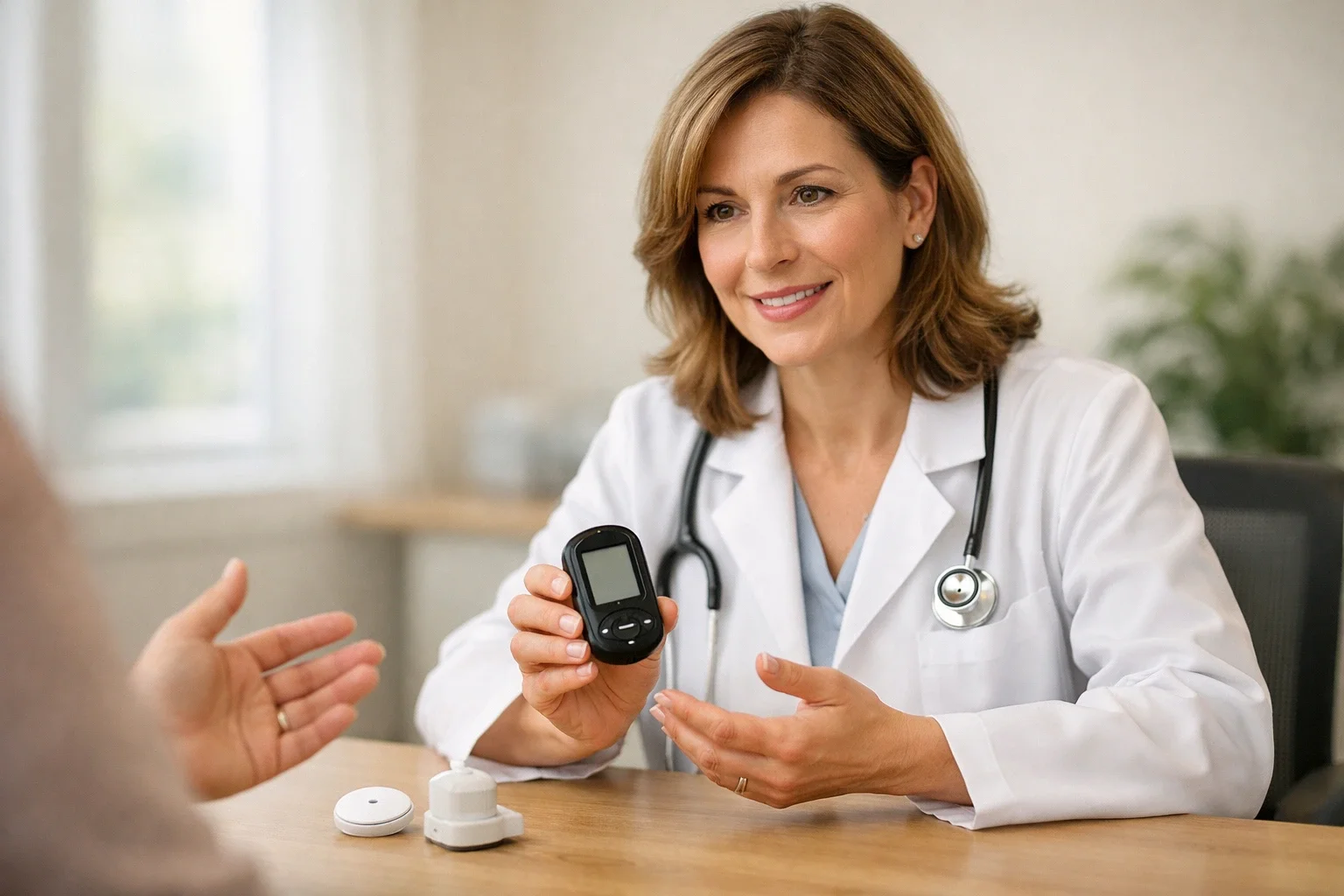
Classic Glucometer vs CGM Sensor - Two Different Monitoring Philosophies
In my office, the question «Do I need a CGM sensor or is a glucometer enough for me?» comes up almost daily. It's an excellent question, because the answer is not «one is better», but «it depends on your medical situation».
The classic glucometer and CGM sensor are not competitors - they are complementary instruments with different roles. In this article I will objectively explain when a glucometer is sufficient, when a CGM sensor is recommended, and when it's ideal to use both.
If you want to better understand how a CGM works, read What is a blood glucose sensor and how does it work.
How each method works - fundamental differences
Classic glucometer - a snapshot of blood glucose
A glucometer measures blood glucose from a drop of capillary blood, obtained by pricking your finger with a lancet. The drop is applied to a single-use test strip, and the result appears on the screen in 4-10 seconds.
Think of a glucometer as a photograph: you know exactly what your blood glucose is at that precise moment. But you don't know what happened before and you don't know what will happen after.
Glucometers available on PrimeMedical.ro: Accu-Chek Instant (by Roche, result in 4 seconds) and CodeFree (by Standard Diagnostics, budget-friendly). Compatible tests: Accu-Chek Instant Tests and CodeFree Tests.
CGM Sensor - a continuous film of blood glucose
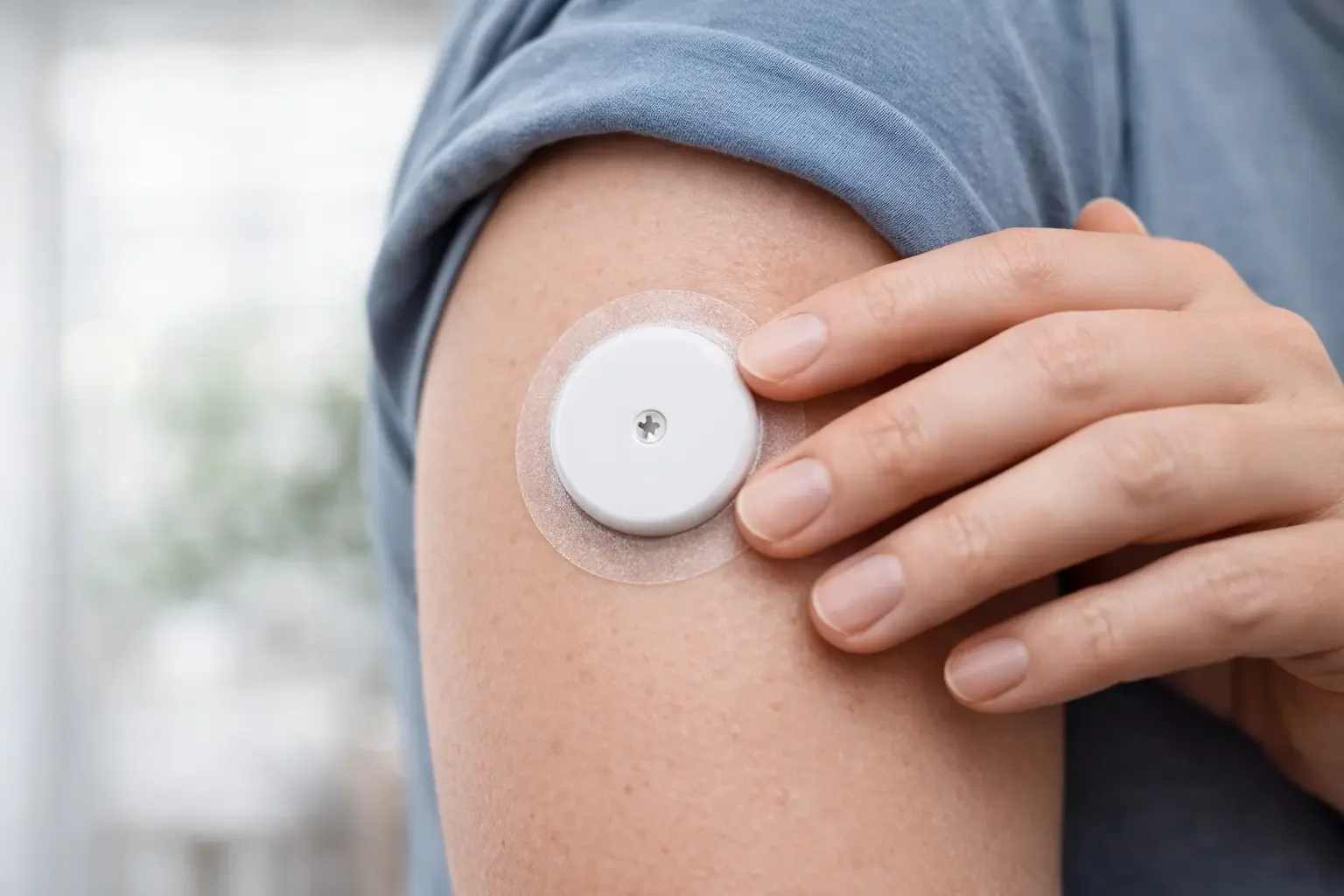
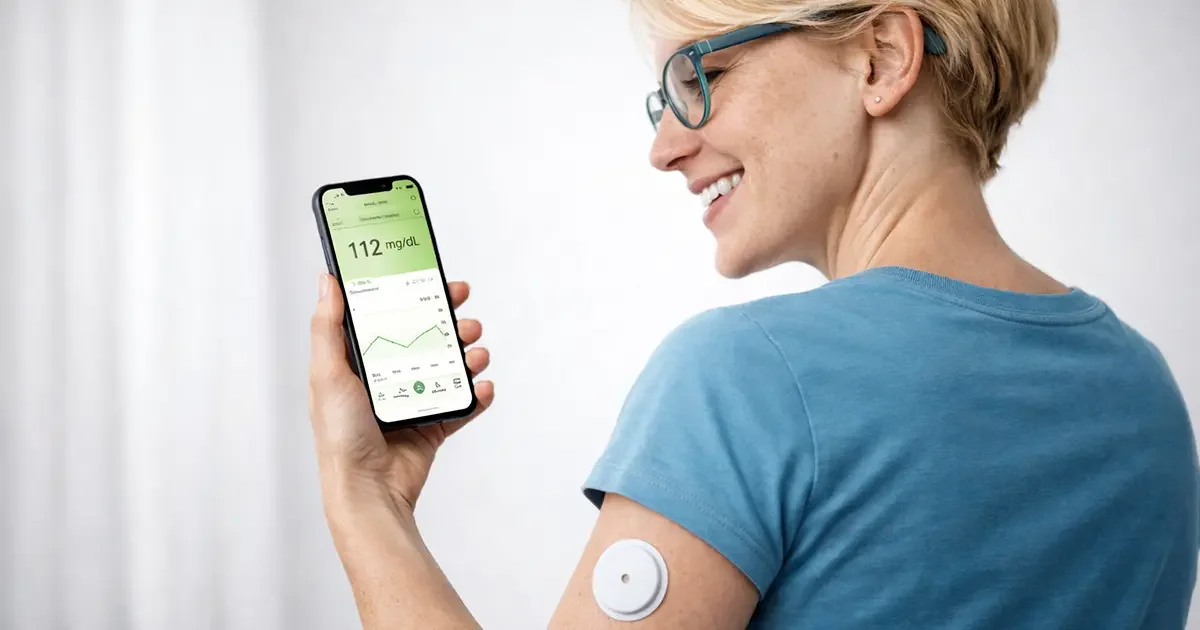
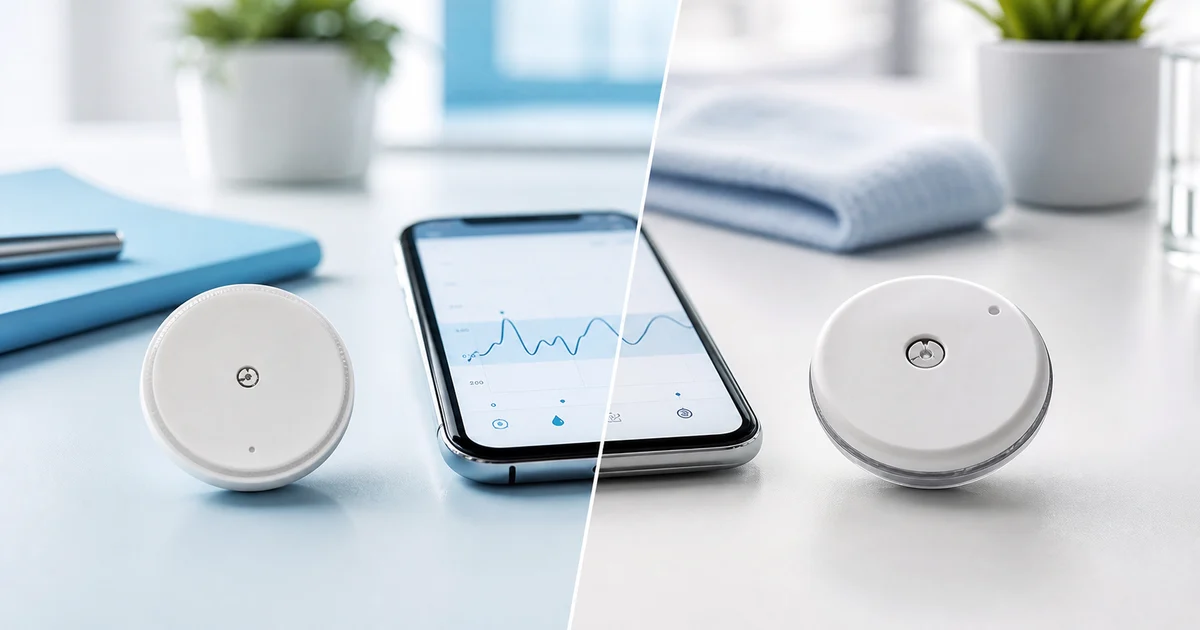
A CGM sensor is a small device applied to the skin that measures glucose in interstitial fluid every 1-5 minutes, non-stop, for 15 days. It transmits data via Bluetooth to your phone.
Think of CGM as a continuous film: you see not just the current value, but also trends, fluctuations, nocturnal episodes, the impact of food and exercise - a complete picture that no amount of finger pricks can provide.
Detailed comparison table
Criterion | Classic glucometer | CGM sensor |
|---|---|---|
Type of measurement | Spot (on demand) | Continuous (every 1-5 min) |
Finger prick | Yes, with each measurement | No (single application for 15 days) |
Number of measurements/day | 3-10 (typical) | 288+ (automatic) |
Trend visibility | No | Yes (graphs, directional arrows) |
Hypo/hyperglycemia alerts | No | Yes (configurable) |
Nocturnal monitoring | Practically impossible | Automatic, with alerts |
Initial cost | Low (glucometer 50-150 RON) | Medium (sensor from ~225 RON) |
Recurring cost (30 days) | ~96-192 RON (4-8 tests/day) | ~450-600 RON (2 sensors/month) |
Comfort | Discomfort with each prick | Single application, then painless for 15 days |
Data sharing with doctor | Manual (glucose diary) | Automatic (reports from app) |
When is a glucometer sufficient?
As a physician, I recommend the classic glucometer as the primary method in the following situations:
Type 2 diabetes controlled with diet and/or oral medications - if HbA1c is on target and there are no significant hypoglycemia risks, 2-4 measurements per day with a glucometer are sufficient.
Prediabetes or recently diagnosed diabetes - in the initial phase, the glucometer provides the necessary information without major costs.
Occasional checks - when your doctor recommends sporadic, not continuous monitoring.
Very limited budget - if CGM cost is not accessible, the glucometer remains a valid and important alternative. It's better to measure with a glucometer than not to measure at all.
As a complementary method to CGM - even CGM sensor users should have a glucometer on hand for spot checks (unusual symptoms, suspected incorrect reading).
Recommended glucometers: Accu-Chek Instant for maximum reliability (Roche), or CodeFree for reduced budget.
When is a CGM sensor recommended?
I recommend switching to a CGM sensor in the following situations, based on clinical guidelines and my experience:
Type 1 diabetes - continuous monitoring reduces HbA1c by 0.5-1.0% and decreases severe hypoglycemia episodes. Studies show clear and significant benefits. It is the standard recommendation in ADA and EASD guidelines.
Type 2 diabetes with intensive insulin therapy - especially if there are hypoglycemia episodes or large fluctuations. Also read CGM for type 2 diabetes: Is the investment worth it?
Nocturnal or unrecognized hypoglycemia - the sensor detects blood glucose drops that a glucometer cannot catch (you won't wake up to prick your finger at night).
Large blood glucose fluctuations (glycemic variability) - 4 spot measurements per day don't capture the real oscillations. 288 automatic CGM measurements provide the complete picture.
Pregnancy with gestational or pre-existing diabetes - continuous monitoring provides maximum safety during pregnancy.
Desire for active optimization - motivated patients who want to understand how each meal, exercise, and stress factor affects their blood glucose.
CGM options on PrimeMedical.ro: LinX CGM (the smallest, IP68), Sibionics GS1 (the most accurate), Sibionics GS3 (the thinnest), Accu-Chek SmartGuide (with predictive AI), Sinocare iCan i3 (price-to-quality ratio). Detailed comparison in Top 5 CGM sensors 2026.
Long-term cost analysis - real numbers
Cost is often the deciding factor, so let's compare figures over one month (30 days):
Glucometer - monthly cost
4 tests/day (minimum recommended type 1): 120 tests x ~0.8 RON = ~96 RON/month
6 tests/day (recommended type 1): 180 tests x ~0.8 RON = ~144 RON/month
8 tests/day (intensive): 240 tests x ~0.8 RON = ~192 RON/month
Plus: lancets (~20 RON/month) + disinfectant alcohol
CGM Sensor - monthly cost
LinX CGM: 2 sensors x ~225 RON = ~450 RON/month
Sibionics GS1: 2 sensors x ~240 RON = ~480 RON/month
Accu-Chek SmartGuide: 2 sensors x ~300 RON = ~600 RON/month
Yes, CGM is more expensive. But by providing 288+ automatic measurements per day (vs. 4-8 manual), hypoglycemia alerts, trends, and nocturnal monitoring, the value of the information is incomparably greater. Many patients tell me that switching to CGM has completely changed how they manage their diabetes.
Can I use both methods simultaneously?
Yes, and it's an approach I recommend. Use a CGM sensor as your primary monitoring method and a glucometer for:
Checks when you have unusual symptoms (dizziness, sweating) and the CGM value doesn't match what you feel
Emergency situations when your phone is not at hand
CGM sensor «warm-up» period (first 1-2 hours after application)
An Accu-Chek Instant glucometer with a set of Accu-Chek Instant tests is the ideal complement to any CGM sensor.
Final tips
The classic glucometer remains a valuable and accessible tool. The CGM sensor, however, completely transforms the monitoring experience, providing an amount of information impossible to obtain through spot measurements. In 2026, with CGM prices starting from ~225 RON per 15 days (~15 RON/day), continuous monitoring is increasingly within reach.
My recommendation: if you can afford it, switch to CGM - the benefits are substantial and scientifically documented. But don't completely abandon the glucometer - keep it as a complementary safety instrument.
Also read: Top 5 CGM sensors Romania 2026 | How to choose your first CGM sensor | How much does a CGM sensor cost in Romania