LinX CGM vs Sibionics GS1 - Two of the most popular CGM sensors in Romania
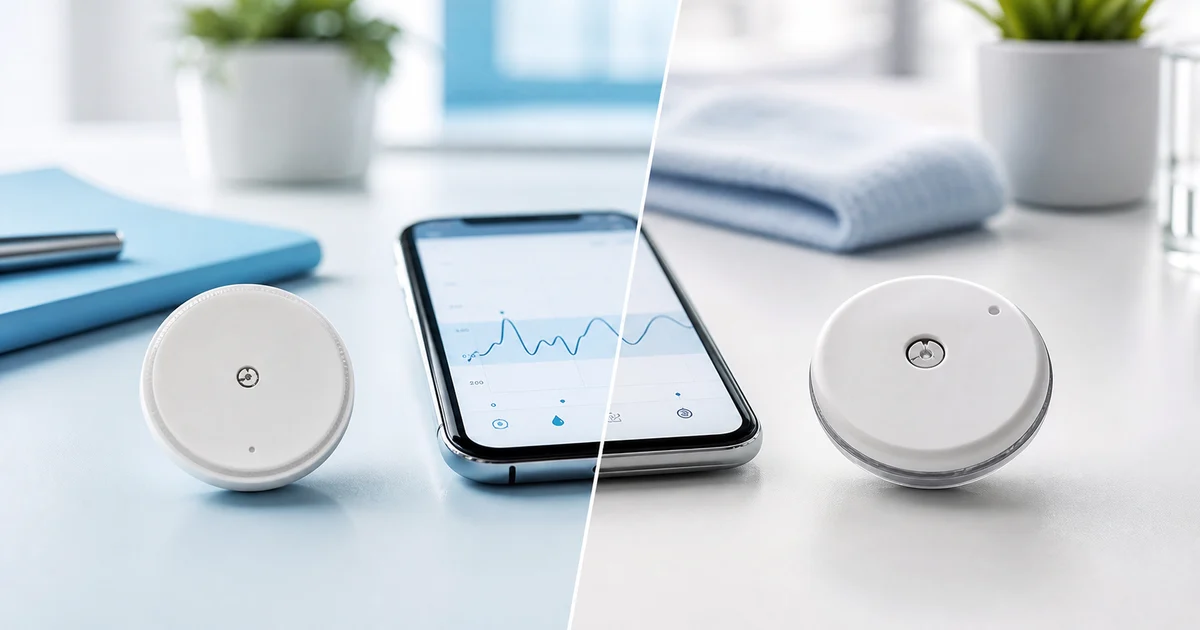
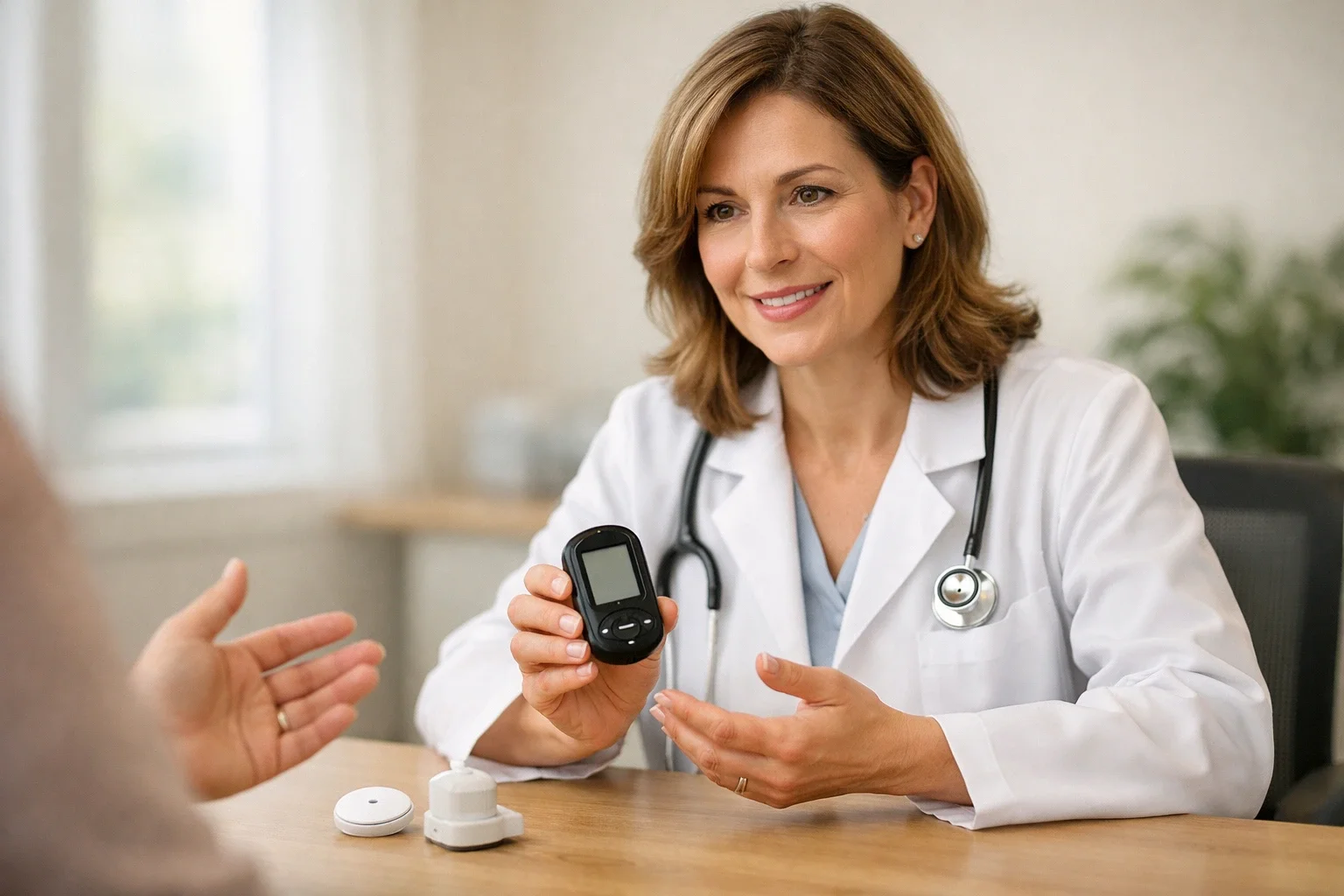
In my office, when a patient tells me they want to switch to continuous glucose monitoring but don't know which sensor to choose, the discussion almost always comes down to the same question: «LinX CGM or Sibionics GS1?». They are two of the best-selling CGM sensors in Romania, both at affordable prices, both with 14 days of battery life.
In this article I will analyze each specification in detail, with pros and cons arguments, to help you make an informed choice. If you want to see other options, check out Top 5 CGM sensors Romania 2026.
Comparison table LinX CGM vs Sibionics GS1
Specification | LinX CGM | Sibionics GS1 |
|---|---|---|
Manufacturer | MicroTech Medical (Hangzhou, China) | Sibionics (Shenzhen, China) |
Wear duration | 15 days | 14 days |
Accuracy (MARD) | 8.66% | 8.83% |
Size | 22 mm diameter, 4.2 mm thickness | Standard size (33.5 × 20 × 5.3 mm) |
Weight | 2.16 g | 3.84 g |
Water resistance | IP68 (submersion 1.5 m / 30 min) | IP28 (splashing) |
Calibration required | No | No |
Connectivity | Bluetooth | Bluetooth |
Certification | CE | EU MDR CE |
Global users | Growing | 600,000+ |
Launch year | 2023 | 2021 |
Size and wearing comfort - clear advantage LinX CGM
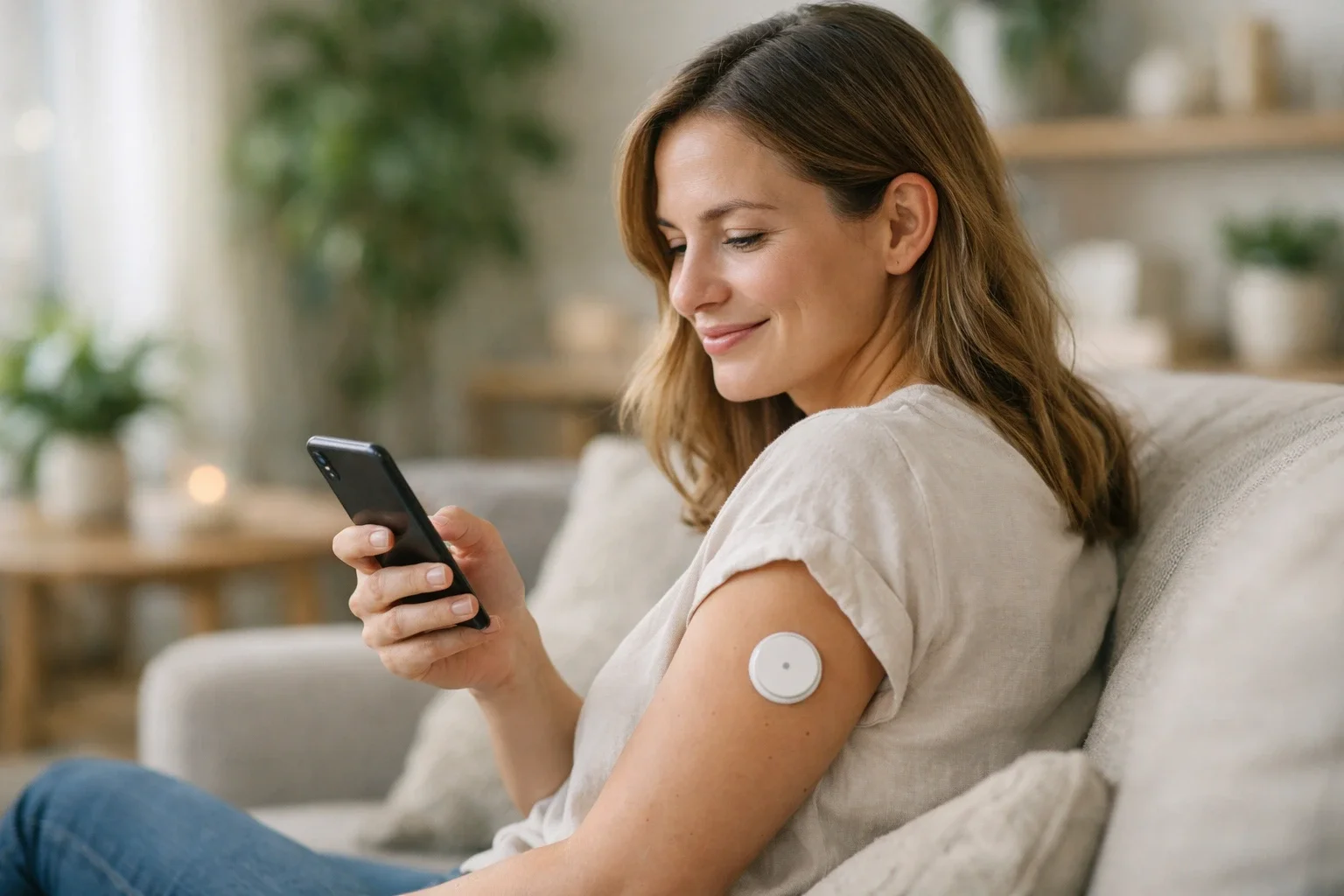
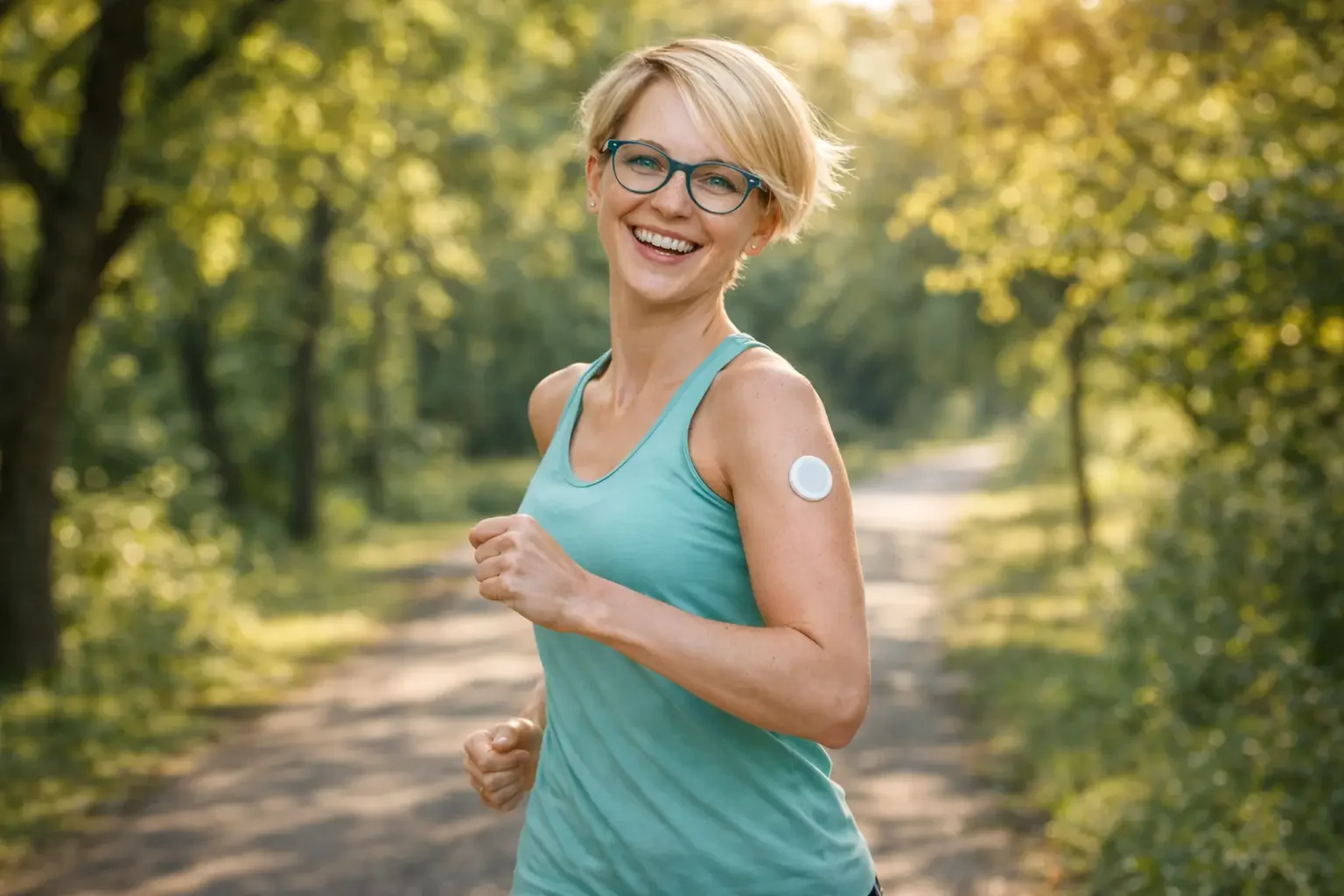
This is the most visible difference and the most frequently encountered in discussions with my patients. LinX CGM is the smallest CGM sensor in the world, with a diameter of just 22 mm and a thickness of 4.2 mm. It weighs only 2.16 grams - you practically don't feel it on your skin and it's invisible under any type of clothing.
To put it in perspective: 22 mm is about the diameter of a 50-cent coin. Sibionics GS1 has standard dimensions for a CGM sensor (approximately 35 mm diameter), which makes it visible on the skin, especially in summer or at the beach.
In clinical practice, I've observed that patients who give up on CGM often do so because of aesthetic discomfort - they are embarrassed to wear a visible device on their arm. LinX CGM solves this problem better than any other sensor on the market.
Size verdict: LinX CGM wins clearly. If discretion is important to you, it's the obvious choice.
Clinical accuracy - advantage Sibionics GS1
The accuracy of a CGM sensor is measured by the MARD (Mean Absolute Relative Difference) indicator. It is the most important technical parameter: the smaller the MARD, the closer the sensor measurements are to the actual blood glucose values.
Sibionics GS1 offers a MARD of 8.83% - one of the best values in the entire CGM industry. This value is supported by published clinical studies and EU MDR CE certification, the strictest European certification for medical devices.
LinX CGM has a MARD of 8.66%, which represents very good accuracy, but slightly lower than GS1.
In practice, the 0.3% MARD difference is mainly observable in extreme zones (hypoglycemia and marked hyperglycemia). For routine monitoring, both sensors offer excellent accuracy. But if you are a type 1 diabetic patient who depends on measurement accuracy for insulin dosing, every fraction of a percent matters.
Accuracy verdict: LinX CGM wins, with a small advantage (8.66% vs 8.83% MARD - lower MARD = more accurate), clinically significant advantage, especially for type 1 diabetic patients.
Water resistance - major advantage LinX CGM
This is the second major difference and can be decisive for many users.
LinX CGM has IP68 rating, which means it can be submerged up to 1.5 meters depth for 30 minutes. You can take long showers, swim in a pool or in the sea, exercise in the rain - without any worry.
Sibionics GS1 has IP28 rating, which means resistance to direct splashing (for example, during a short shower). It is not recommended for submersion or swimming. Many users use an additional protective patch to protect it during showers.
I have patients who practice therapeutic swimming or aquagym as part of their diabetes management program. For these patients, LinX CGM is the only viable option from this comparison.
Water resistance verdict: LinX CGM wins decisively. IP68 vs IP28 is a substantial difference.
Mobile app and digital ecosystem
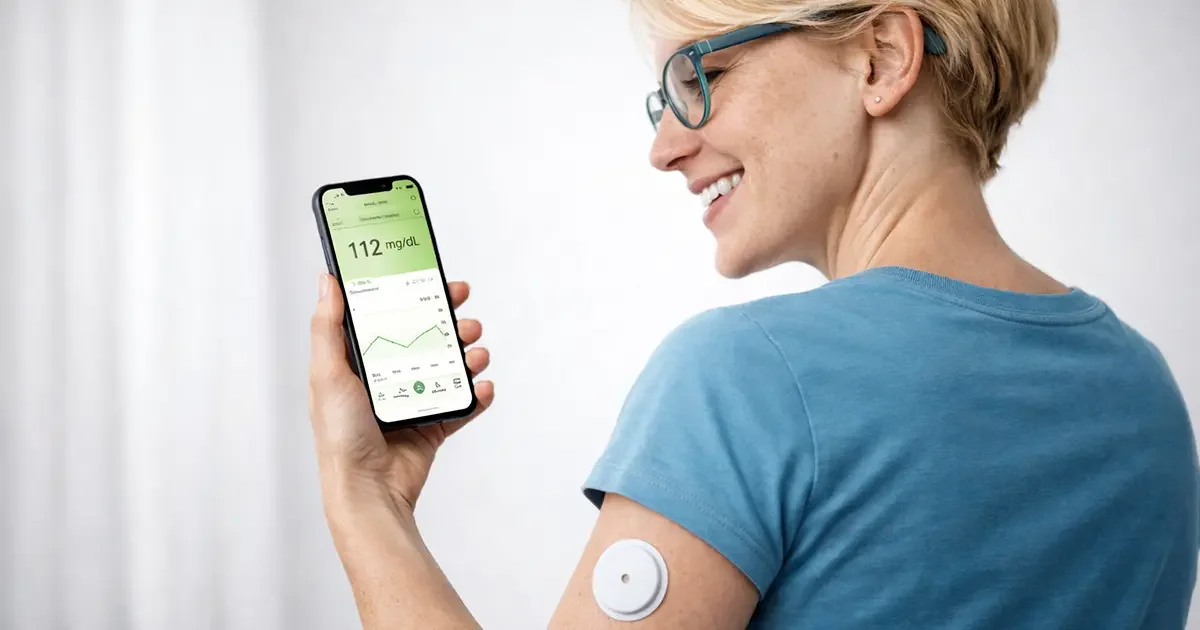
Both sensors transmit real-time data via Bluetooth to the dedicated app on your smartphone. But the digital experience differs.
Sibionics has the advantage of a more mature app, refined over more than 4 years of feedback from 600,000+ users. The interface is intuitive, reports are detailed and there are advanced features such as sharing data with your doctor or family members.
LinX CGM (MicroTech app) is functional and reliable, but with a younger ecosystem. It offers all essential functions - real-time graphs, configurable alerts, history - but not at the same level of refinement as Sibionics.
Digital ecosystem verdict: Sibionics GS1 has a slight advantage due to app maturity and community size.
Certification and clinical validation
Sibionics GS1 holds EU MDR CE certification - the highest European standard for medical devices. This certification involves rigorous clinical studies, quality management system and post-market surveillance.
LinX CGM holds CE certification, which is a valid European standard but less strict than EU MDR CE.
In practice, both certificates confirm that the products are safe and effective. But if you or your doctor place emphasis on the level of clinical validation, GS1 has an advantage.
Price and availability
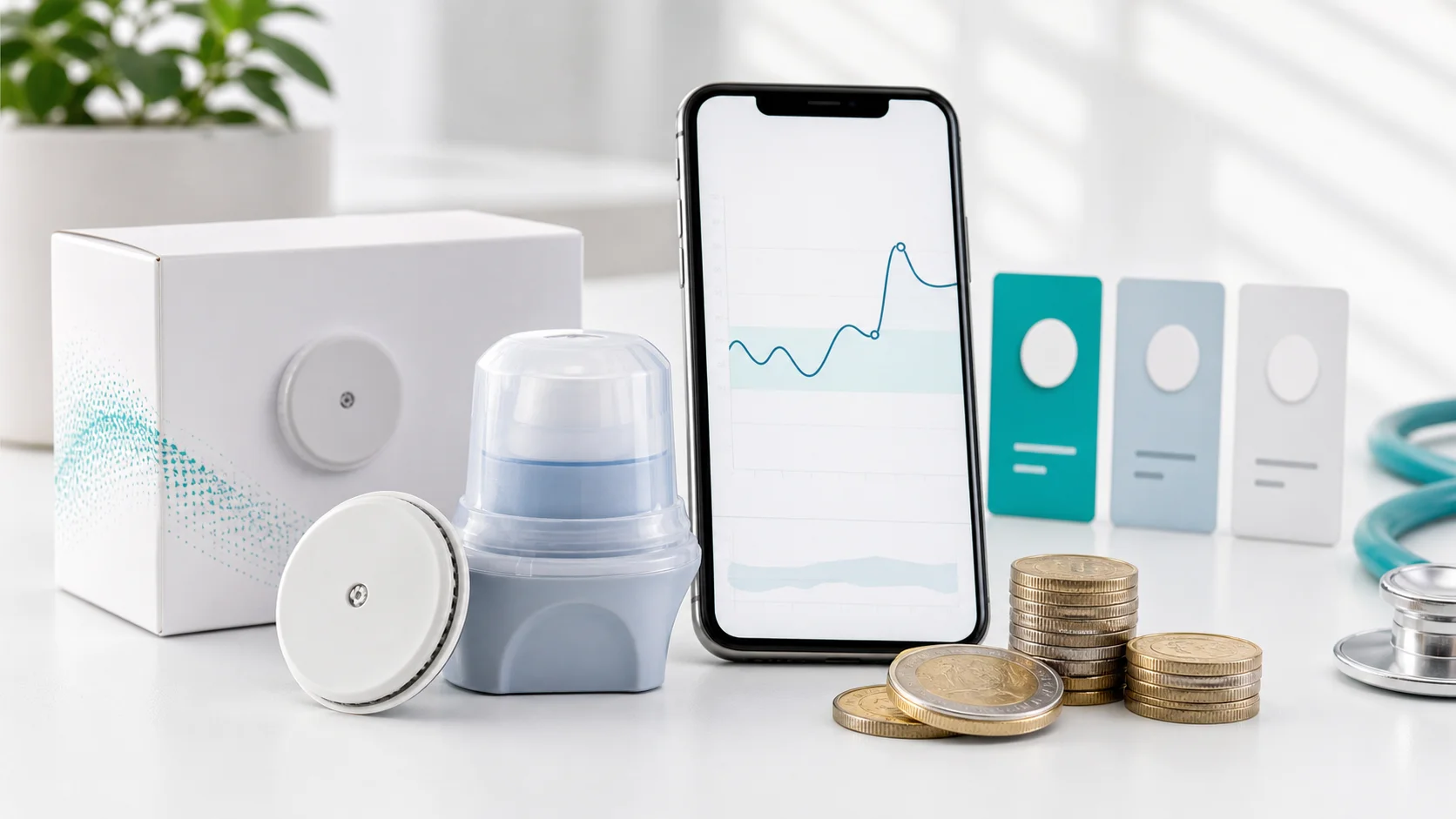
Both sensors are available on PrimeMedical.ro at affordable prices. LinX CGM tends to be slightly more affordable in price, while Sibionics GS1 is positioned at a comparable price. The difference is small and should not be the deciding factor.
Both sensors benefit from subscription options with recurring delivery and discounted packages. For details on costs, see How much does a CGM sensor cost in Romania.
Final tips - Which sensor to choose?
After years of experience with both sensors and feedback from hundreds of patients, here are my concrete recommendations:
Choose LinX CGM if:
You want the smallest and most discreet sensor possible - ideal for summer, at the beach, under thin clothes
You practice swimming, aquagym or water sports (IP68 - only viable option)
You are at your first CGM sensor and want the most affordable price
Aesthetics and physical comfort are priorities
Choose Sibionics GS1 if:
Maximum EU MDR CE certification and large user community matter to you - ideal for type 1 diabetes)
You want a sensor with EU MDR CE certification and extensive clinical studies
You prefer a mature app ecosystem and a large user community
You don't need water submersion resistance
Both are excellent sensors, and there is no "wrong" choice between them. Some of my patients even alternate between the two, depending on the season (LinX CGM in summer, GS1 in winter).
Also see: Sibionics GS1 vs GS3 - What are the differences? | How to choose your first CGM sensor | Complete CGM sensors guide