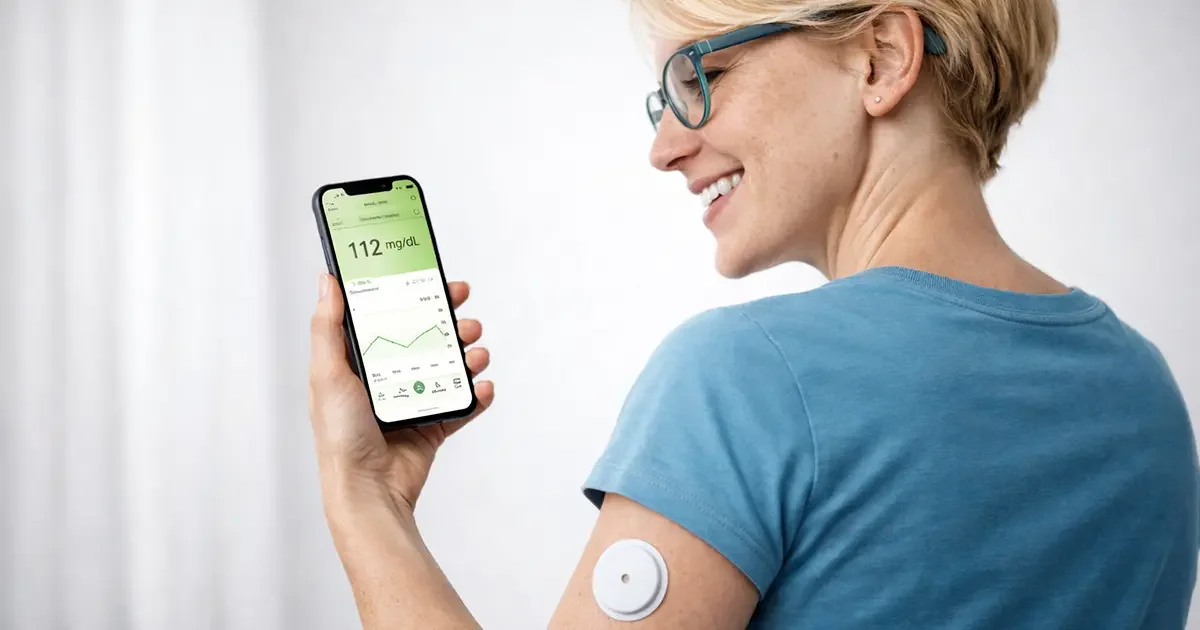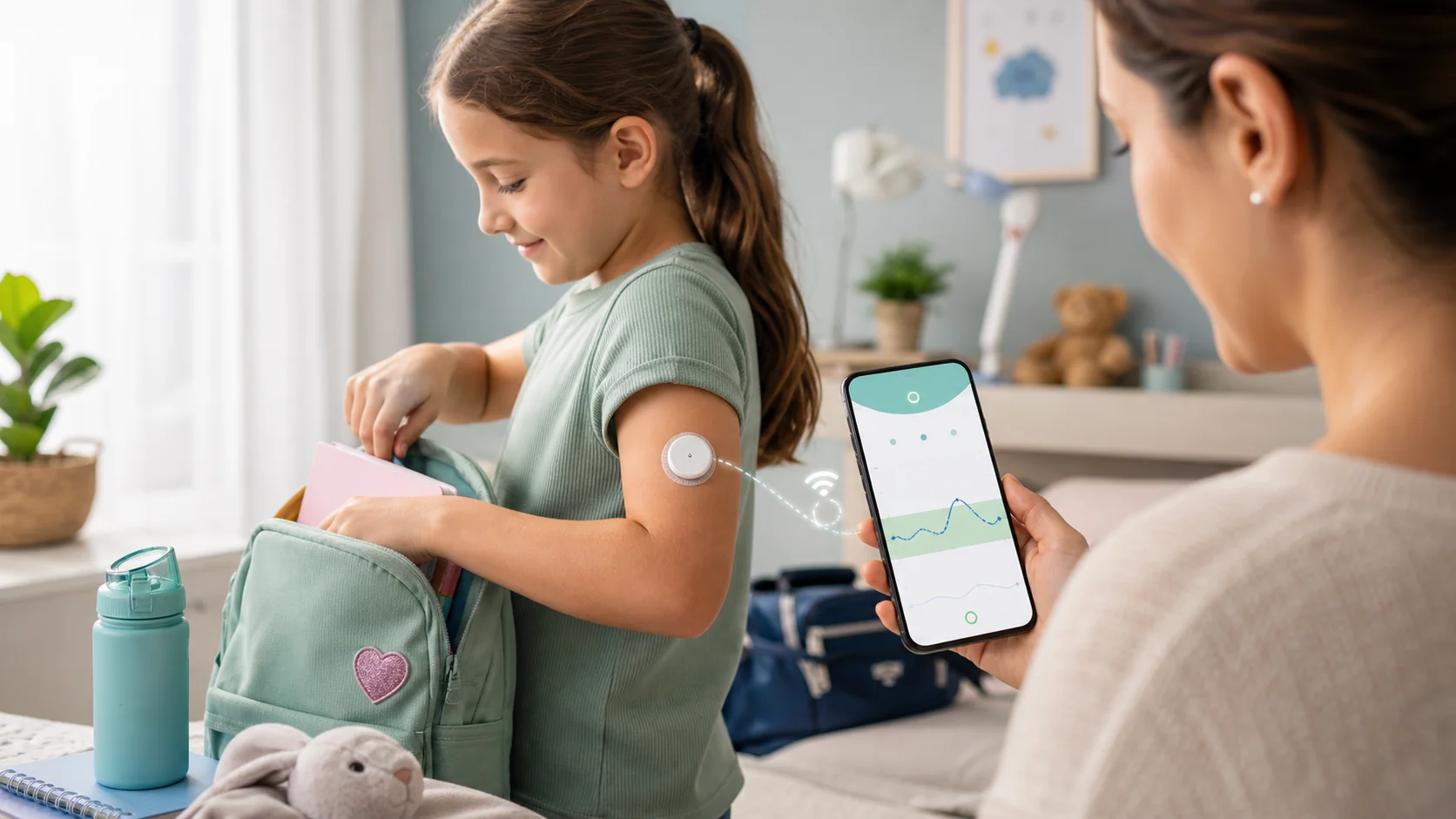
CGM sensor for children - a revolution in pediatric diabetes
A diabetes diagnosis changes the whole family’s routine. A CGM sensor for children tracks interstitial glucose and can reduce finger-prick checks, but it does not remove every need for a blood glucose meter. Application introduces a filament beneath the skin; sensation and tolerance vary.
Choose the system with the paediatric diabetes team. Alongside device indications, consider who follows the data, who responds to alerts and how the sensor fits into the child’s life. A suitable device, training and ongoing support matter more than promises of worry-free use.
From what age can children use a CGM sensor?
Minimum age depends on the model, version and market. A device indicated from age 2 does not make every sensor suitable from that age, or automatically extend the indication to another edition with the same name. Check the instructions for the product actually supplied before buying.
ADA recommends offering CGM at diagnosis or as soon as possible to children and adolescents who can use it safely themselves or with caregivers. This care recommendation does not extend a product’s age indication. Decisions for infants or use outside an indication require specialist medical care.
How the CGM sensor works in children
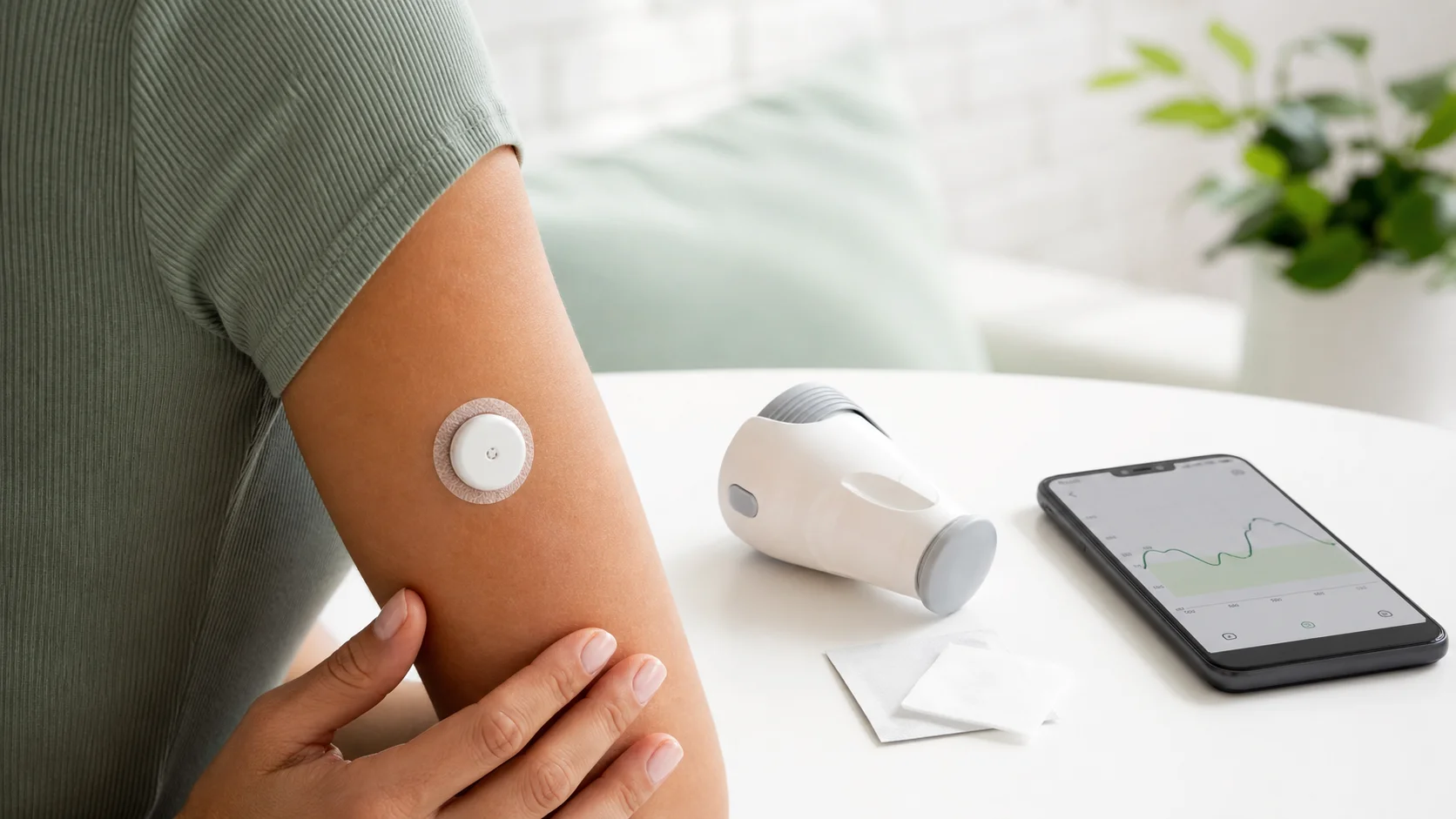
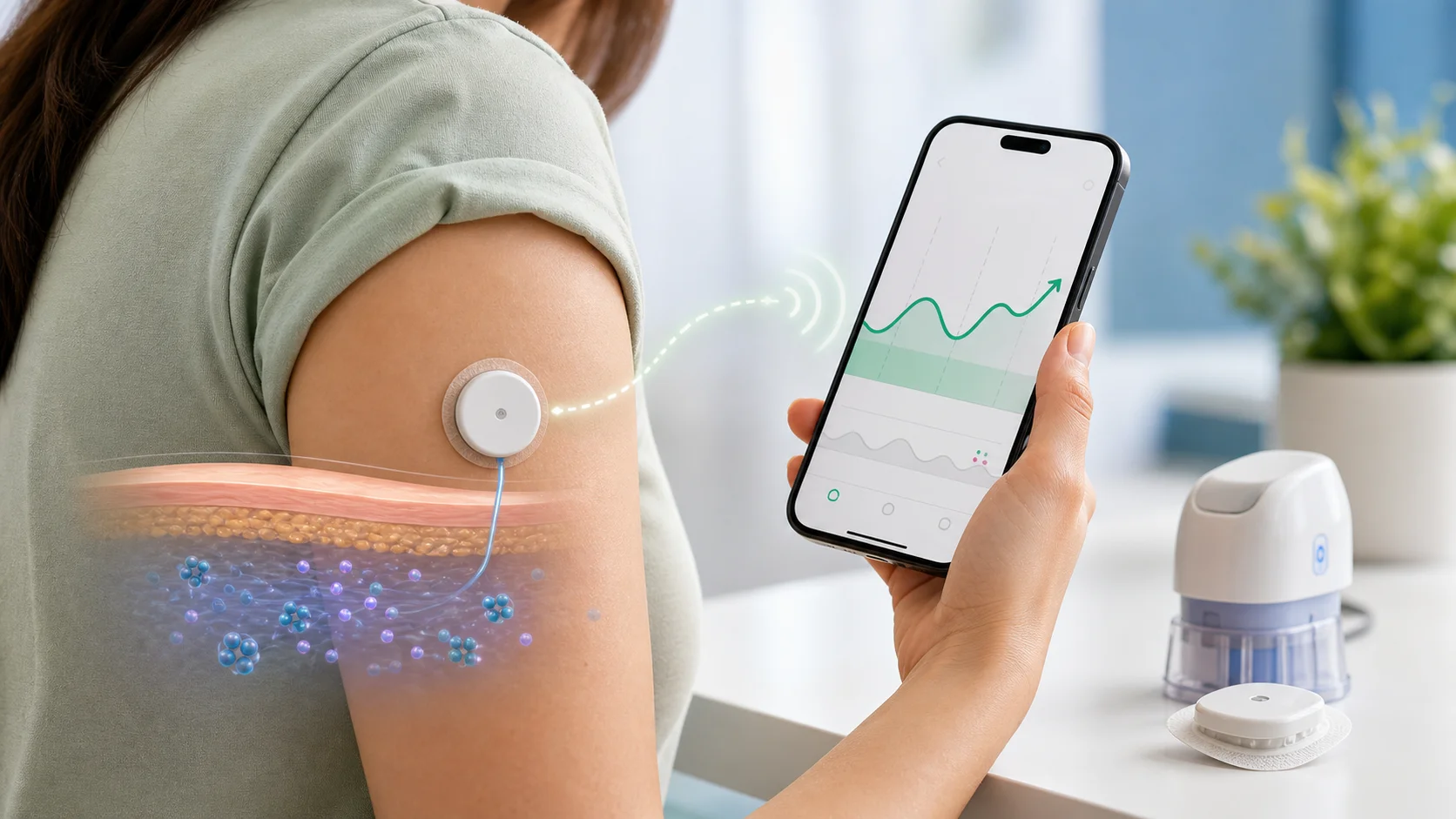
The operating principle is identical to that in adults: a thin filament is inserted under the skin, measures glucose from interstitial fluid and transmits data wirelessly to a phone or reader. The difference in children consists of a few practical aspects:
Application site in children
Application sites are model-specific and may also depend on age. Do not automatically choose the buttock, abdomen or thigh because the arm seems thin or another child wears a different sensor there. The diabetes team and the supplied version’s instructions should establish the appropriate site.
Within an approved area, avoid damaged or irritated skin and scars, and follow instructions concerning insulin injection sites. Consider clothes, sleeping position and the child’s activities. Rotate insertion points as instructed and ask for a demonstration when the applicator is new to the family.
Sensor size
Size and shape differ between models; compare the product’s own specifications rather than a generic size range. Adhesive, applicator, approved site and protection without pressure also matter for a child.
Some children adapt quickly; others need more time. Persistent discomfort should not be treated as inevitable: discuss skin, placement and material tolerance with the healthcare team.
Benefits of CGM for children with diabetes
Hypoglycemia alarms - nighttime safety
Hypoglycaemia can occur during sleep, and symptoms may not be noticed. A CGM with alerts can signal a low reading or trend within its available functions. Not every model has predictive alerts or the same sharing options.
Agree thresholds and responses with the healthcare team. Check connection, app permissions, volume and the responsible person’s phone; no alert does not rule out a low. Follow meter-check instructions when indicated.
If the person cannot swallow safely, is unconscious or has seizures, do not give food or fluids by mouth; follow the emergency plan and call 112. Family and school staff need training for these situations.
School management
At school, a sensor supports a care plan rather than replacing it. Agree who can view data, who assists the child and how the family is contacted. Check whether sharing is available and which connections it needs; remote viewing is not guaranteed if a phone loses battery or internet access.
The child needs access to the required phone or receiver, a meter and the supplies specified in the care plan. Teachers and school staff need clear instructions for activity, meals, alerts and emergencies, with appropriate data privacy.
HbA1c improvement
CGM can support glucose goals when data are used alongside education and treatment. Outcomes depend on the child, device, use and clinical context; a fixed HbA1c reduction cannot be promised to every family.
The clinician considers HbA1c together with time in range, time below range and the burden of care. Goals are individualized and reassessed, rather than pursuing a number at the expense of hypoglycaemia or excessive anxiety.
Child autonomy
Responsibilities shift gradually according to the child’s abilities and the healthcare team’s advice, not a fixed age. At first a child may recognize an alert and ask for help; later they can learn to read data and perform care tasks with supervision.
Interpreting trends and making treatment decisions require training. The child should not feel solely responsible for the numbers or regard an out-of-range result as a personal failure.
Specific challenges in children
Fear of application
Application may cause a brief pricking sensation, and fear and sensitivity vary. Explain the steps without promising that it cannot hurt. Prepare supplies first and choose a time when the child and adult are not rushed.
Distraction, counting together or helping with a simple step may help. Do not require self-application at a particular age. Use anaesthetic or skin-preparation products only on medical or pharmacist advice and when compatible with sensor instructions.
Listen to what is troubling the child and discuss persistent fear with the care team. A predictable routine and calm support are more useful than dismissing discomfort.
Intense physical activity
Play and sport are part of a child’s life. Protect the sensor as instructed without moving it to an unapproved site. A suitable patch or accessory may support adhesion but should not press on the sensor or irritate skin.
For swimming, check the model’s water and connection limits. The activity care plan should cover checks, supplies and who helps the child if symptoms or alerts occur.
Sensitive skin and adhesive allergies
Adhesive or device materials can cause irritation or contact dermatitis. Seek advice for persistent redness, itching, blisters or pain; do not simply cover a reaction with another patch.
Rotate points within approved sites and follow the manual’s skin-preparation and removal instructions. Barrier products and extra adhesives are not interchangeable and can themselves cause reactions. Choices are individual; dermatological assessment or a different material or system may be needed.
CGM and type 1 diabetes in children
CGM is an important option in caring for children with type 1 diabetes. ADA and ISPAD guidance supports early access, family education and a system suited to the child. Apply the care recommendation alongside the device’s age indication and a safe-use plan.
An automated insulin delivery system combines a compatible sensor, pump and algorithm. Wearing both CGM and a pump does not automatically make them a closed-loop system. Check compatibility, training and the tasks that remain with the user for the prescribed system.
How to choose the right CGM sensor for your child
When choosing a CGM sensor for your child, consider:
Minimum approved age - verify that the model is approved for your child's age.
Duration of use - a 14-day sensor means fewer changes and less stress for the child compared to a 7-day one.
Alarm system: compare the model’s and app’s available functions with the child’s needs. Agree thresholds and responsibilities with the care team; predictive alerts are a feature of particular systems, not a universal requirement.
Share/tracking function - the ability for parents and grandparents to see blood glucose in real time on their own phones. This is crucial for school hours and periods when the child is in someone else's care.
Size and comfort - a smaller and thinner sensor is preferred in children.
Explore continuous monitoring options without pricks to find the solution that fits your family's needs.
Conversations with your child about the sensor
The way you talk to your child about the sensor influences their attitude:
Normalize - "This is your special tool that helps you stay healthy, just like glasses help someone see better."
Use positive language: explain that the sensor helps follow glucose during play and other activities. Avoid promising that every worry disappears and listen to how the child feels.
Encourage questions: try “The sensor helps us follow glucose and know when to check more closely.” Adapt the explanation to age without asking the child to handle alerts alone.
Listen to complaints - if your child complains about the sensor, don't minimize it. Validate the feeling and find solutions together.
When to discuss CGM with your child's doctor
If your child was recently diagnosed with diabetes or if current management is not optimal, discuss with your pediatric diabetologist the possibility of introducing a CGM sensor. Here are the situations where CGM is most indicated:
HbA1c above target, frequent hypoglycemic episodes (especially nocturnal), large glucose variability that affects daily activities, anxiety related to diabetes in the child or parents, the child wants more independence in managing diabetes, or transition to an insulin pump is planned.
In all these cases, the data provided by a CGM sensor will help the medical team make better, faster and more personalized decisions for your child. Investment in continuous monitoring is a direct investment in your child's long-term health and happiness.